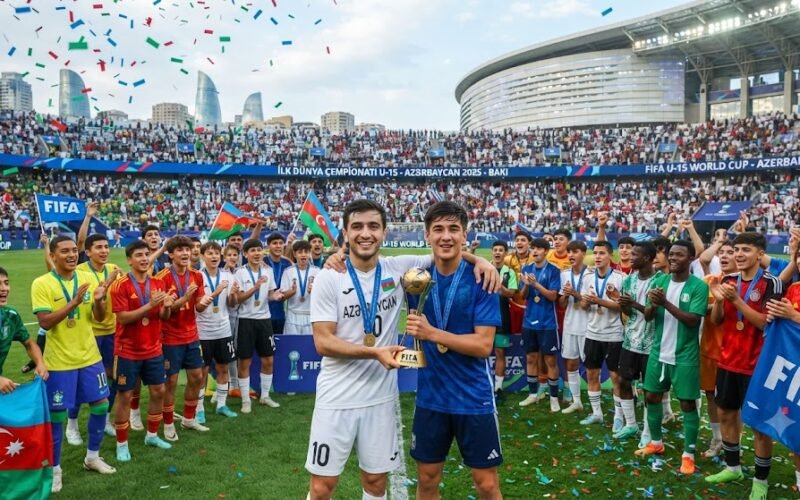
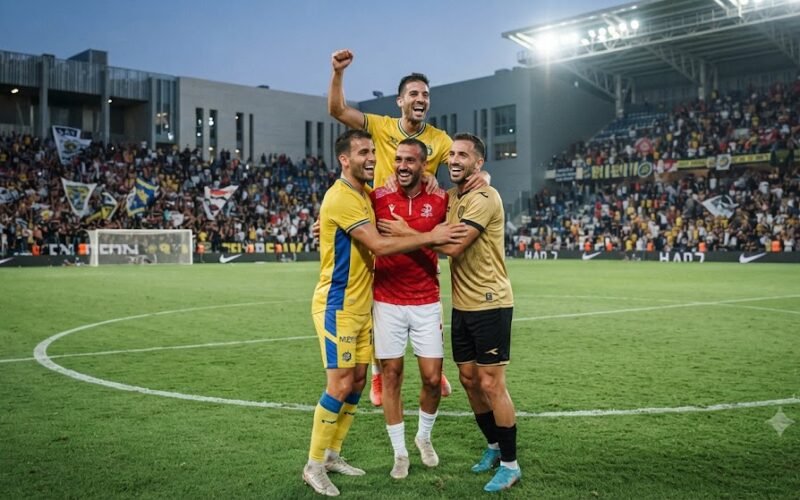
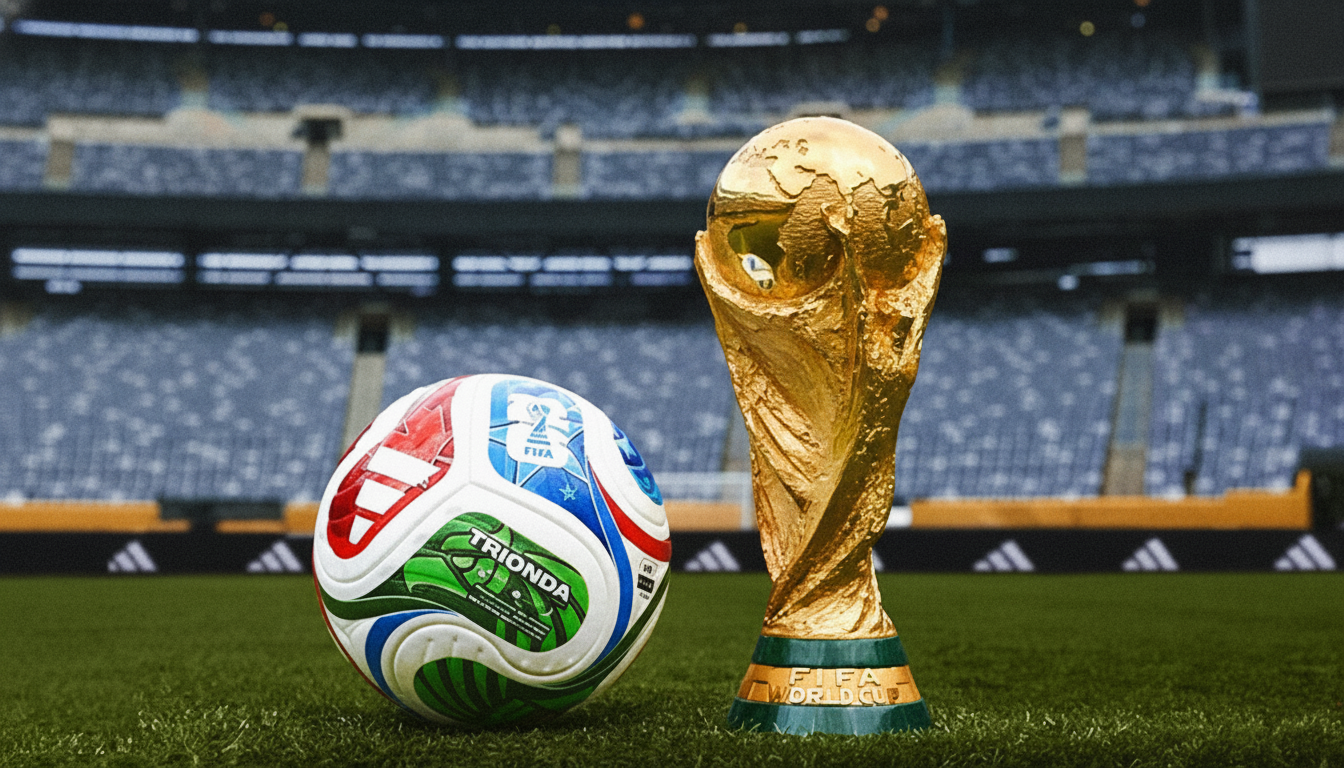
Football is not just a sport, but a powerful tool for uniting people and cultures. In a world where intercultural dialogue is becoming particularly important, football serves as a platform for interaction among various nationalities and religions. In the context of the Jewish community in Azerbaijan, football can act as a means of strengthening connections, forming identity, and promoting values of tolerance.
On our portal, we cover not only sporting events but also how football influences social and cultural processes. Important matches, tournaments, and initiatives aimed at developing football culture among youth become topics for discussion and analysis. Football helps us better understand how sport can contribute to peace and friendship among nations, which is especially relevant in our time.
The Israeli Embassy in Azerbaijan has congratulated Azerbaijani footballer Rufat Abdullazada after he scored his first goal for Hapoel Ironi Kiryat Shmona.
Football club Qarabag has begun negotiations with head coach Gurban Gurbanov to extend their cooperation. The current agreement of the 52-year-old specialist…
📅 June 29, 2026, 16:29
Football: Concept and Significance
Football, as one of the most popular sports in the world, represents not only a sporting competition but also a cultural phenomenon that unites millions of people. It is a game that transcends borders, bringing together different cultures and nations, creating a unique platform for intercultural dialogue. In the context of the Jewish community in Azerbaijan, football becomes not only a means of physical activity but also an important element of social integration and cultural identity.
History of Football
Football has a long and rich history, rooted in ancient civilizations. The earliest mentions of a similar game can be found in China, Greece, and Rome. However, modern football, as we know it, began to take shape in England in the 19th century. In 1863, the Football Association was established, which set the rules of the game and led to the creation of the first professional clubs.
Since then, football has become an integral part of world culture. It has spread across the globe, with each country bringing its unique traditions and styles to the game. It is important to note that the Jewish community has also played a significant role in the development of football culture. Many Jewish athletes and coaches have contributed to the growth of this sport, both at the local league level and on the international stage.
Football and Jewish Culture
Football holds special significance in Jewish culture. In various countries where the Jewish community resides, football has become a means of bringing people together, creating friendships, and supporting cultural identity. In Azerbaijan, the Jewish community actively participates in the country's sports life, and football is no exception.
Social Integration: Football promotes the integration of the Jewish community into society, allowing interaction with representatives of other cultures and nationalities.
Identity Formation: Participation in sporting events helps preserve cultural traditions and strengthen ties to history.
Youth Support: Football provides young people with the opportunity to develop their skills, find like-minded individuals, and build careers in sports.
Football as a Means of Intercultural Dialogue
Football plays an important role in intercultural dialogue, fostering understanding and respect among different peoples. In the context of globalization and cultural diversity, football becomes a platform for exchanging ideas and values. In Azerbaijan, where various ethnic and religious groups coexist, football can serve as a tool for strengthening ties and mutual understanding.
Important football tournaments, such as the World Cup and continental championships, gather teams from different countries, creating a unique atmosphere of unity and cooperation. The Jewish community in Azerbaijan also actively supports the participation of its representatives in such events, contributing to the strengthening of local identity and solidarity.
Modern Trends in Football
Modern football continues to evolve, incorporating new technologies and trends. In recent years, there has been a growing interest in social initiatives in football aimed at supporting various communities, including minorities and vulnerable groups. This opens up new opportunities for the Jewish community in Azerbaijan to use football as a means to combat prejudice and stereotypes.
Inclusivity: Modern initiatives aim to create an inclusive environment for all, regardless of their background or cultural affiliation.
Education and Awareness: Football can be used as a tool for educational programs aimed at raising awareness of cultural differences and the importance of respect.
Environmental Initiatives: Modern clubs are increasingly addressing environmental issues, which also concerns Jewish communities striving for sustainable development.
Football in Azerbaijan
Football in Azerbaijan has its unique features and characteristics. The country actively develops football infrastructure, and there are various leagues and tournaments at the local level. The Jewish community participates in these competitions, demonstrating its active position in the country's sports life.
Clubs representing the Jewish community play an important role in popularizing football among youth, contributing to the development of both sports and social skills. This creates opportunities for young people to not only engage in sports but also find friends, develop leadership qualities, and learn to work in a team.
Conclusion
Football, as a concept, represents a powerful tool for uniting people and creating sustainable connections between different cultures. In the context of the Jewish community in Azerbaijan, football becomes not only a sport but also a symbol of identity, integration, and intercultural dialogue. It is important to continue developing this sport and to harness its potential for achieving greater understanding and respect among different peoples and cultures.
Thus, football is not just a game, but an important element of social life that can significantly influence society, fostering mutual understanding and integration. Every event, every game is an opportunity to strengthen ties, create friendships, and form a united community that respects the traditions and values of all its members.