
World
US and Iran exchange strikes: Middle East conflict escalates
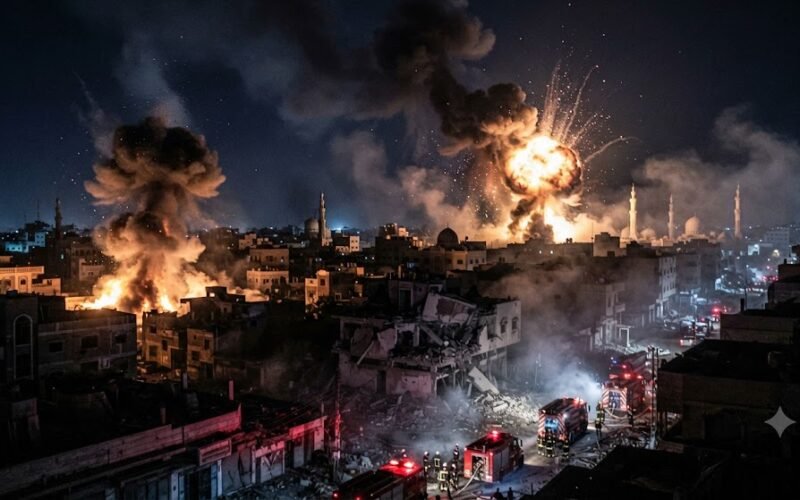
During overnight and early morning hours, military confrontation between the US and Iran has entered a new, larger-scale phase.
📅 July 13, 2026, 09:55
US Iran conflict: tensions, sanctions, and regional implications affecting Middle East stability and international relations. Coverage of diplomatic disputes and security concerns.
During overnight and early morning hours, military confrontation between the US and Iran has entered a new, larger-scale phase.
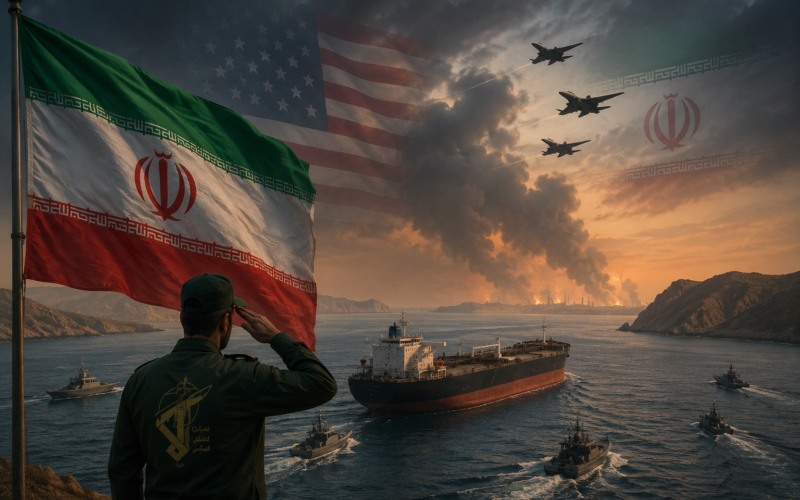
The Islamic Revolutionary Guard Corps (IRGC) has announced the closure of the Strait of Hormuz for an indefinite period following strikes on…
The relationship between the United States and Iran has been marked by profound tension since the 1979 Islamic Revolution, rooted in geopolitical competition, ideological differences, and disputes over nuclear ambitions. This long-standing conflict encompasses economic sanctions, diplomatic standoffs, military posturing, and proxy engagements across the Middle East, shaping regional security dynamics and international policy.
The conflict carries significant implications for global stability, energy markets, and international law. Key points of contention include Iran's nuclear program, its support for non-state actors, ballistic missile development, and competing visions for regional influence. The tensions directly affect neighboring countries, including Israel and Gulf states, and influence broader US Middle East strategy.
JNews.az tracks developments in US-Iran relations, examining how these dynamics impact the Middle East region, international diplomacy, and Jewish and Israeli interests. This section covers sanctions regimes, nuclear negotiations, military incidents, and statements from US and Iranian leadership, providing context for understanding one of the most consequential geopolitical rivalries of our time.