
World
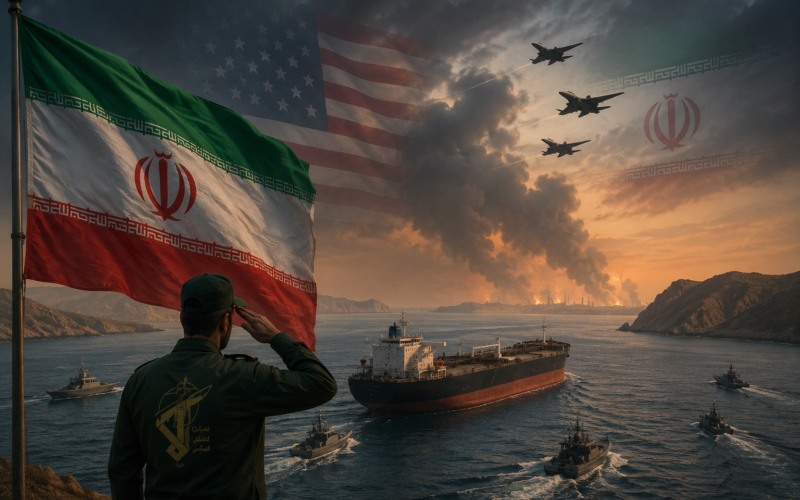
IRGC closes Strait of Hormuz: US-Iran tensions deepen
The Islamic Revolutionary Guard Corps (IRGC) has announced the closure of the Strait of Hormuz for an indefinite period following strikes on…
📅 July 9, 2026, 12:40
Qatar mediation efforts in Middle Eastern conflicts, particularly Israeli-Palestinian negotiations and regional peace initiatives. Coverage of Doha’s diplomatic role and geopolitical influence.
The Islamic Revolutionary Guard Corps (IRGC) has announced the closure of the Strait of Hormuz for an indefinite period following strikes on…
Qatar has emerged as a significant diplomatic mediator in Middle Eastern conflicts, particularly in Israeli-Palestinian disputes and regional peace processes. As a wealthy Gulf state with historical ties to multiple actors, Doha has hosted numerous negotiations and peace talks aimed at resolving longstanding tensions. The country's mediation efforts reflect its broader foreign policy objective of positioning itself as a neutral broker in regional affairs.
Qatar's role in mediation has encompassed ceasefire negotiations, hostage release agreements, and facilitation of dialogue between adversarial parties. The nation has maintained diplomatic channels with Israel, Palestinian authorities, and other regional actors, leveraging its economic resources and relative independence in regional politics. These efforts have made Qatar a key player in attempts to de-escalate conflicts and pursue diplomatic solutions.
In this section, readers will find in-depth reporting on Qatar's mediation initiatives, their outcomes, and the broader implications for regional stability. Coverage includes analysis of Doha's diplomatic strategies, the challenges it faces as a mediator, and how its efforts intersect with international peace efforts and the interests of multiple regional and global stakeholders.