Day of mourning
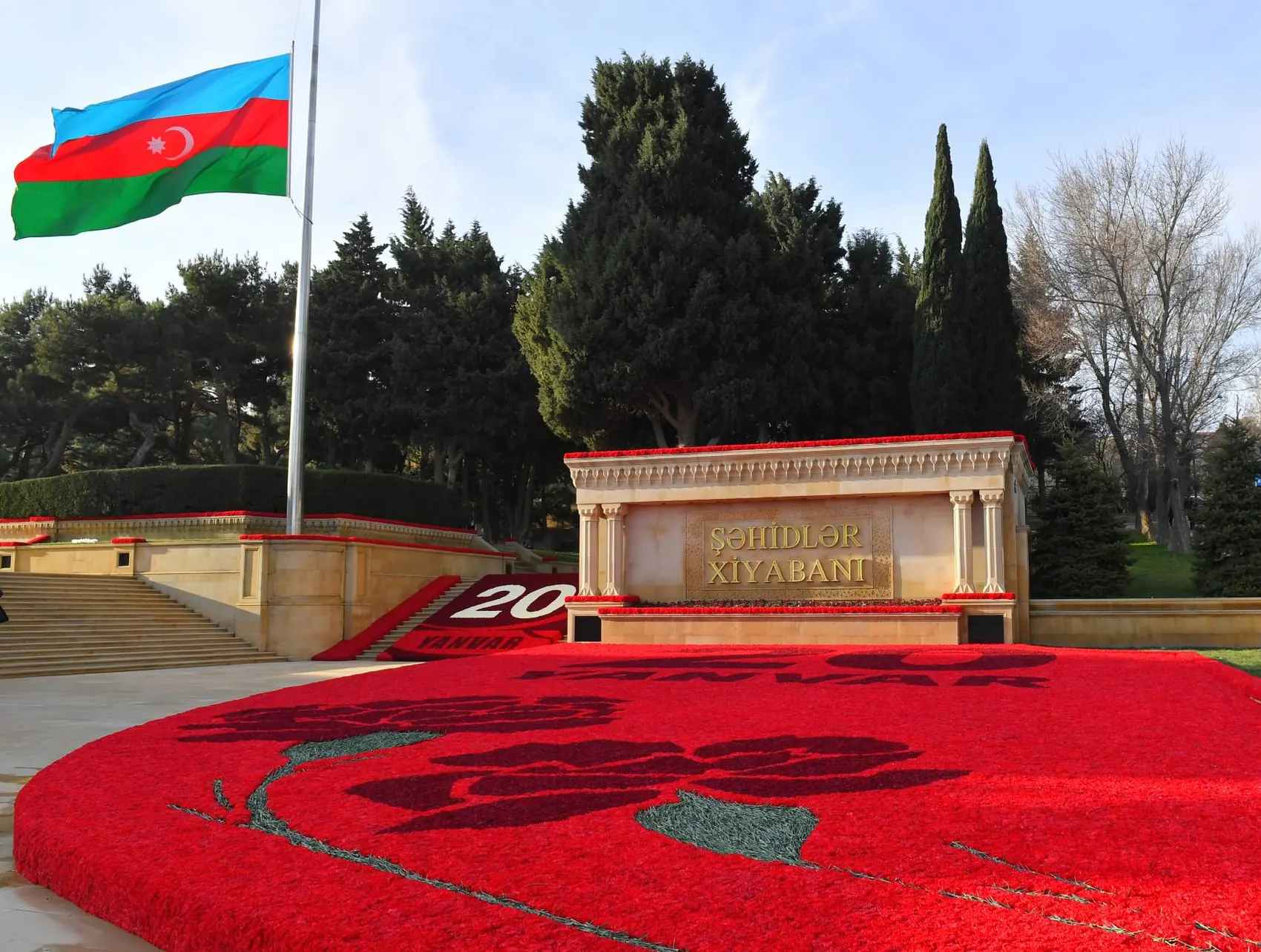
Every year on 20 January the country stops: flags at half-mast, red carnations and a queue to the Alley of Martyrs from early morning.
How the day passes
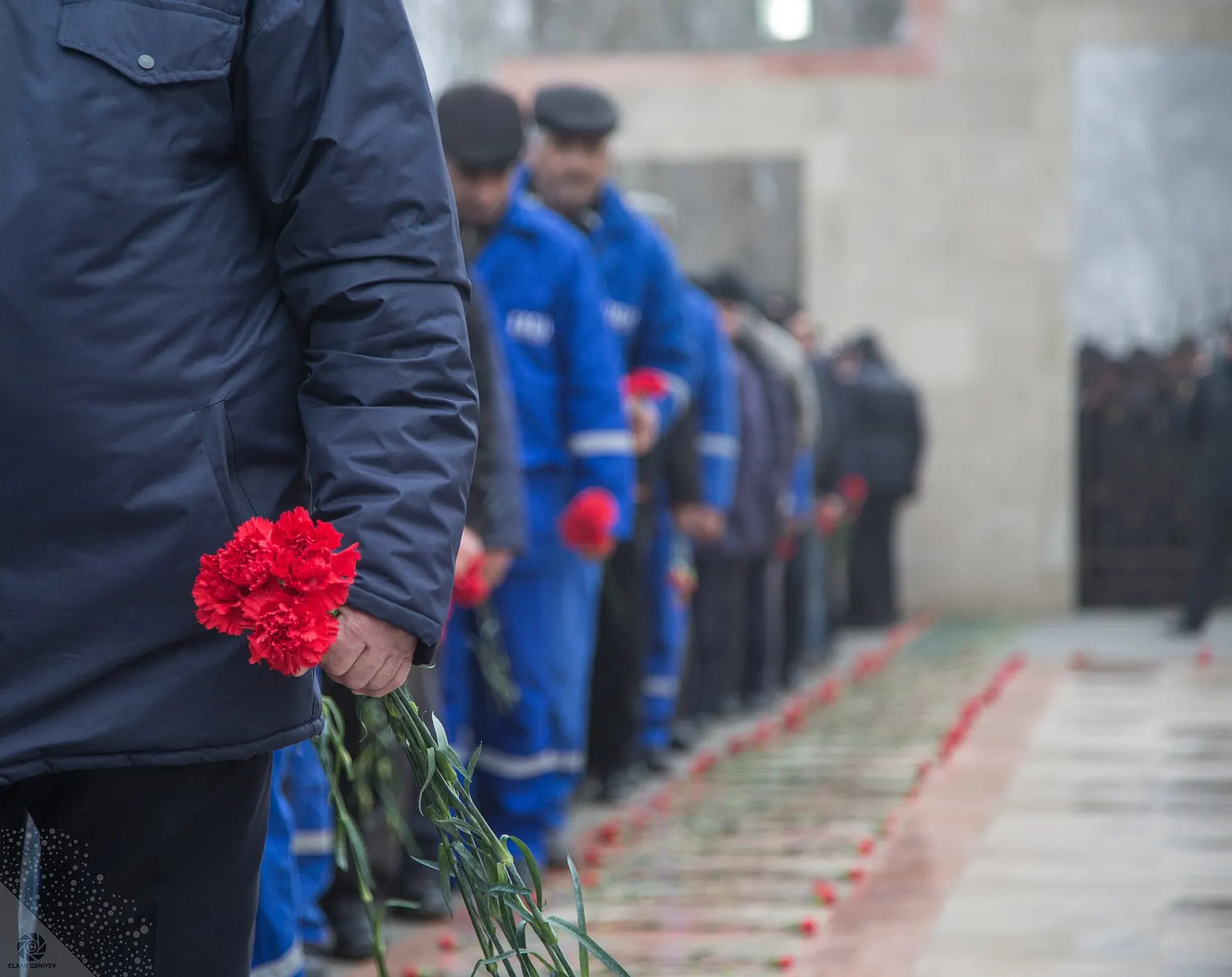
20 January is a day of mourning in Azerbaijan and is marked as the Day of Nationwide Sorrow — Ümumxalq Hüzn Günü. State flags fly at half-mast, officials lay wreaths at the Alley of Martyrs, and thousands of city residents come on their own with red carnations.
The red carnation has become the symbol of the date: it is laid on the gravestones and by the eternal flame. Those who come to Azerbaijan on official visits also call at the Alley — it is part of the protocol.
Round anniversaries bring additional acts of remembrance: for the 35th anniversary in 2025 a flash mob of about four thousand people was held in Baku. In 2015, for the 25th, Vahid Mustafayev's feature film “Bloody January” was presented.
What families remember
For many Baku families this is a personal date: someone lost a relative that night, someone remembers the curfew and the columns in the streets. That is why 20 January here is not a formality in the calendar but a day when the city really does fall silent.
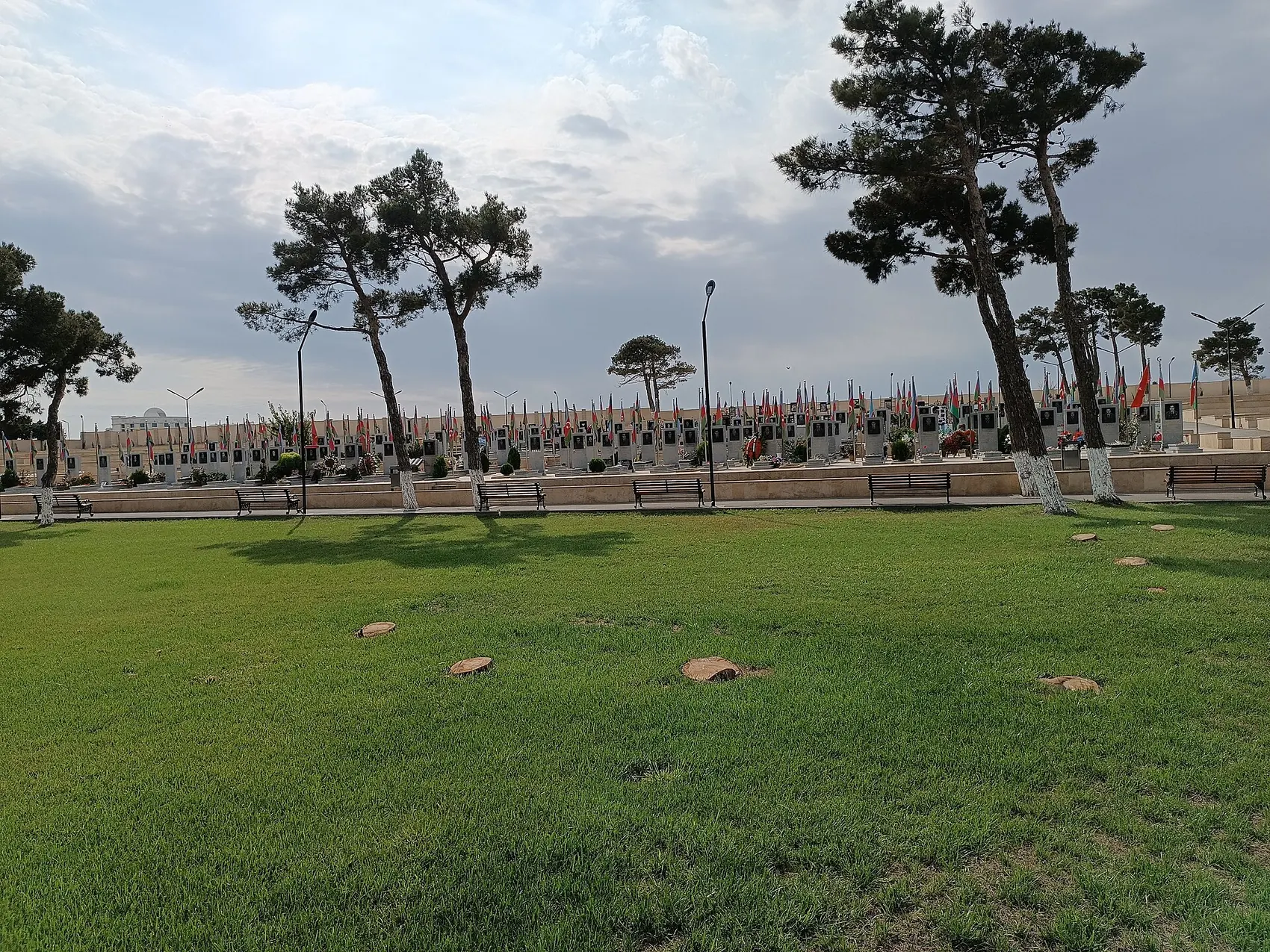
Lists of the dead and their photographs were published for years by newspapers and civic organisations; most of the slabs at the Alley carry a portrait — that was the families' main demand: that every victim keep a name and a face.
The date in the wider history
A year after Baku similar scenarios were repeated in Vilnius and Riga: alleged disorder became the pretext for a violent operation. Human Rights Watch drew exactly that parallel in explaining why the events in Baku were a warning to every national movement in the USSR.
For Azerbaijan 20 January is also the starting point of the road to independence, restored in October 1991. So a single day here holds both mourning and the memory of how statehood began.
Baku.ws news
The feed of the news portal
 EconomyAzerbaijani oil has become cheaper909080808010:09
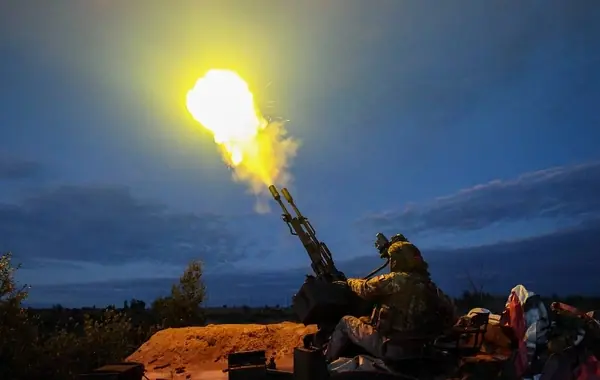 WorldThe number of drones shot down on approach to Moscow has risen to 103, three people injured10:00
 PoliticsDeputy: Statements by Russian officials directed at Azerbaijan entail legal liability23:57
 WorldTrump doubts Iran's readiness to sign a deal with the US23:56
Headlines and photographs come from baku.ws; the feed was updated on 18 August 2026. The links lead to the publisher's site.
Sources
Facts were checked against Wikipedia articles in three languages, the Human Rights Watch report “Black January in Azerbaijan”, reports by Memorial and the Helsinki Group, the figures of the republican commission of inquiry and the resolution of the Milli Majlis of 29 March 1994. Estimates of the death toll differ — all of them are given on the “Victims” page.