Alley of Martyrs
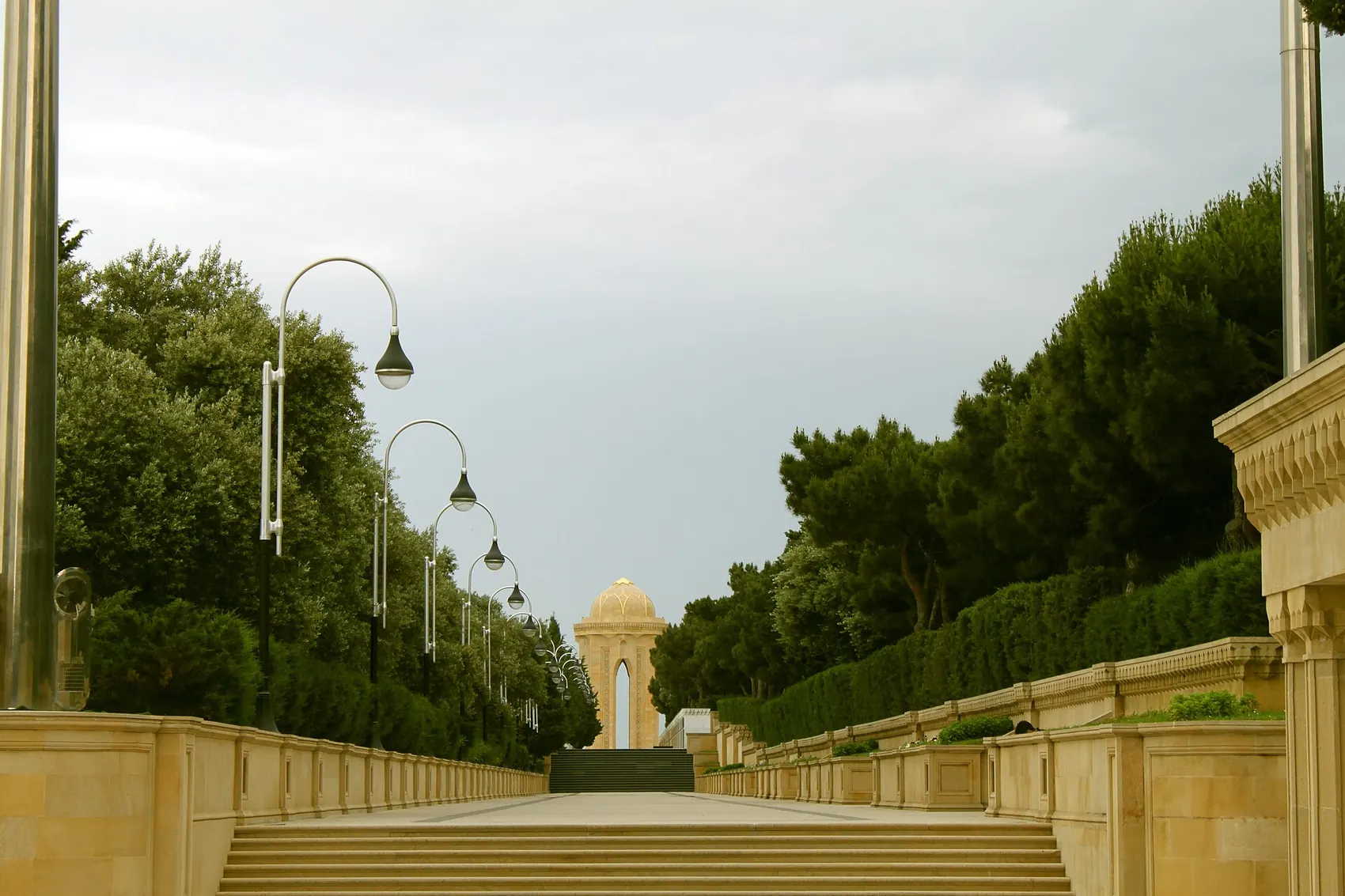
The country's central memorial stands on the hill above Baku — where a park named after Kirov stood in Soviet times.
How the memorial came about
On 22 January 1990 the dead were buried as heroes of the struggle for independence, in the S. M. Kirov park on the hill above the city. The park was later renamed the Alley of Martyrs, Şəhidlər Xiyabanı; graves of victims of later wars and a second alley appeared here as well.
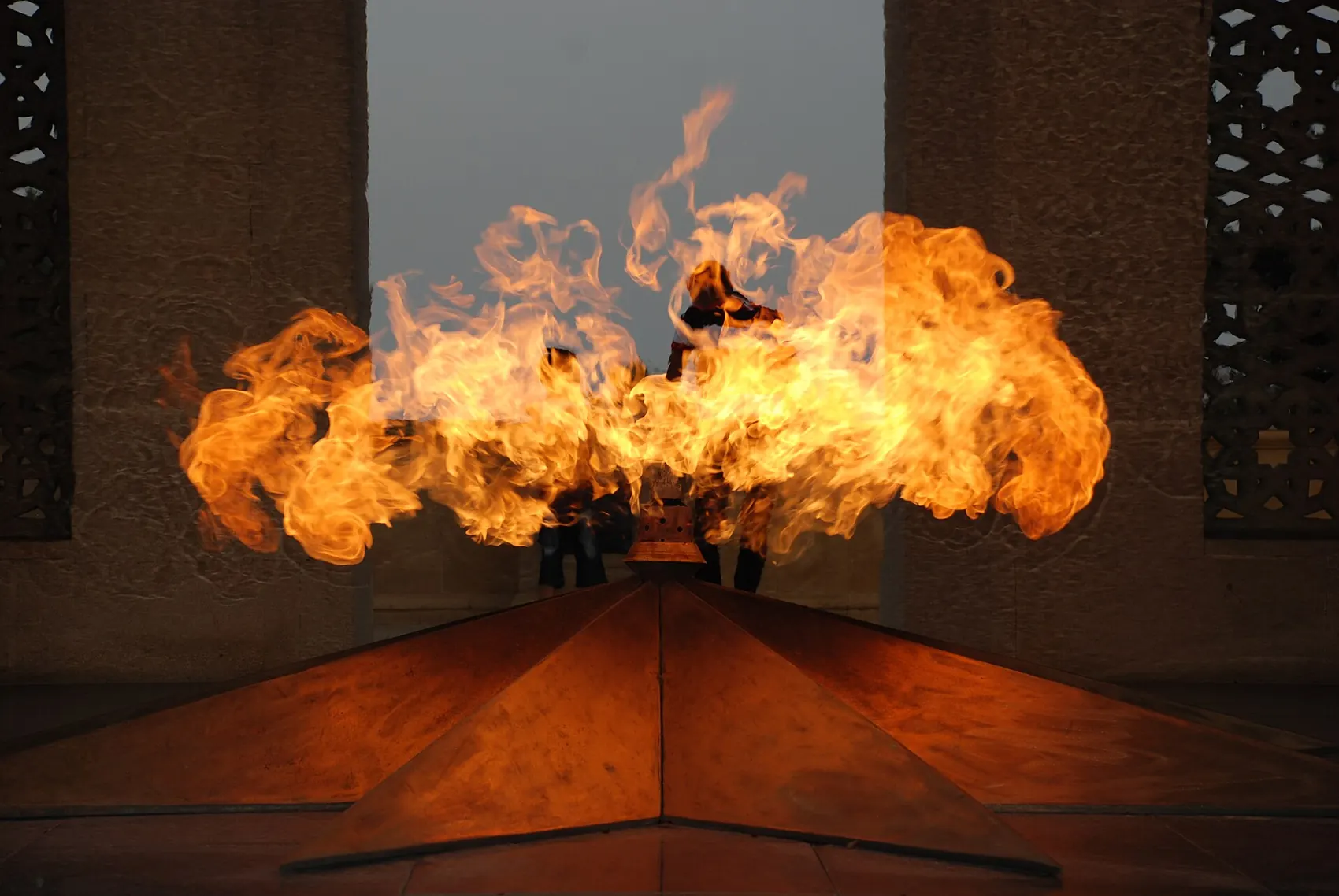
An eternal flame burns at the alley, a mosque stands beside it, and the terrace looks out over Baku Bay. The memorial has become a fixed point of protocol: foreign delegations come here and state ceremonies are held here.
In 2010 a separate monument to the victims of that night was unveiled in the Yasamal district, by the “20 January” roundabout next to the metro station of the same name. A monument to the 11th Red Army had stood on the spot in Soviet times; it was removed after the tragedy.
What is here
Black slabs with portraits, names and dates run the length of the alley. The first burials took place on 22 January 1990.
The eternal flame under a stone dome is the heart of the memorial and the place where official wreaths are laid.
The Martyrs' Mosque stands next to the memorial; its minarets are visible from the waterfront and from the upland park.
Sculptors Javanshir Dadashov and Azad Agayev, architect Adalat Mammadov. The monument with its pedestal is 8 metres high and the complex covers 1,500 m². It was unveiled on 20 January 2010.
The Baku metro station formerly called “11th Red Army” was renamed in memory of the events.
Beside it lies a second Alley of Martyrs with the graves of those killed in later wars — the memorial has grown along with the country's history.
How to get here
The alley is in the upland park: you can climb from the boulevard on foot or take the funicular, and from above a panorama of the city and the bay opens up. Entry is free, but this is an active cemetery and a place of mourning — people do not make noise here or photograph mourners at the graves.
On 20 January the flow of people is continuous from early morning; on other days it is quiet, and the memorial remains an ordinary part of a walk through the city — with the difference that every Bakuvian knows who lies here.
Baku.ws news
The feed of the news portal
 EconomyAzerbaijani oil has become cheaper909080808010:09
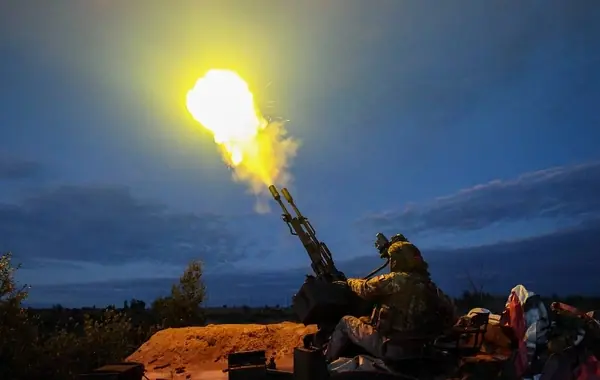 WorldThe number of drones shot down on approach to Moscow has risen to 103, three people injured10:00
 PoliticsDeputy: Statements by Russian officials directed at Azerbaijan entail legal liability23:57
 WorldTrump doubts Iran's readiness to sign a deal with the US23:56
Headlines and photographs come from baku.ws; the feed was updated on 18 August 2026. The links lead to the publisher's site.
Sources
Facts were checked against Wikipedia articles in three languages, the Human Rights Watch report “Black January in Azerbaijan”, reports by Memorial and the Helsinki Group, the figures of the republican commission of inquiry and the resolution of the Milli Majlis of 29 March 1994. Estimates of the death toll differ — all of them are given on the “Victims” page.