Victims
There is no single figure — and that is part of the history. Below are all the estimates, with the source of each.
Why the numbers differ
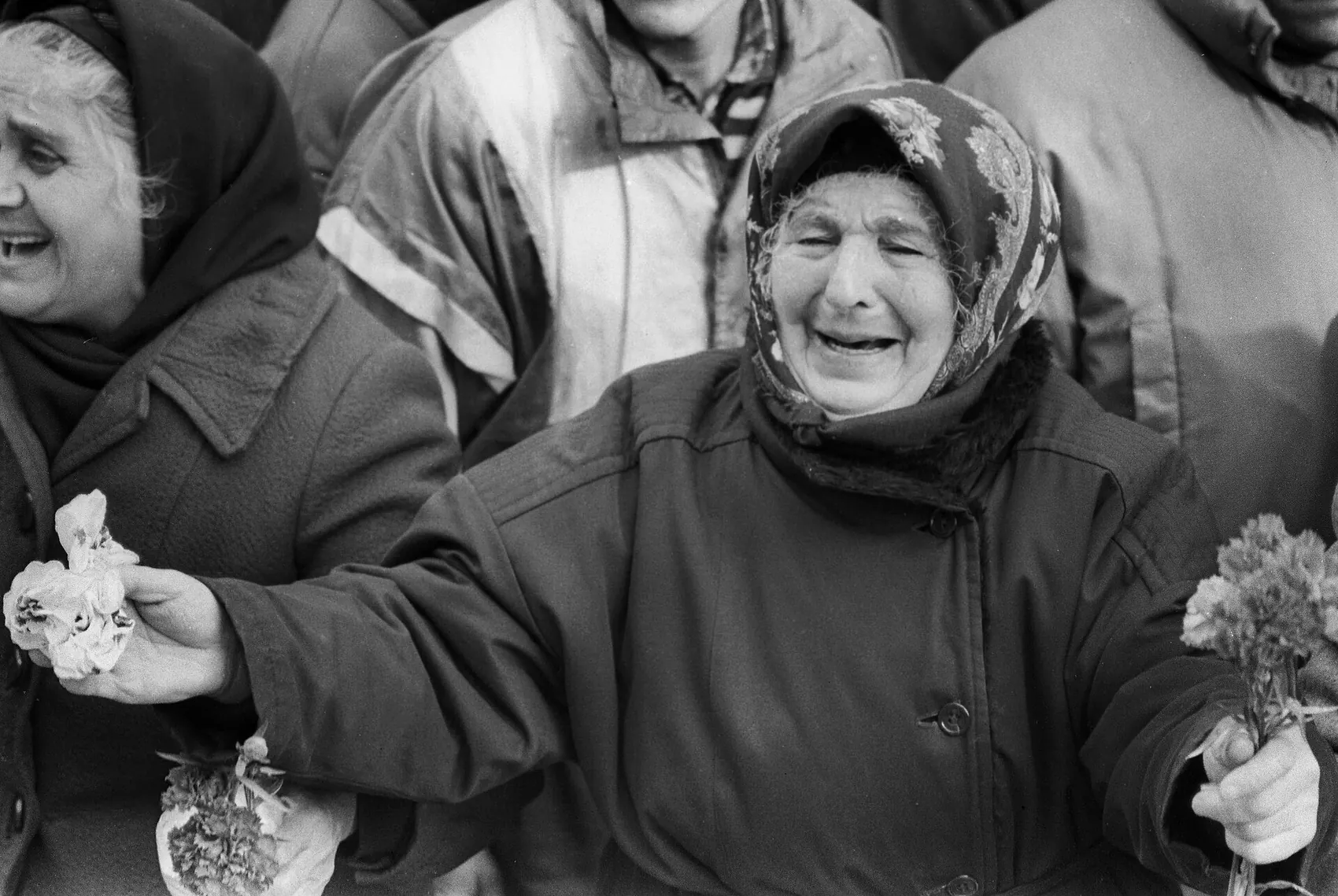
The investigation was carried out under emergency rule, bodies were taken away from the scene and some of the dead were not identified at once. Hence the different counts by the commission, the health ministry and human rights organisations — and the different figures in sources to this day.
We do not pick a “correct” number and give them all, with attribution. A discrepancy of a few dozen does not change the substance: the force used was disproportionate to any resistance — that was the assessment of Human Rights Watch and of Memorial together with the Helsinki Group.
Estimates of the death toll
- Republican commission of inquiry
- 131 killed, 744 wounded
- Azerbaijan's official estimate
- 147 killed, about 800 wounded, 5 missing
- A number of sources
- between 133 and 137 killed; unofficial estimates reach 300
- Ministry of Health of Soviet Azerbaijan
- 170 killed as of 9 February 1990
- Regions
- another 26 people were killed in the Neftchala and Lankaran districts
- Soldiers
- 21 by one account; the military commandant gave 14, the health ministry 27 soldiers and 5 police officers as of 31 January, and the Shield organisation 9
Who the victims were
According to later data the dead included 117 Azerbaijanis, 6 Russians, 3 Jews and 3 Tatars. On 9 February the health ministry listed 6 Russians and 7 Jews, Tatars and Lezgins together.
78 workers, 24 office employees, 12 students, 2 vocational-school pupils, 4 schoolchildren, 3 pensioners and 6 temporarily unemployed.
By the time emergency rule was announced only 42 of those killed had taken direct part in the pickets; nine more died while helping the wounded.
Of the 82 killed by gunfire, 44 had entry wounds in the back; bayonet wounds were also recorded.
In the report “Black January in Azerbaijan” Human Rights Watch found the violence so disproportionate to the resistance offered that it amounted to an exercise in collective punishment.
By a decree of President Heydar Aliyev of 16 December 1999 all the victims were awarded the honorary title “Martyr of 20 January”.
Names
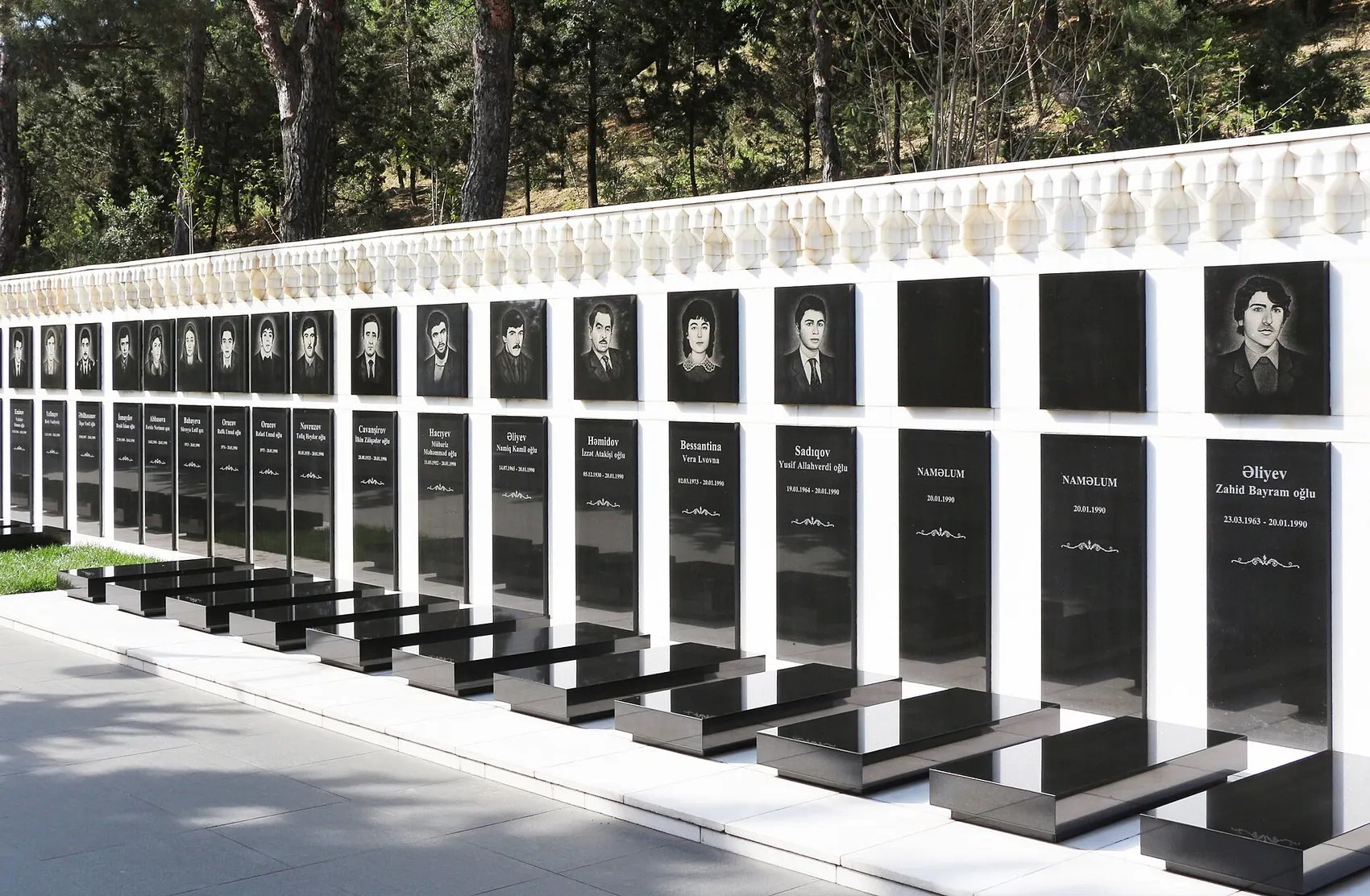
At the Alley of Martyrs each of the dead has a black slab with a portrait, a name and dates. The rows run the length of the alley; beside them lie the victims of later wars.
Lists of those killed on 20 January were published and revised for years: some victims were identified later, some died of their wounds in hospital. That is one reason the final figures in different sources do not match.
Baku.ws news
The feed of the news portal
 EconomyAzerbaijani oil has become cheaper909080808010:09
 WorldThe number of drones shot down on approach to Moscow has risen to 103, three people injured10:00
 PoliticsDeputy: Statements by Russian officials directed at Azerbaijan entail legal liability23:57
 WorldTrump doubts Iran's readiness to sign a deal with the US23:56
Headlines and photographs come from baku.ws; the feed was updated on 18 August 2026. The links lead to the publisher's site.
Sources
Facts were checked against Wikipedia articles in three languages, the Human Rights Watch report “Black January in Azerbaijan”, reports by Memorial and the Helsinki Group, the figures of the republican commission of inquiry and the resolution of the Milli Majlis of 29 March 1994. Estimates of the death toll differ — all of them are given on the “Victims” page.