20 January 1990
On the night of 20 January 1990 units of the Soviet Army entered Baku. Shooting in the city went on for days; more than a hundred civilians were killed. Azerbaijan marks the date as the Day of Nationwide Sorrow.
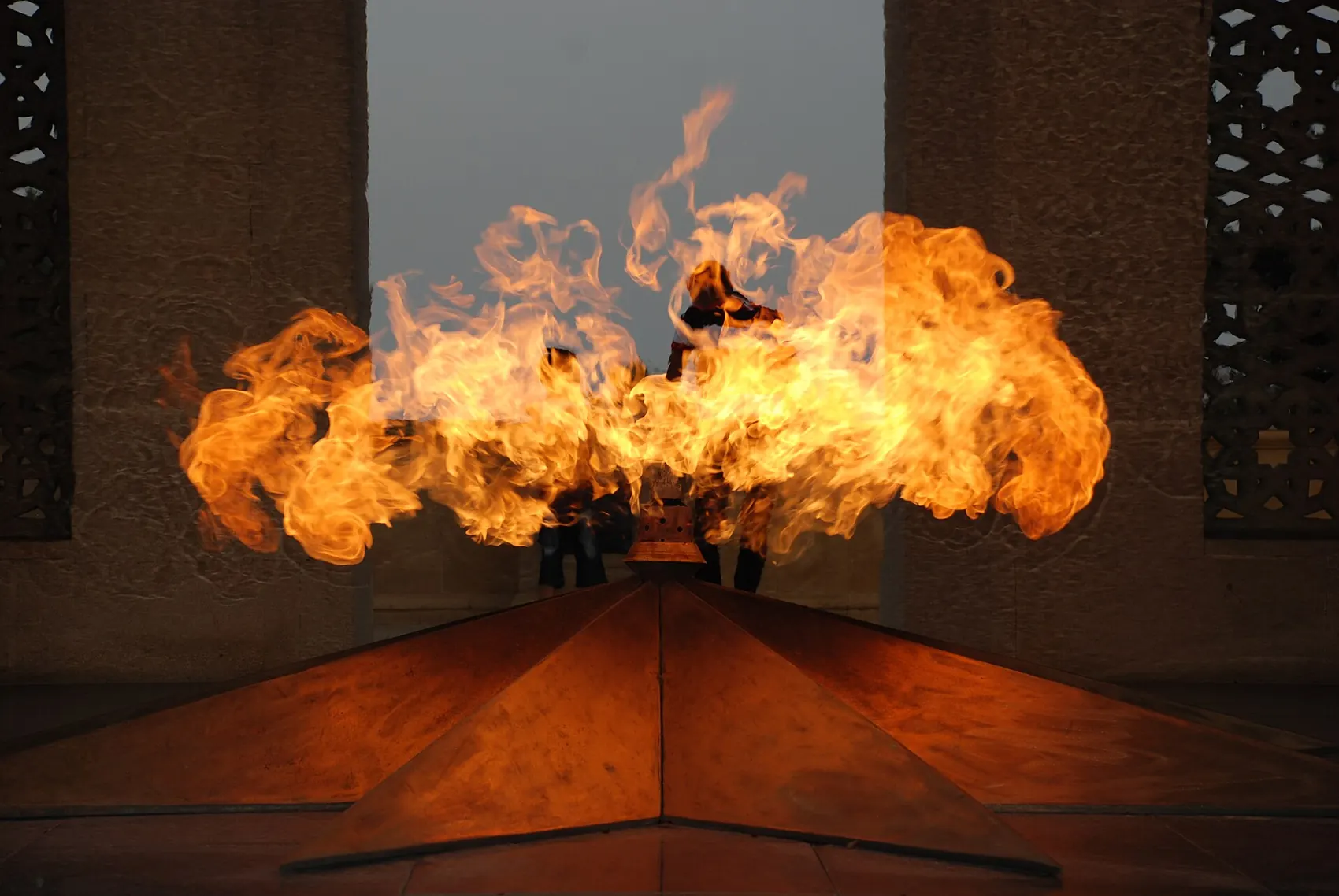
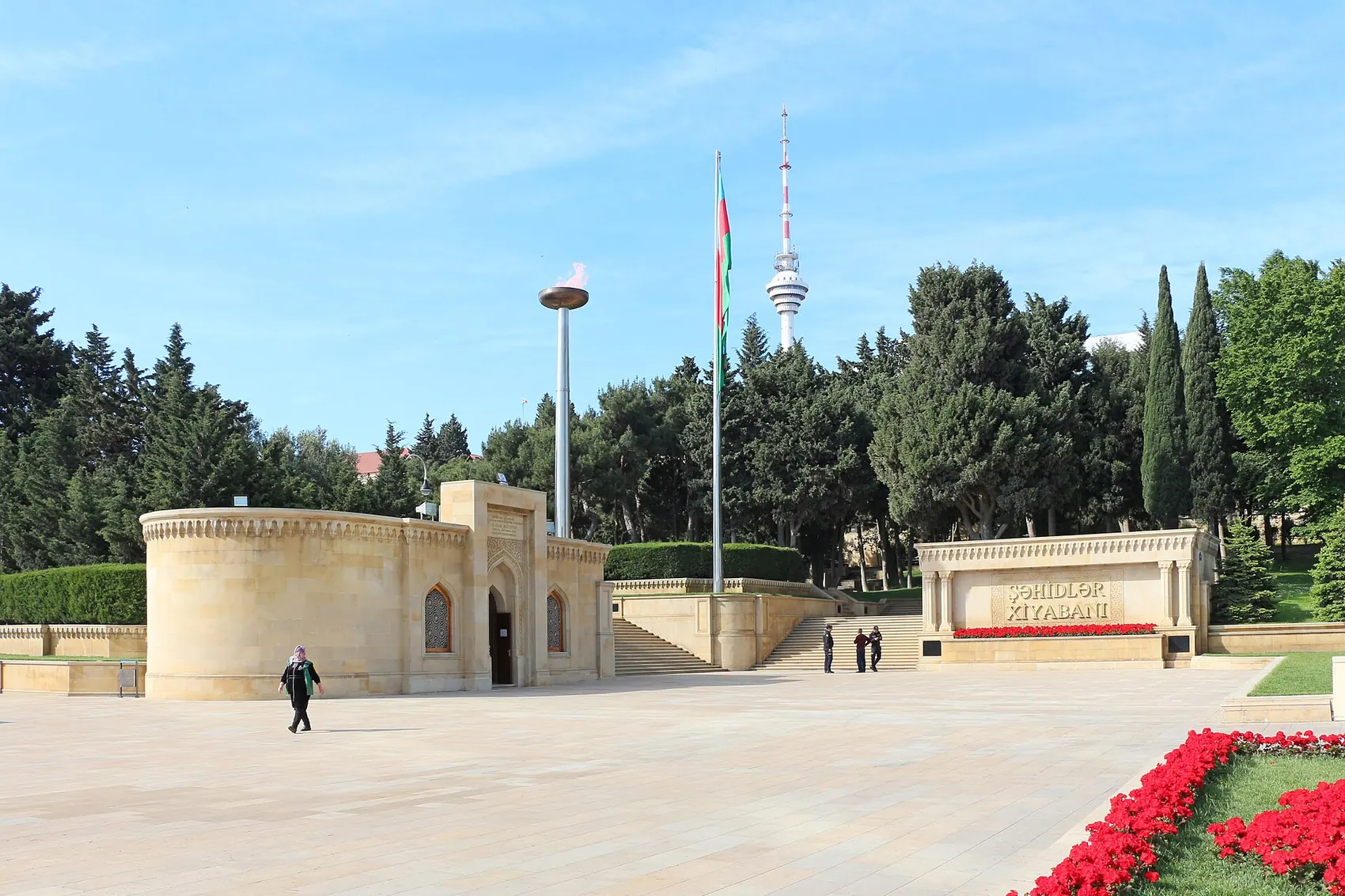
The eternal flame at the Alley of Martyrs · Marco F · CC BY-SA 4.0
What happened
By January 1990 Azerbaijan was at the peak of a political crisis: the Karabakh conflict, flows of refugees, a paralysed republican government and the growing influence of the Popular Front. On 13 January a pogrom against the Armenian population took dozens of lives in Baku; Popular Front activists blockaded military barracks and the approaches to the city.
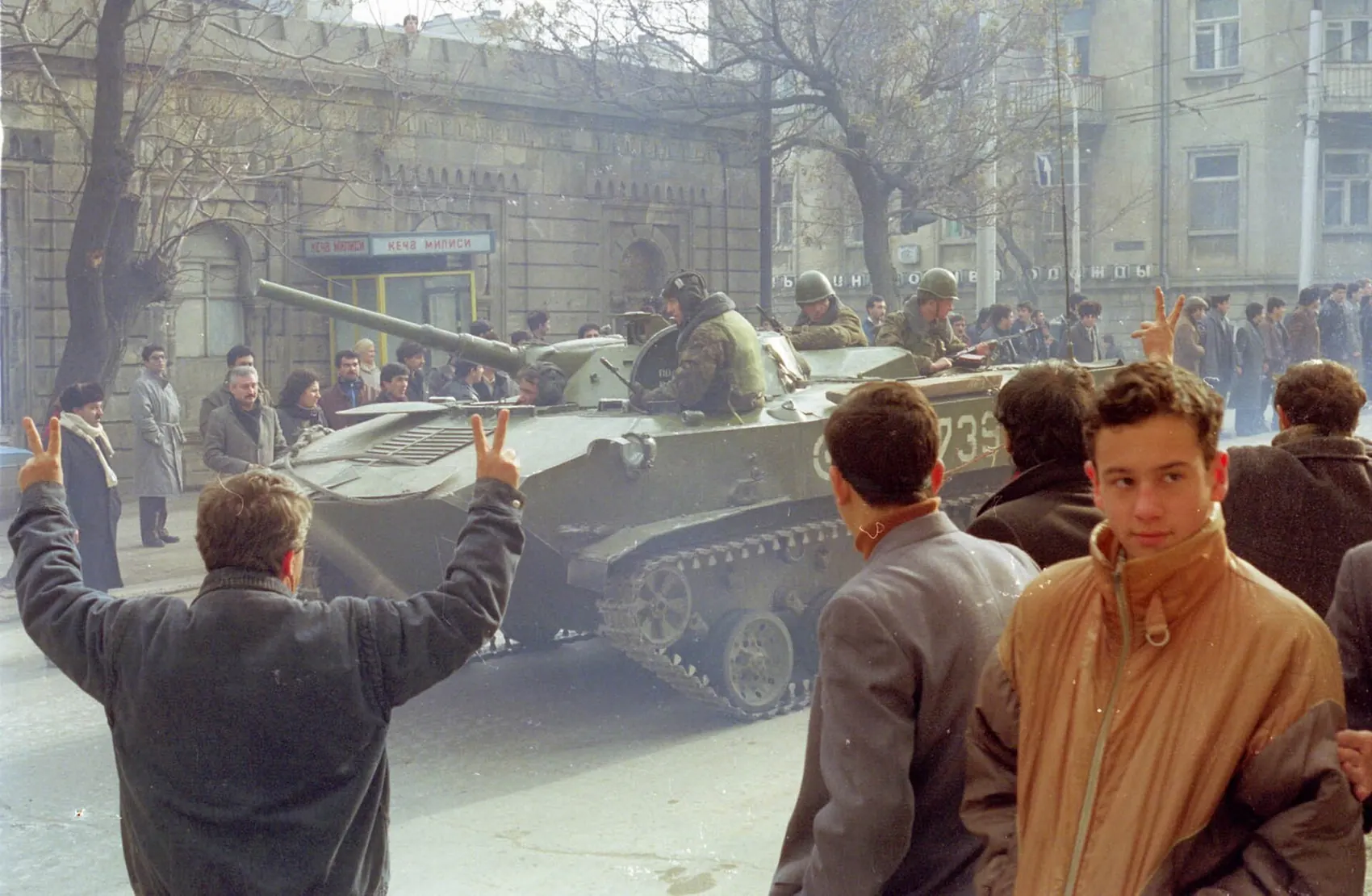
On 19 January the Presidium of the Supreme Soviet of the USSR approved a decree on a state of emergency in Baku, signed by Mikhail Gorbachev. At about half past seven in the evening special forces disabled the power unit of the television centre — the city was left without television and did not know what was happening. That night the troops entered Baku.
Fire was directed at streets, cars and the windows of houses; among the dead were people with no connection to the pickets — teenagers, ambulance crews and passers-by. Most residents learned of the state of emergency only at half past five in the morning, from a radio announcement and leaflets dropped from helicopters, when the dead and wounded already numbered in the hundreds.
Sections
 01Background
Karabakh, refugees, the pogrom of 13 January and the blockade of the barracks: how the republic came to that night.
Read →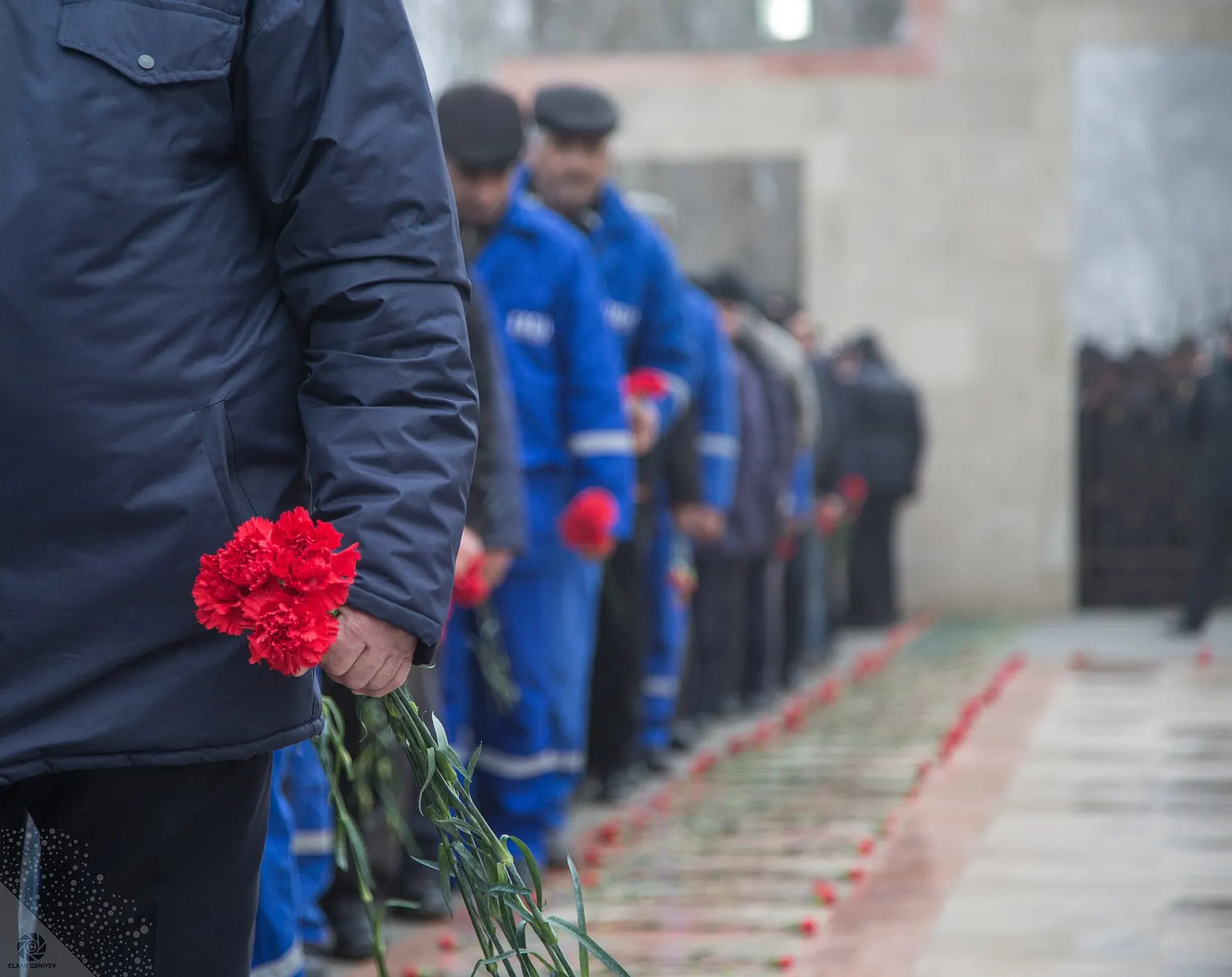 02The night of 20 January
Operation “Udar”, the silenced television, the assault from three directions and the first hours after.
Read →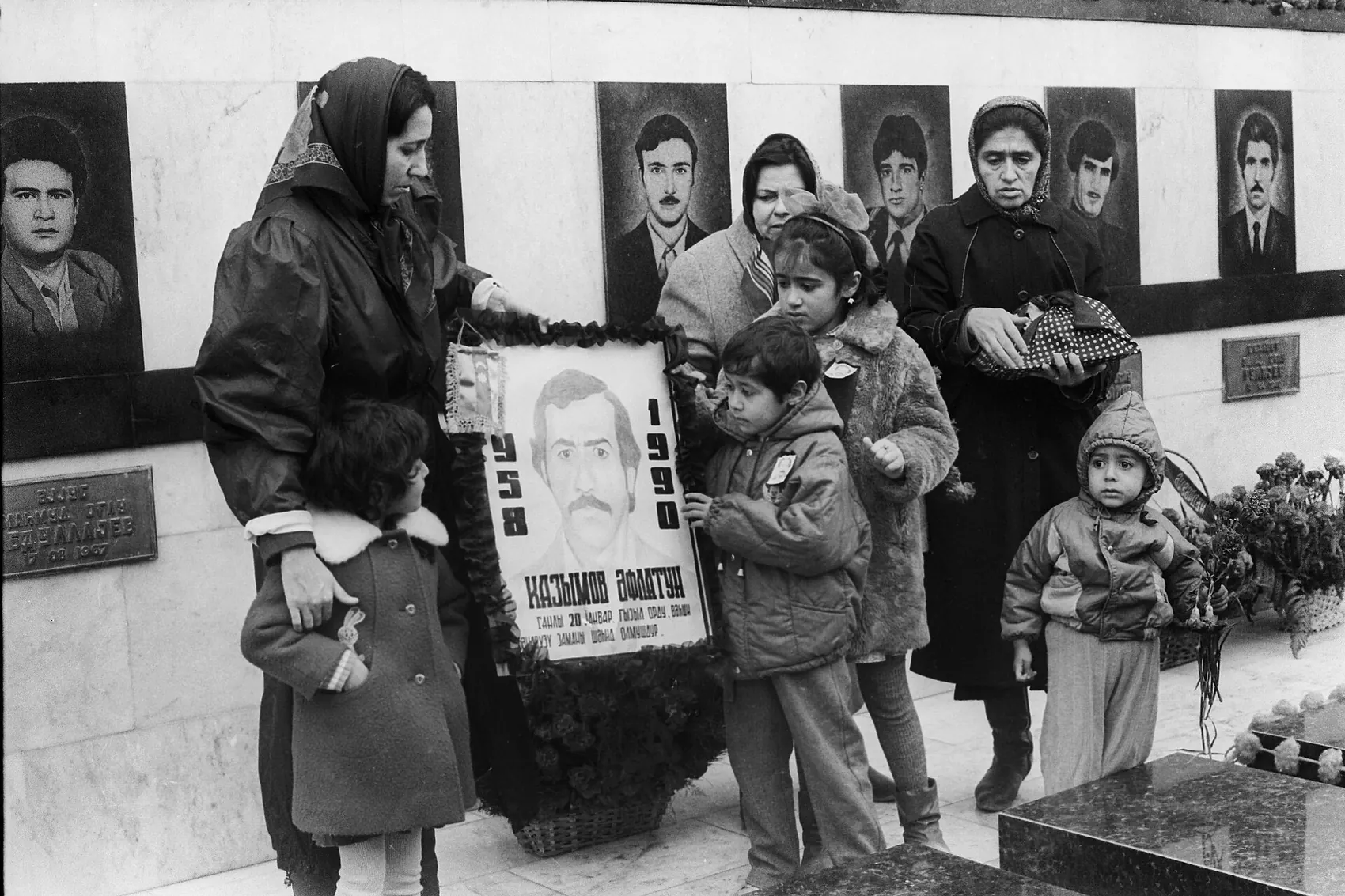 03Victims
How many people were killed — and why the sources give different numbers.
Read →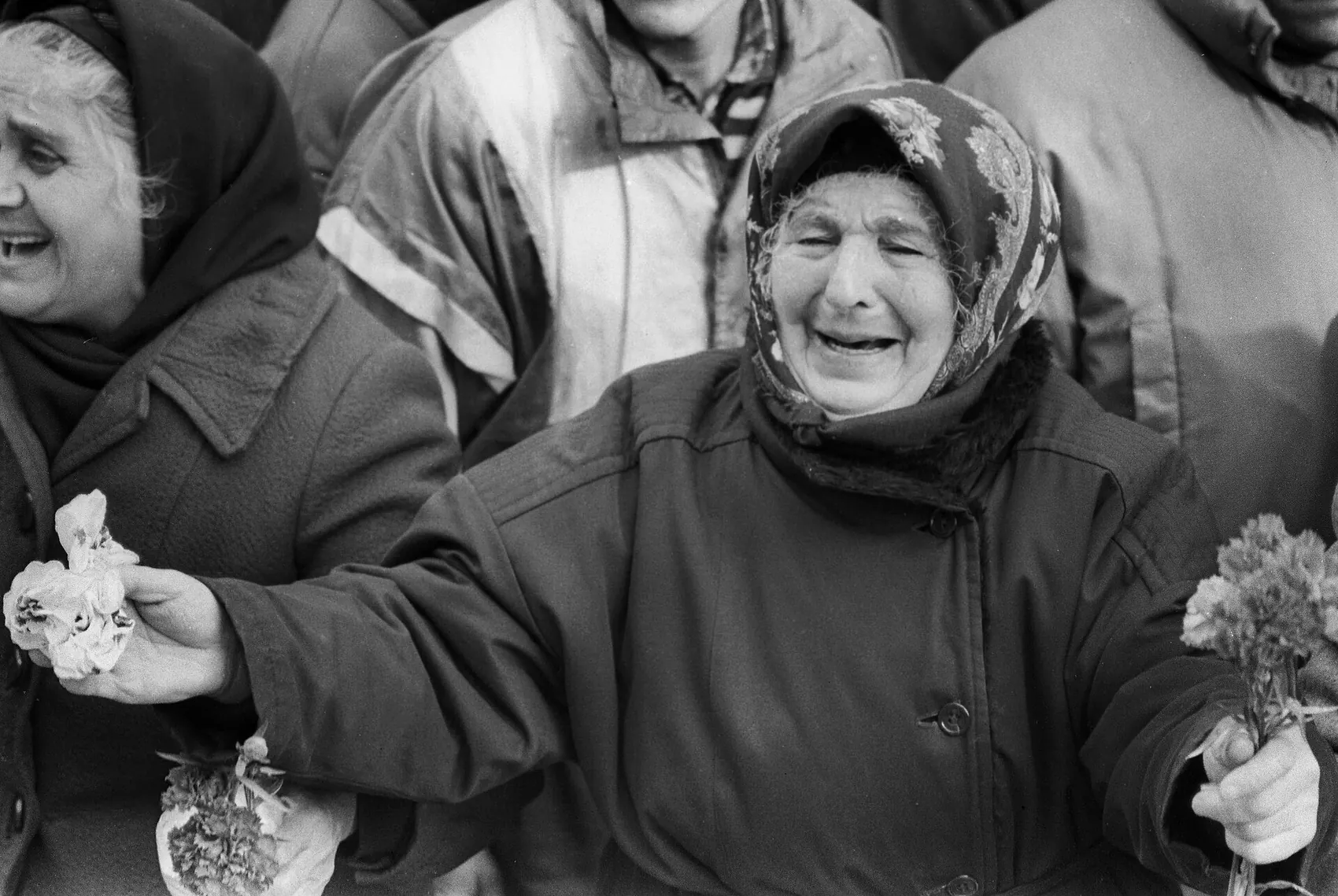 04What followed
The funerals of 22 January, forty days of mourning, the session of the Supreme Soviet and the road to independence.
Read →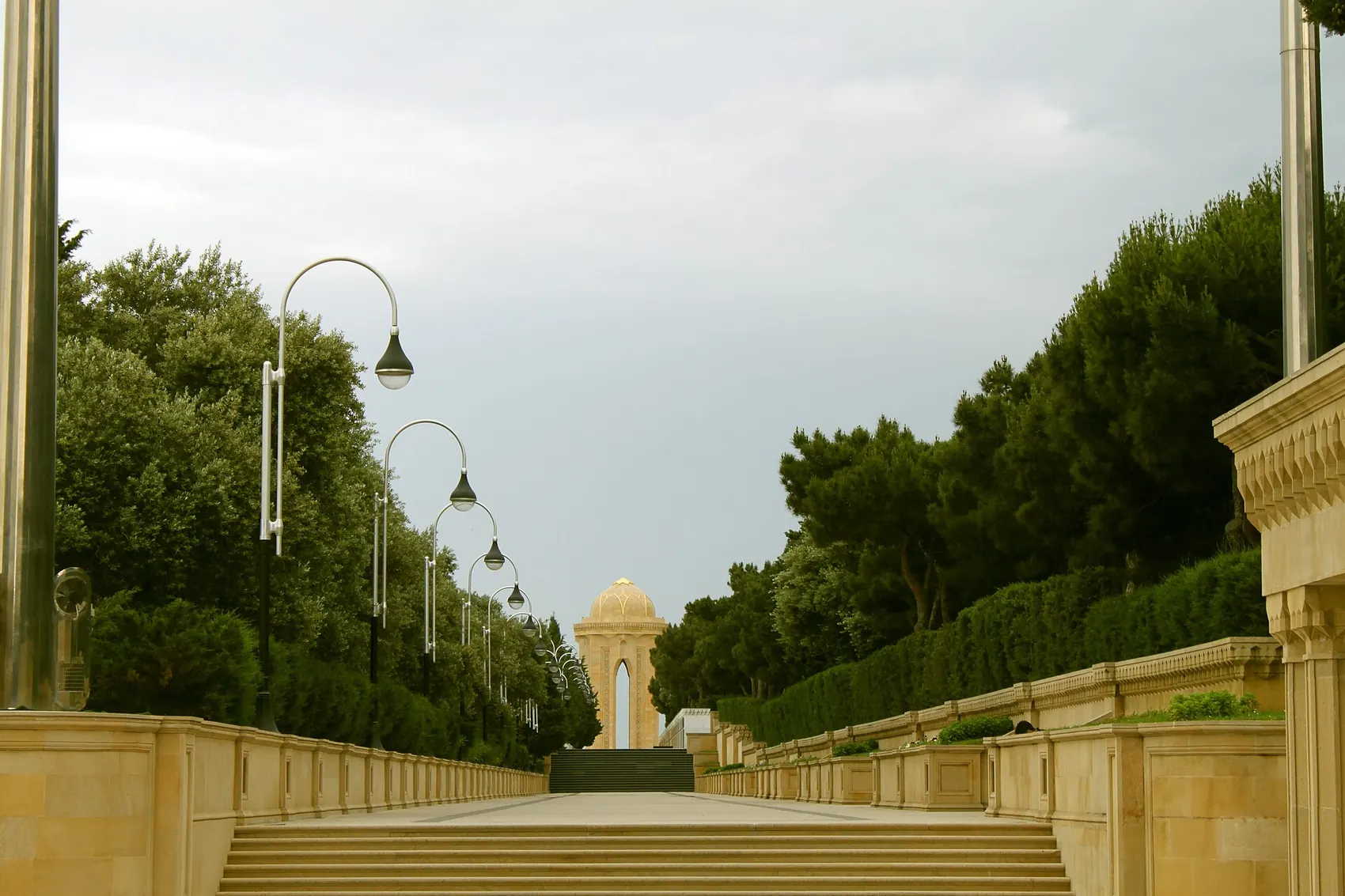 05Alley of Martyrs
The former Kirov park, the eternal flame, the monument in Yasamal and the “20 January” metro station.
Read →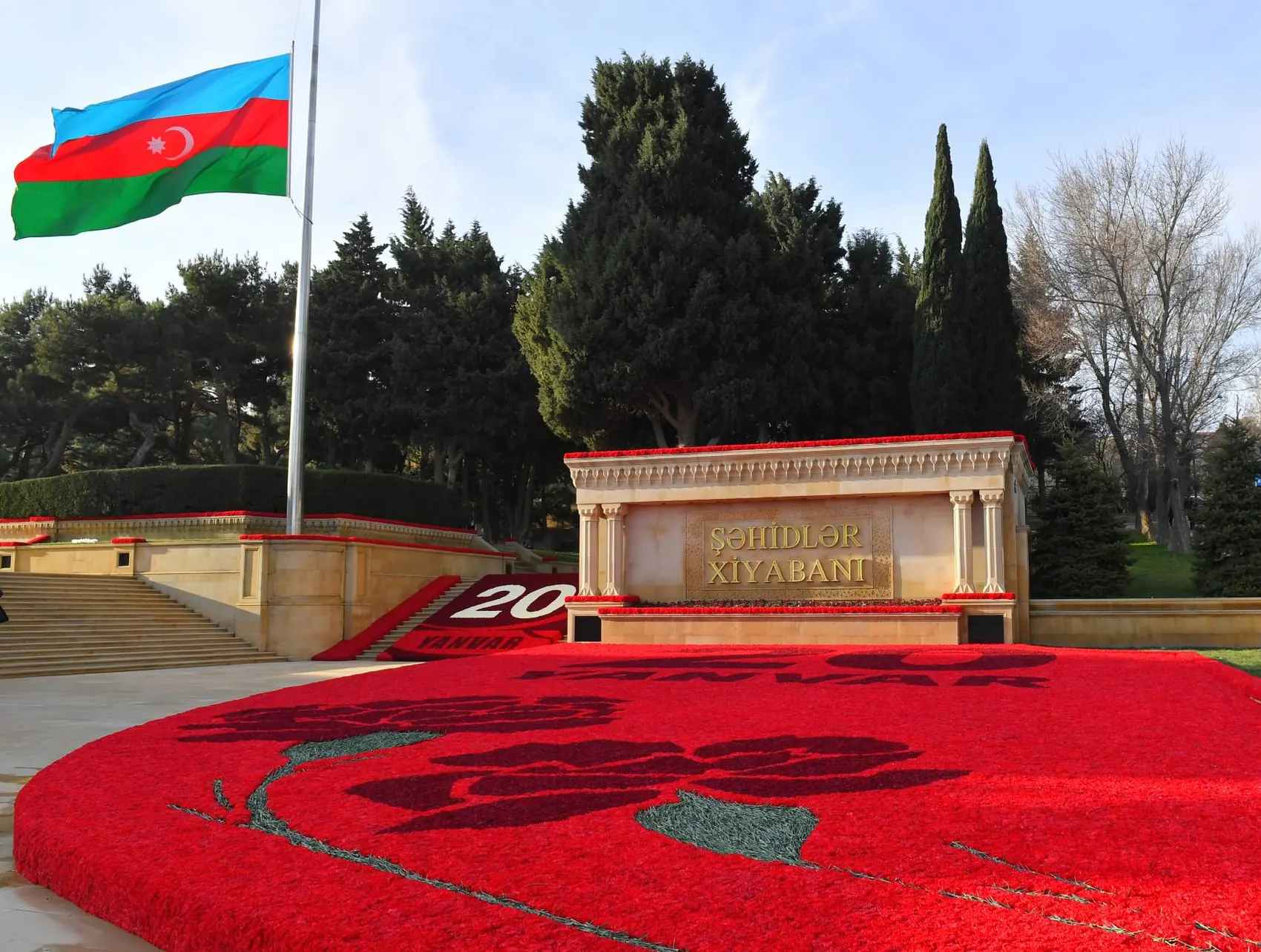 06Day of mourning
How 20 January is marked today: red carnations, flags at half-mast, thousands of people at the Alley.
Read →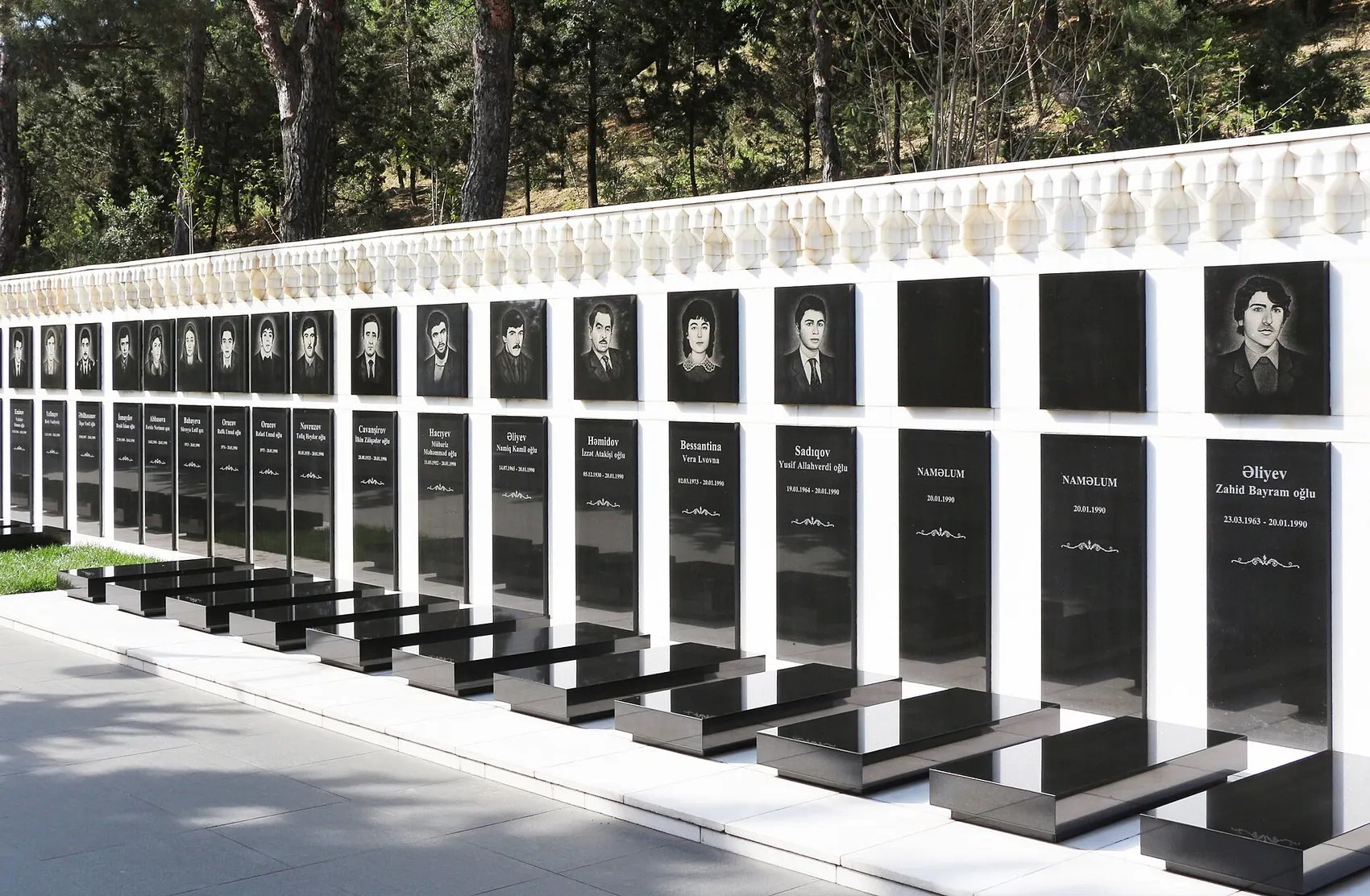 07Photographs
Sixteen images with the author and licence given for each.
Read → 08Live
The live Baku TV stream on the page itself — our player, the channel's feed.
Read →Why it is called Black January
The name stuck immediately: Qara Yanvar, “black January”. For Azerbaijan it marks not only a death toll but the point after which trust in the Soviet centre never recovered. The British journalist Thomas de Waal later wrote that it was on 20 January 1990 that Moscow effectively lost Azerbaijan.
A year later similar scenarios were repeated in Vilnius and Riga — and then the world spoke loudly. Bakuvians still remember the silence of the world press in January 1990.
Where they were buried
The dead were buried on 22 January in the former Kirov park on the hill above the city. The place was later named the Alley of Martyrs — Şəhidlər Xiyabanı; the graves of victims of later wars were brought here as well.
Today the Alley is the country's central memorial: people come here on 20 January with red carnations, the eternal flame burns here, and every official delegation visits it.
131 and 147
Baku.ws news
The feed of the news portal
 EconomyAzerbaijani oil has become cheaper909080808010:09
 WorldThe number of drones shot down on approach to Moscow has risen to 103, three people injured10:00
 PoliticsDeputy: Statements by Russian officials directed at Azerbaijan entail legal liability23:57
 WorldTrump doubts Iran's readiness to sign a deal with the US23:56
Headlines and photographs come from baku.ws; the feed was updated on 18 August 2026. The links lead to the publisher's site.
Sources
Facts were checked against Wikipedia articles in three languages, the Human Rights Watch report “Black January in Azerbaijan”, reports by Memorial and the Helsinki Group, the figures of the republican commission of inquiry and the resolution of the Milli Majlis of 29 March 1994. Estimates of the death toll differ — all of them are given on the “Victims” page.