What followed
The funerals became the largest demonstration in the city's history, and the investigation went on for decades.
The days after
On the evening of 21 January an emergency session of the Supreme Soviet of Azerbaijan opened. It ruled the deployment unlawful and suspended the decree on emergency rule, declaring that if the centre ignored the decision the question of leaving the USSR would be raised. The resolution of 22 January called the decree of 19 January an act of aggression.
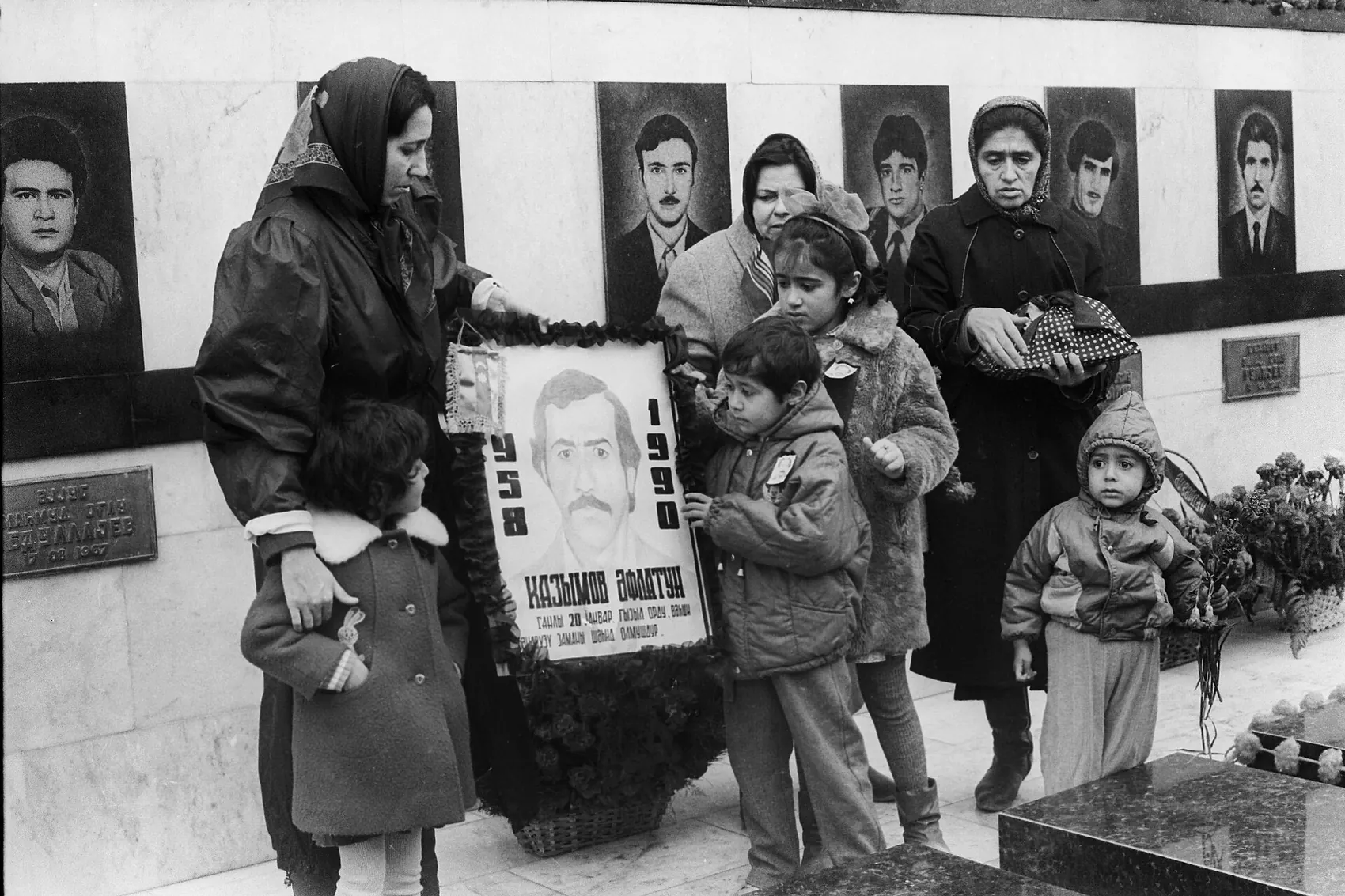
On 22 January the dead were buried. Practically the whole city came out; the airport, the railway station and long-distance telephone lines stopped working, and during the days of mourning sirens sounded every hour. The mosque took charge of organising the funerals: Sheikh ul-Islam Allahshukur Pashazadeh, head of the Spiritual Board of Caucasian Muslims, demanded that Gorbachev withdraw the troops at once and sent copies of his appeal to the UN and to heads of state.
For forty days the country did not work, in mourning and in protest. Tens of thousands of Communists publicly burned their party cards. Heydar Aliyev, then a former Politburo member, came the day after the tragedy to Azerbaijan's permanent mission in Moscow, publicly condemned the deployment and accused Gorbachev of violating the constitution.
Legal consequences
- Session of the Supreme Soviet
The deployment is declared unlawful and the emergency decree suspended; the resolution calls the actions of the centre an act of aggression.
- Human rights report
Memorial and the Helsinki Group report evidence of an unwarranted breach of civil liberties: armoured vehicles, bayonets and fire directed at ambulances.
- Independence
The parliament of Azerbaijan restores the country's state independence.
- Criminal case
The prosecutor's office of independent Azerbaijan annuls the Soviet decision that found no crime and opens a case.
- Findings of the investigation
The Azerbaijani prosecutor's office names Mikhail Gorbachev, Dmitry Yazov, Vladimir Kryuchkov, Yevgeny Primakov, Abdurrahman Vazirov and Ayaz Mutalibov as responsible.
- Resolution of the Milli Majlis
Parliament gives the events a full political and legal assessment and lists those responsible.
- The title of martyr
By decree of President Heydar Aliyev all the victims receive the title “Martyr of 20 January”.
- Case against Gorbachev
The Azerbaijani prosecutor's office opens a case against the former Soviet president for violating article 119 of the USSR constitution and article 71 of the constitution of Soviet Azerbaijan.
What changed in society
Historians agree that January 1990 was a turning point: trust in the Soviet centre never recovered, and the funerals of the victims became an act of national self-determination. The scholar Ali Abbasov noted that for the first time in living memory the official Islam of Azerbaijan spoke out against Moscow.
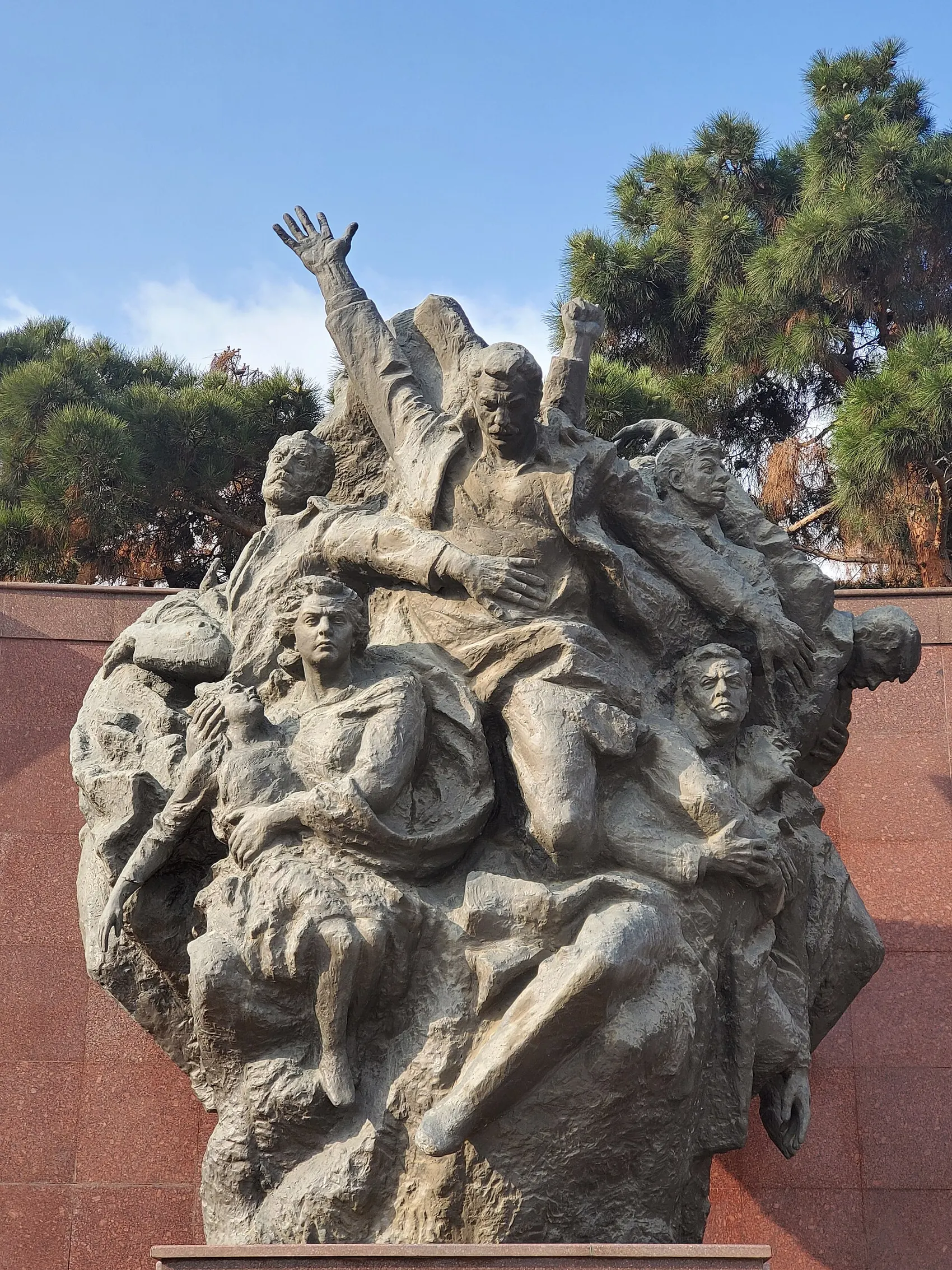
The American scholar Michael Smith wrote that the mourning rites of those days reproduced the traditions of Muharram — lamentations, bayati songs and gestures of grief — and became “the first genuine act of civic Muharram” of the post-Soviet period.
Baku.ws news
The feed of the news portal
 EconomyAzerbaijani oil has become cheaper909080808010:09
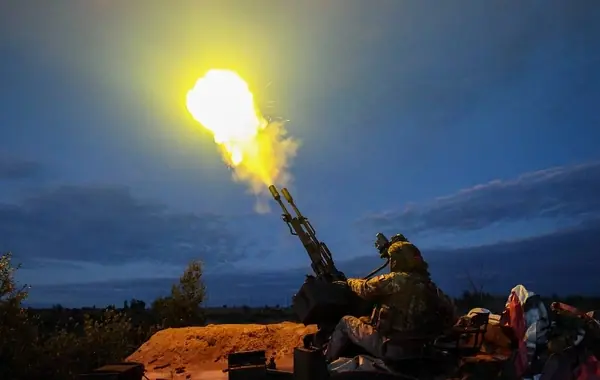 WorldThe number of drones shot down on approach to Moscow has risen to 103, three people injured10:00
 PoliticsDeputy: Statements by Russian officials directed at Azerbaijan entail legal liability23:57
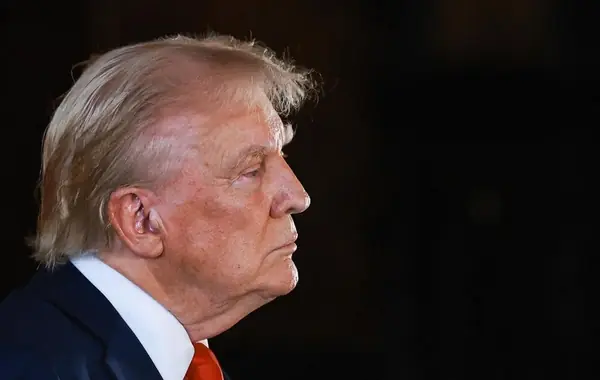 WorldTrump doubts Iran's readiness to sign a deal with the US23:56
Headlines and photographs come from baku.ws; the feed was updated on 18 August 2026. The links lead to the publisher's site.
Sources
Facts were checked against Wikipedia articles in three languages, the Human Rights Watch report “Black January in Azerbaijan”, reports by Memorial and the Helsinki Group, the figures of the republican commission of inquiry and the resolution of the Milli Majlis of 29 March 1994. Estimates of the death toll differ — all of them are given on the “Victims” page.