Understanding Venezuela: A Concept of Cultural and Political Significance
Venezuela, a country rich in cultural diversity and political complexity, serves as a significant concept in understanding the dynamics of Latin America. Its history is marked by the interplay of indigenous cultures, colonial influences, and contemporary political struggles, which have shaped its identity. The nation has been a focal point in discussions about democracy, human rights, and economic challenges, making it a critical case study for scholars and activists alike.
In the context of the Jewish community, Venezuela has a historical connection through its Jewish diaspora, which has contributed to the cultural tapestry of the country. The challenges faced by the Jewish population in Venezuela, particularly in recent years, highlight broader themes of migration, community resilience, and the importance of interfaith dialogue. Exploring Venezuela not only sheds light on its internal issues but also on the global Jewish experience, a topic frequently addressed on our portal. Understanding this concept allows readers to engage with the complexities of cultural identity and the importance of solidarity in times of crisis.
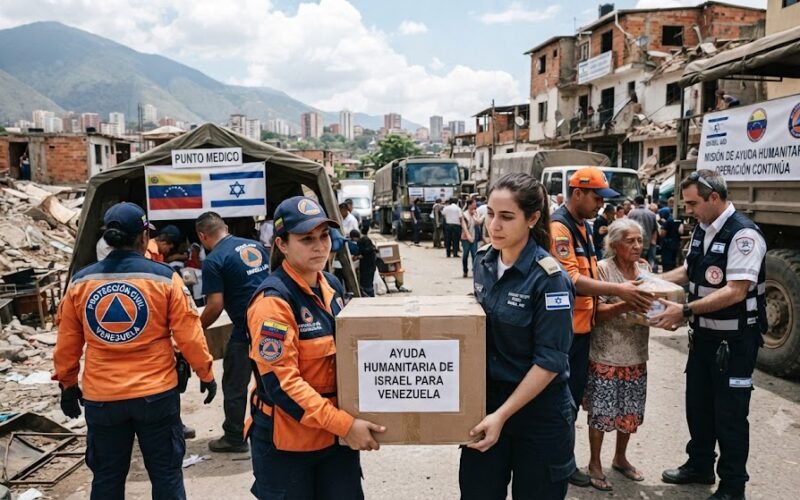
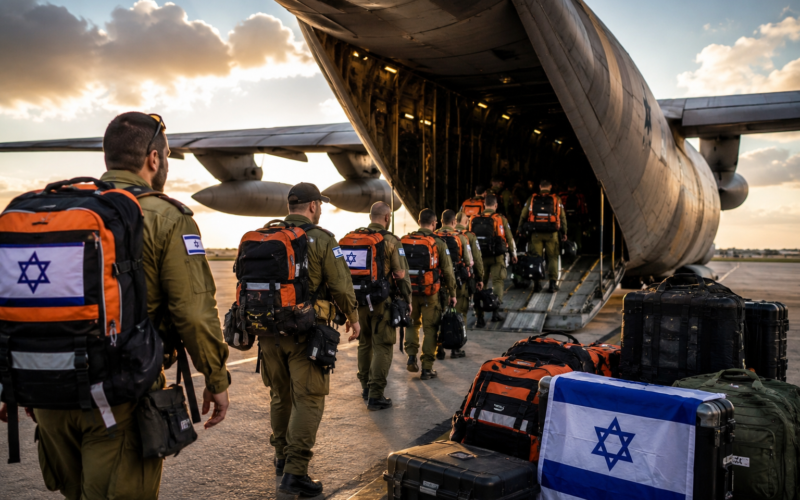
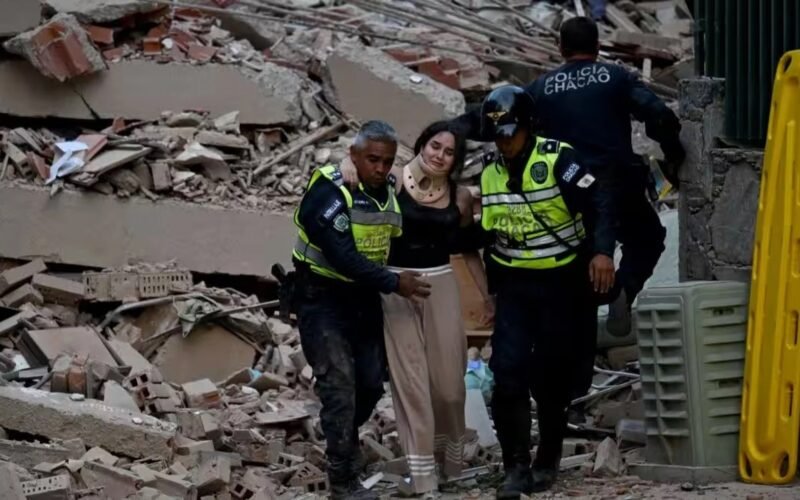
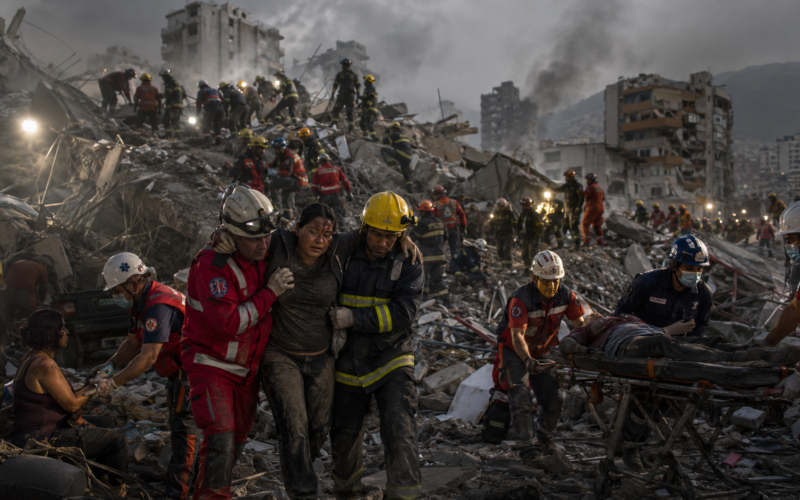
The Israeli humanitarian aid mission sent to Venezuela following a powerful earthquake has concluded its operations and returned home. Israel has announced…
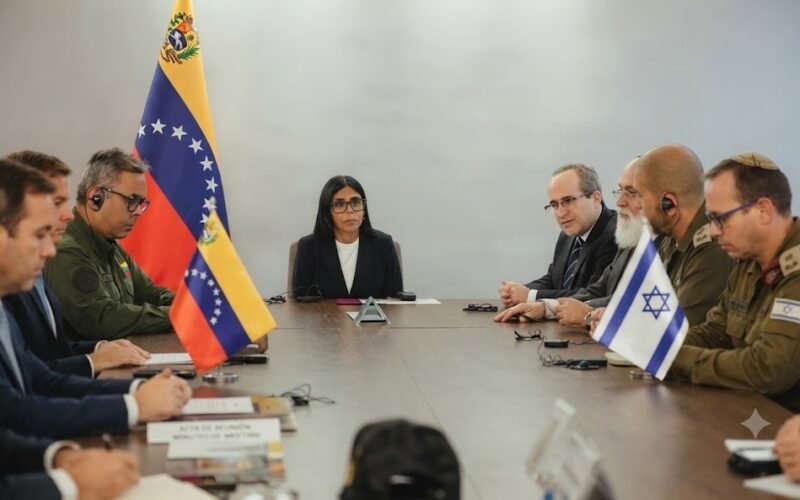
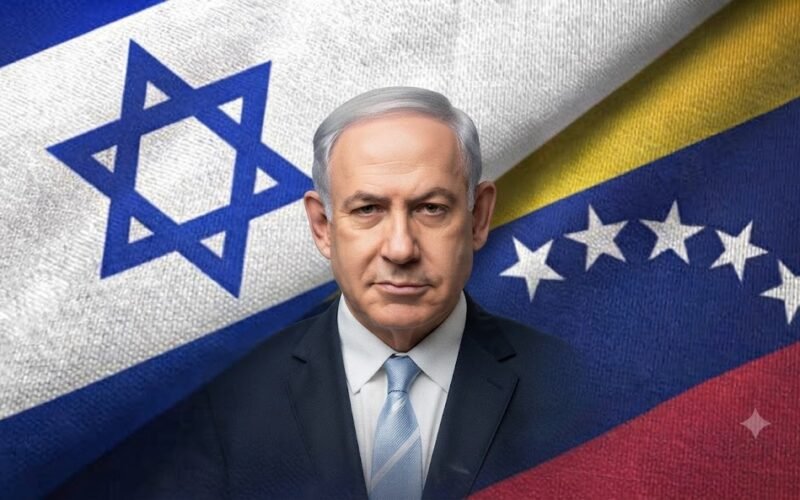
Jerusalem, July 13 - Israeli Prime Minister Benjamin Netanyahu announced that diplomatic relations between Israel and Venezuela have been restored after a…
Following Venezuela's government request, Israel's humanitarian aid mission operating in the country to address earthquake consequences has been extended for two additional…
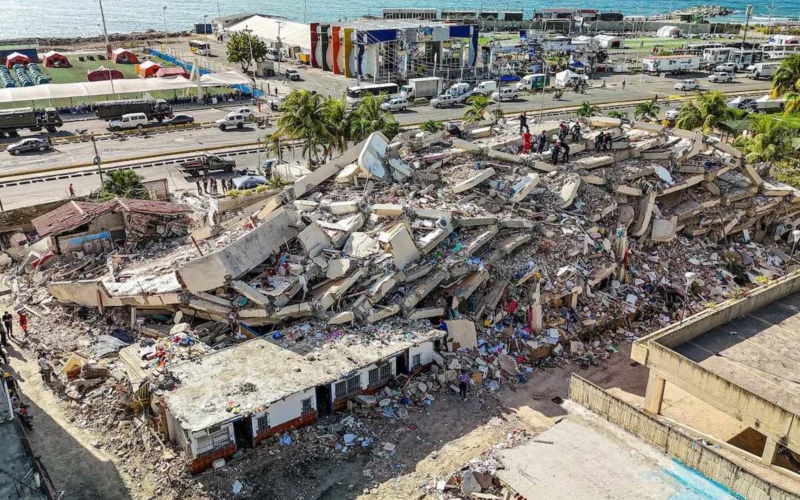
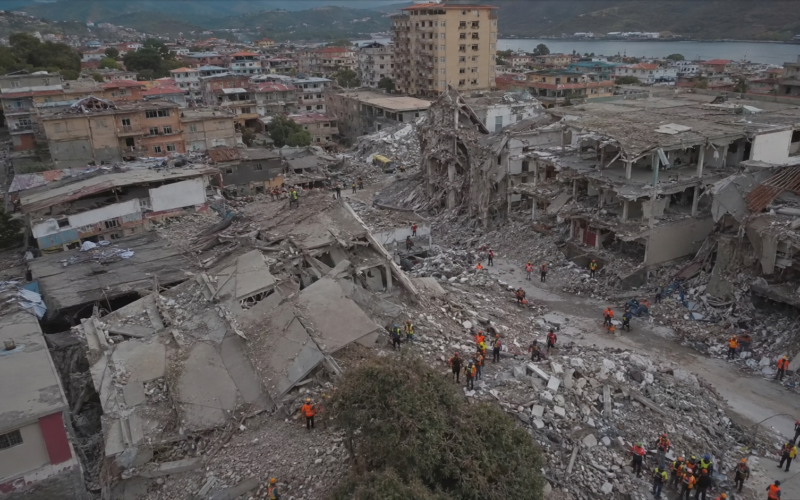
Search and rescue operations continue in Venezuela's La Guaira state following the destructive earthquakes last week. The death toll currently stands at…
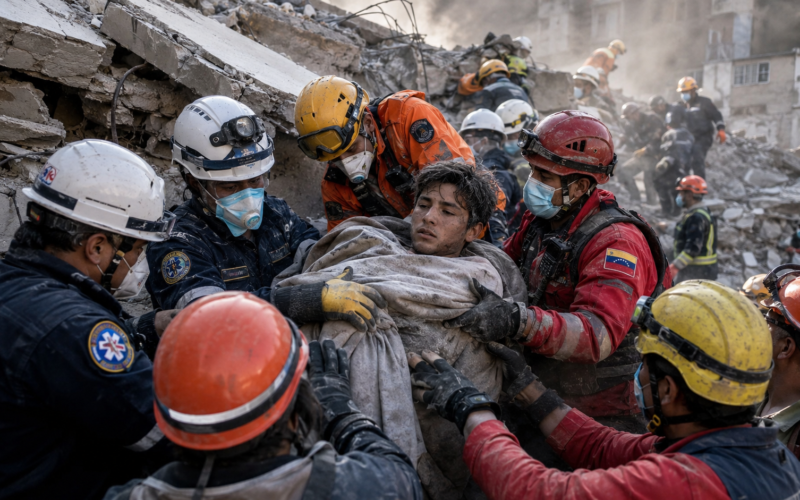
Following the earthquake in Venezuela, an Israeli rescue team has commenced search and rescue operations. Specialists are working in conjunction with local…
Rescue operations continue in the South American country after two powerful underground tremors occurred last week. Authorities report hundreds of fatalities.
📅 June 29, 2026, 09:40
Understanding Venezuela: A Conceptual Overview
Venezuela, a country located on the northern coast of South America, has been a focal point of international interest due to its rich cultural heritage, complex political landscape, and significant social issues. This concept encompasses various dimensions, including its history, socio-economic conditions, and the implications of these factors on global politics and communities, including the Jewish community in Azerbaijan. Understanding Venezuela is crucial for grasping the broader dynamics of Latin America and its interactions with global powers.
Historical Context
The history of Venezuela is marked by a series of significant events that have shaped its national identity. Originally inhabited by indigenous tribes, the area was colonized by the Spanish in the 16th century. Venezuela gained independence from Spain in 1821, largely due to the efforts of historical figures like Simón Bolívar, a key leader in Latin America's struggle for independence.
Throughout the 20th century, Venezuela experienced rapid economic growth, primarily driven by its vast oil reserves, which were discovered in the early 20th century. This wealth led to a period of prosperity, attracting immigrants from various parts of the world, including a notable Jewish population. The Jewish community in Venezuela established itself in the mid-20th century, contributing to the cultural tapestry of the nation.
Political Landscape
In recent decades, Venezuela has faced severe political turmoil, leading to a humanitarian crisis that has seen millions flee the country. The rise of Hugo Chávez in the late 1990s marked a shift towards socialism, characterized by the nationalization of industries and a focus on social welfare programs. However, his controversial policies and subsequent economic mismanagement have led to widespread poverty and political unrest.
The current political situation, under Nicolás Maduro, has been characterized by allegations of electoral fraud, human rights abuses, and the suppression of dissent. This environment has created significant challenges for minority groups, including the Jewish community, which has faced increased anti-Semitism and emigration as a result of the political climate.
Socio-Economic Conditions
Venezuela's economy has been in freefall, exacerbated by fluctuating oil prices and poor economic policies. Hyperinflation has rendered the national currency nearly worthless, leading to shortages of basic goods, including food and medicine. As a result, Venezuela has become one of the countries with the highest rates of emigration in the world, with many seeking refuge in neighboring countries and beyond.
The socio-economic crisis has had a profound impact on the Jewish community in Venezuela. Once thriving, the community has seen a significant decline in its numbers as many members have chosen to leave the country in search of better opportunities. This emigration has led to a weakening of cultural ties and the potential loss of a rich heritage that has contributed to Venezuelan society.
Jewish Community in Venezuela
The Jewish community in Venezuela has a storied history, with roots tracing back to the early 20th century. At its peak, the community included thousands of members, with vibrant cultural and religious life centered around synagogues and community organizations. However, the changing political and economic landscape has posed severe challenges for this community.
In recent years, reports of anti-Semitic incidents have increased, contributing to an atmosphere of fear among Jewish residents. The community has had to navigate the complexities of maintaining its cultural identity while facing external pressures. Organizations such as the Venezuelan Jewish Community (Centro Israelita de Caracas) have worked tirelessly to provide support and maintain Jewish life in the country, despite the challenges.
Global Implications and Interconnectedness
Venezuela's situation has attracted international attention, with various countries and organizations intervening or expressing concern over human rights violations and the humanitarian crisis. The geopolitical implications are significant, as Venezuela's alliances with nations like Russia and China contrast sharply with the interests of the United States and its allies.
The situation in Venezuela also resonates within the context of the Jewish community in Azerbaijan. As a country with a rich Jewish heritage, Azerbaijan has been a refuge for Jews fleeing persecution, including from places like Venezuela. The interconnections between these communities highlight the broader themes of migration, identity, and the preservation of culture amidst adversity.
Current Relevance
As the crisis in Venezuela continues to unfold, its relevance extends beyond its borders. The challenges faced by the Venezuelan people, including the Jewish community, serve as a reminder of the fragility of social and political stability. The ongoing humanitarian crisis has implications for international relations, migration patterns, and the global Jewish diaspora, including those in Azerbaijan.
Furthermore, discussions around Venezuela often intersect with themes of human rights, social justice, and the responsibilities of the international community. The plight of Venezuelans, particularly marginalized groups, calls for increased awareness and action, making it a pertinent topic within global discourse.
Conclusion
Venezuela is a multifaceted concept that embodies a rich history, a complex political landscape, and significant socio-economic challenges. Its relevance extends to various communities, including the Jewish community in Azerbaijan, highlighting the interconnectedness of global issues. Understanding Venezuela's past and present is crucial for fostering dialogue, promoting awareness, and addressing the challenges faced by its citizens. As the situation evolves, it remains imperative to keep a close watch on developments and their implications for the broader international community.
Historical significance of Venezuela in Latin America
Impact of political turmoil on minority communities
Socio-economic challenges and their global implications
Jewish community dynamics in a changing Venezuela
Interconnectedness of global Jewish identities
By exploring these dimensions, one can gain a deeper understanding of Venezuela as a concept and its significance in today's world.