
World
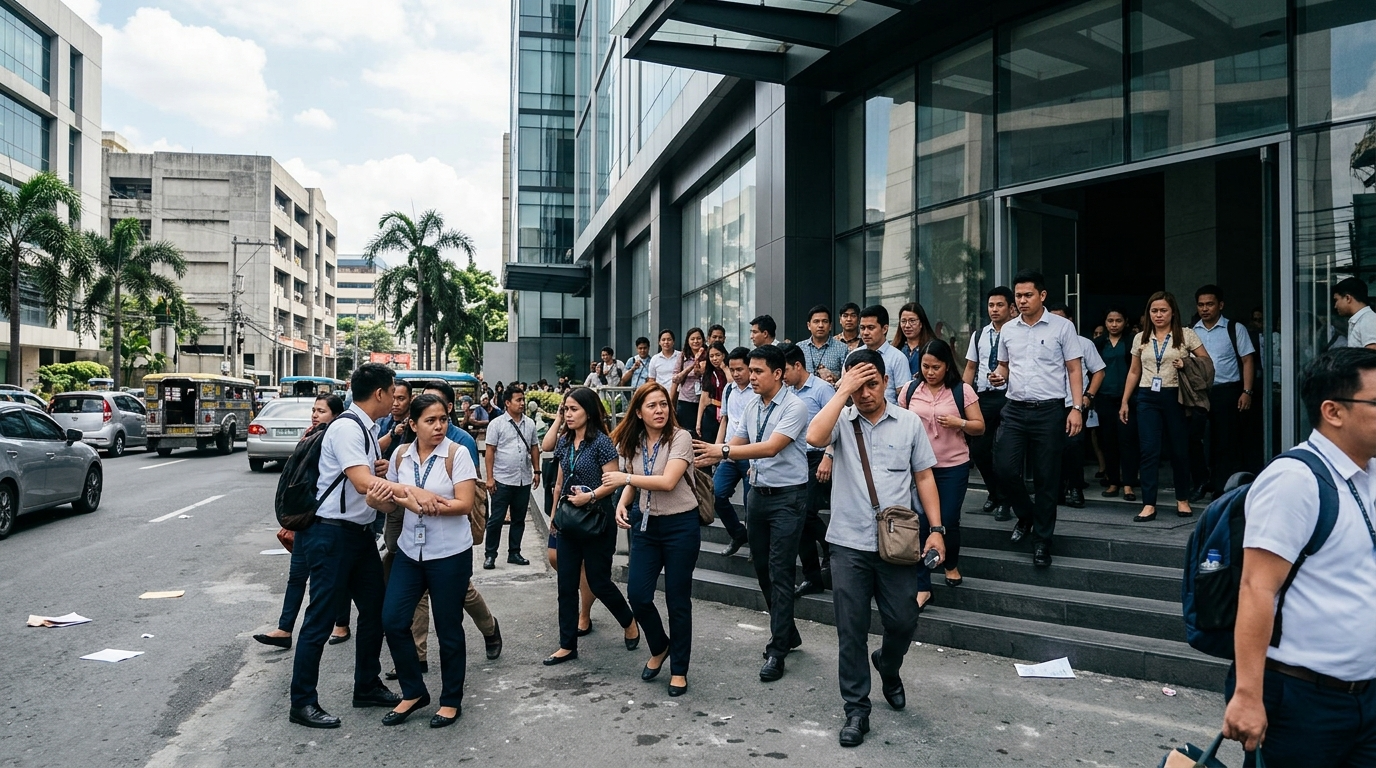
Strong earthquake strikes the Philippines
A 5.8-magnitude earthquake has been recorded off the coast of Occidental Mindoro province in the western Philippines.
📅 August 7, 2026, 13:04
The term "Earthquake" often conjures images of natural disasters, yet it transcends mere geological phenomena. In various cultures, including Jewish traditions, earthquakes symbolize divine intervention, spiritual awakening, and communal resilience. The significance of earthquakes can be seen in historical texts, where they serve as metaphors for upheaval and transformation, reflecting societal changes and challenges. In the context of the Jewish community in Azerbaijan, earthquakes resonate deeply, reminding individuals of their shared history and the strength found in unity during times of crisis.
Recent discussions on our portal highlight the importance of understanding earthquakes not only as natural occurrences but also as pivotal moments that shape cultural narratives. By exploring the interplay between natural disasters and human experiences, we can foster a deeper appreciation for resilience and solidarity within communities, particularly in the face of adversity. As we reflect on these themes, we invite our readers to consider how such events can inspire dialogue and connection across cultures, reinforcing the values that bind us together.
A 5.8-magnitude earthquake has been recorded off the coast of Occidental Mindoro province in the western Philippines.

A magnitude 6.3 earthquake has been recorded off the southern coast of the Philippines. There are no immediate reports of casualties.
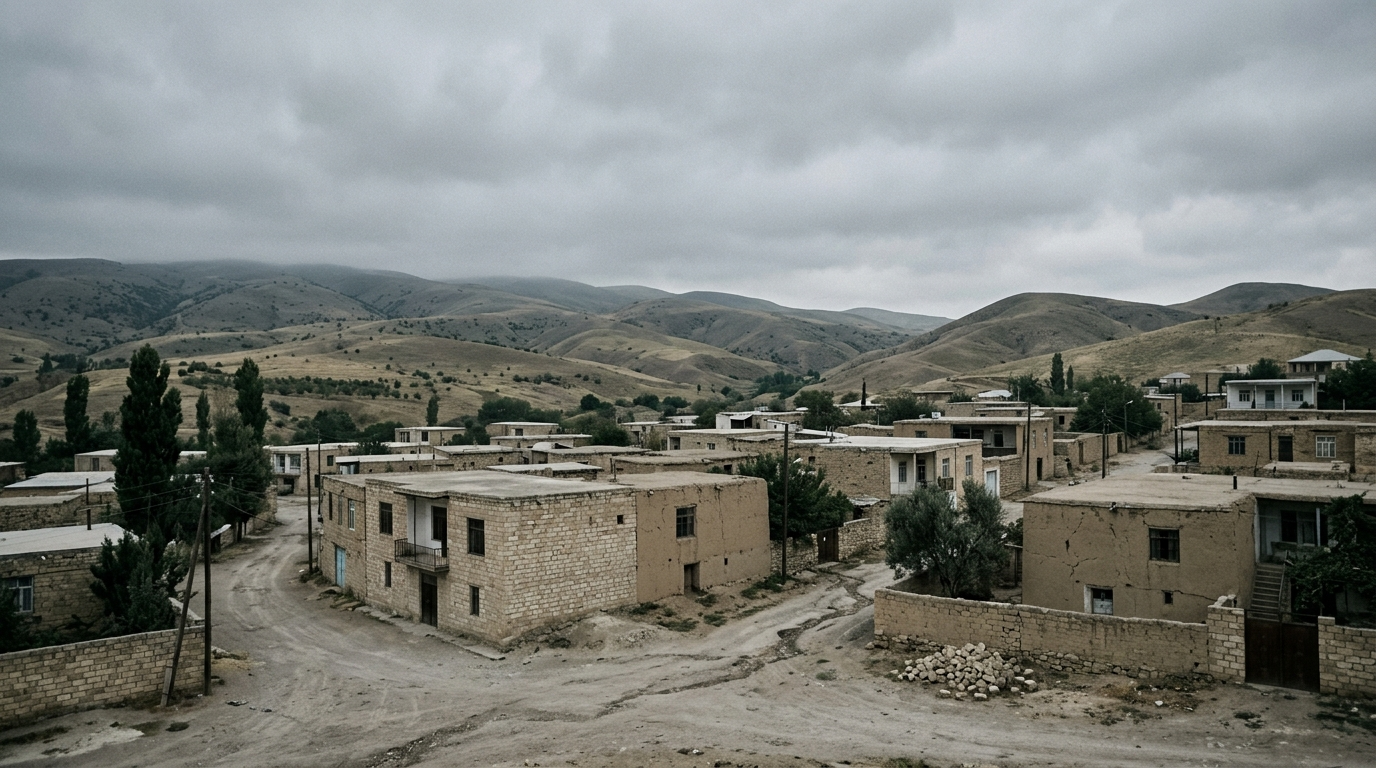
An earthquake was recorded in the Lerik District of southern Azerbaijan. Information regarding potential casualties is being clarified.
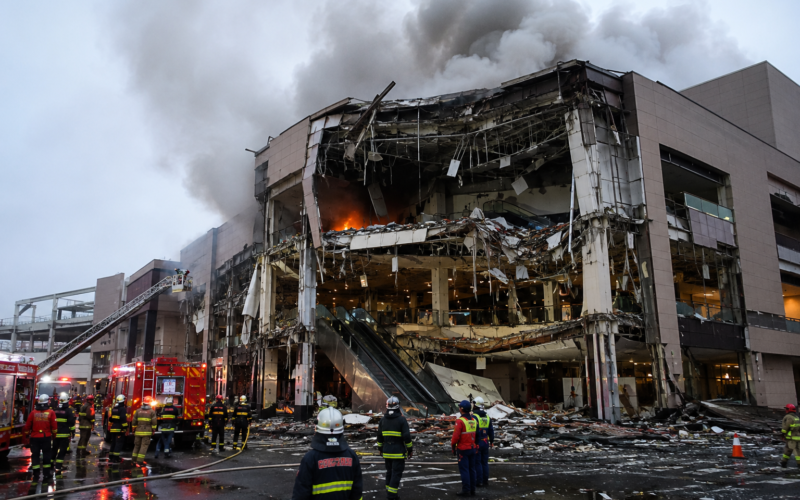
A powerful 7.1-magnitude earthquake in Japan's Kumamoto prefecture has caused widespread destruction.
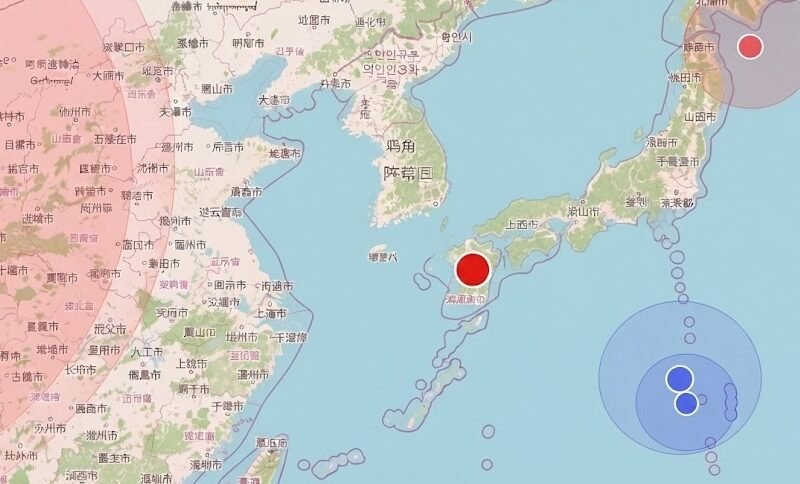
A strong 7.1 magnitude earthquake has struck near Japan's Kyushu island.
A 3.1 magnitude earthquake has occurred in the Shamakhi district. The tremors were not felt by the population.

The Israeli humanitarian aid mission sent to Venezuela following a powerful earthquake has concluded its operations and returned home. Israel has announced…
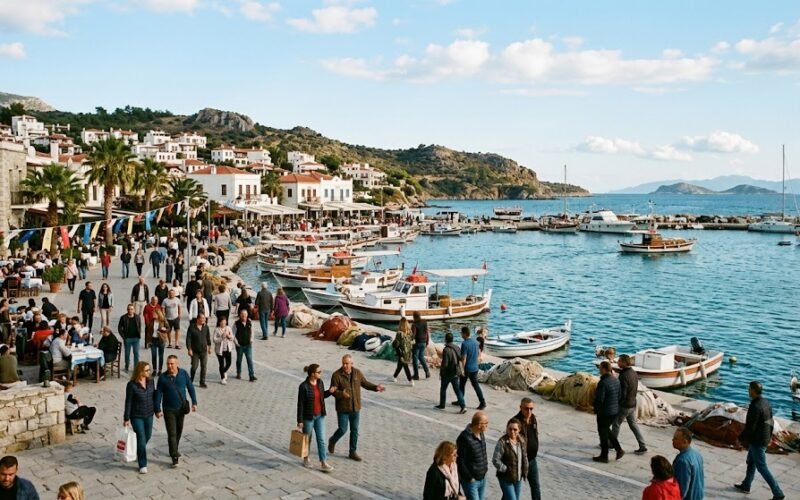
A magnitude 5.3 earthquake has been recorded off the coast of the Datça district in Turkey's Muğla province.
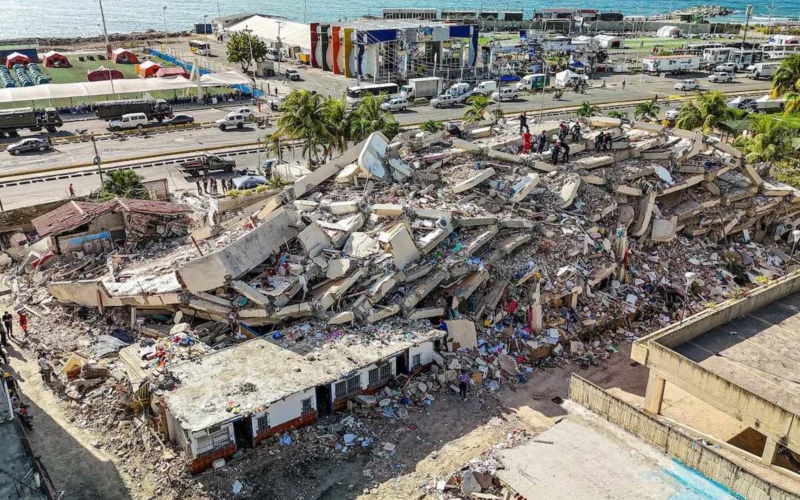
The Venezuelan Jewish community launched a humanitarian aid campaign last week, aiming to raise $2 million to support those affected by the…

President Ilham Aliyev sent a letter of condolence to Delcy Rodríguez, acting President of the Bolivarian Republic of Venezuela, regarding the human…
Earthquakes are natural phenomena that result from the sudden release of energy in the Earth's crust, causing seismic waves. These events can range from minor tremors that go unnoticed to devastating quakes that can lead to significant loss of life and property. The study of earthquakes encompasses various fields, including geology, seismology, and disaster management. Understanding earthquakes is crucial not only for scientific advancement but also for the safety and preparedness of communities, especially those located in seismically active regions.
At its core, an earthquake occurs when there is a sudden shift in the tectonic plates that make up the Earth's surface. The Earth's crust is divided into several large and small plates that float on the semi-fluid mantle beneath them. These tectonic plates are constantly moving, albeit at a slow pace. When the stress on the edge overcomes the friction, there is a release of energy that generates seismic waves, leading to an earthquake.
Seismologists, scientists who study earthquakes, utilize various instruments, such as seismometers, to detect and measure these seismic waves. The magnitude of an earthquake is measured on the Richter scale or the Moment Magnitude scale, which quantifies the energy released. Understanding these scientific principles is essential for predicting potential earthquakes and mitigating their impact on populations.
Throughout history, earthquakes have played a significant role in shaping societies and cultures. Major earthquakes have resulted in the destruction of cities, loss of life, and shifts in political power. One of the most notable historical earthquakes is the 1906 San Francisco earthquake, which not only devastated the city but also led to significant changes in building codes and urban planning.
In the context of the Jewish community in Azerbaijan, historical earthquakes have also influenced migration patterns and community development. For instance, significant seismic events in nearby regions may have prompted Jewish populations to seek refuge in more stable areas, contributing to the demographic changes in Azerbaijan.
The impact of earthquakes on human life cannot be overstated. An earthquake can lead to immediate casualties, long-term psychological effects, and significant economic losses. The aftermath of a significant quake often sees communities struggling to rebuild, with many facing homelessness, loss of livelihoods, and disruption of essential services.
For the Jewish community in Azerbaijan, as with other communities around the world, earthquakes can pose unique challenges. The preservation of cultural heritage, including synagogues and community centers, becomes crucial in the wake of such disasters. The community's resilience is often tested, and the response to an earthquake can foster a sense of unity and collective action among its members.
Preparedness is vital in mitigating the effects of earthquakes. This involves not only government policies and infrastructure planning but also community engagement and education. Awareness of earthquake risks and response strategies can significantly reduce casualties and damage during seismic events.
Recent earthquakes around the globe have highlighted the ongoing need for preparedness and scientific research. For instance, the devastating earthquakes in Turkey and Syria in recent years have drawn international attention to the vulnerabilities of communities in seismic zones. These events have prompted discussions on international aid, disaster relief, and the role of global communities, including the Jewish diaspora, in providing support.
In Azerbaijan, while the country is not as seismically active as its neighbors, there have been instances of minor quakes that remind the population of the importance of preparedness. The Jewish community in Azerbaijan can play a role in fostering resilience by engaging with local authorities and participating in disaster preparedness initiatives.
Earthquakes not only affect the physical landscape but also have profound implications for cultural heritage. In regions with rich historical backgrounds, such as Azerbaijan, earthquakes can threaten ancient sites, synagogues, and places of worship. The preservation of these cultural landmarks is essential for maintaining the identity and history of communities.
The Jewish community in Azerbaijan has a long and storied history, and safeguarding its heritage against the threat of earthquakes is an ongoing challenge. Initiatives aimed at reinforcing historical structures and promoting awareness of cultural preservation can help mitigate the impact of future seismic events.
Earthquakes are a complex and multifaceted phenomenon that significantly impacts societies around the world. Understanding the science behind them, their historical context, and the human experience related to these natural disasters is crucial for building resilient communities. For the Jewish community in Azerbaijan, engaging with earthquake preparedness and cultural preservation can foster a sense of solidarity and continuity in the face of potential challenges.
As the world continues to grapple with the realities of climate change and natural disasters, the need for awareness and proactive measures becomes even more pressing. By learning from past experiences and investing in education and infrastructure, communities can better prepare for the uncertainties of the future.