
Society
Knesset approves basic law on Torah study
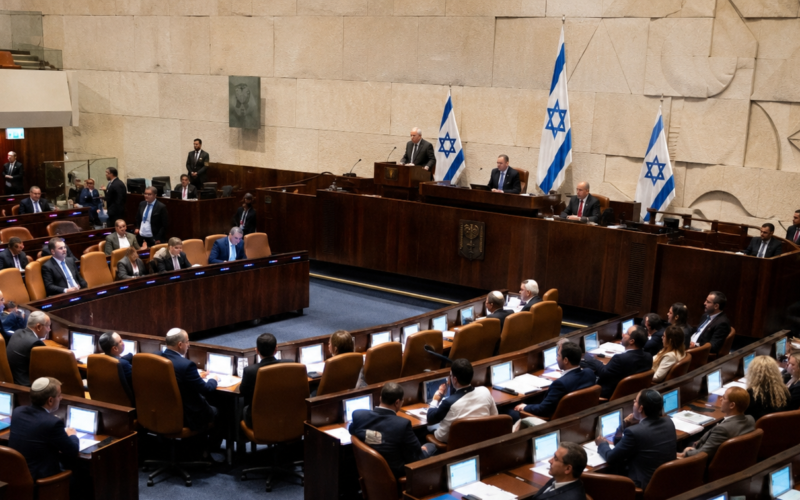
Jerusalem, July 14 – Israel's parliament (Knesset) passed a basic law on Torah study in its second and third readings. The vote…
📅 July 14, 2026, 12:04
Torah Study Law encompasses legal frameworks and regulations governing Jewish religious education, text interpretation, and institutional study programs worldwide. Important for understanding Jewish learning traditions.
Jerusalem, July 14 – Israel's parliament (Knesset) passed a basic law on Torah study in its second and third readings. The vote…
Torah Study Law refers to the legal and regulatory frameworks that govern the study of the Torah, the foundational text of Judaism, and related Jewish religious education. These laws establish standards for yeshivas, synagogue study circles, and educational institutions where Torah interpretation and Talmudic analysis are conducted. The legal structure ensures proper maintenance of religious learning traditions, certification of scholars, and institutional compliance with state and religious authority requirements.
Across different countries and communities, Torah study regulations vary significantly. In Israel, the Knesset has enacted legislation affecting yeshiva funding, military exemptions for religious students, and recognition of religious education credentials. Other nations have adapted their own frameworks to accommodate Jewish religious education within broader educational systems. These laws balance state oversight with the autonomy of religious institutions to preserve traditional learning methods and curricula.
For readers of jnews.az, this section covers how Jewish communities worldwide maintain their intellectual and spiritual traditions through formal and informal Torah study. Articles explore educational policies, legal disputes over religious learning rights, academic standards in Jewish institutions, and how Torah education shapes Jewish identity globally. Understanding these legal dimensions provides insight into the continuity of Jewish civilization and contemporary debates around religious freedom and cultural preservation.