
Society
Knesset approves basic law on Torah study
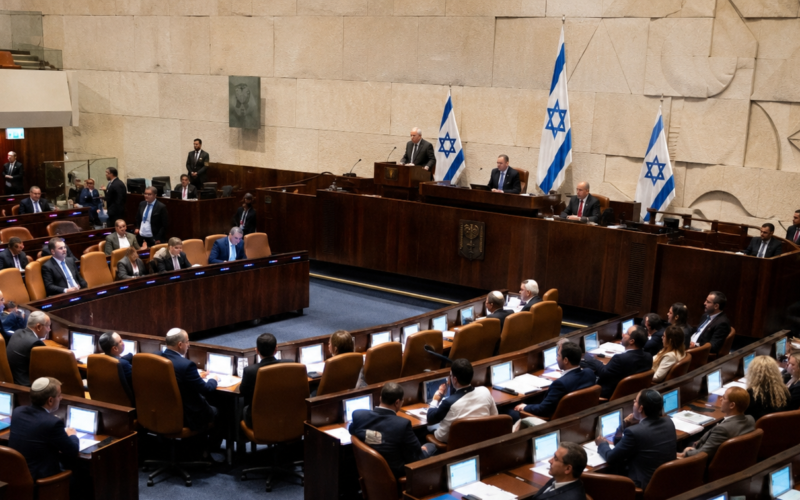
Jerusalem, July 14 – Israel's parliament (Knesset) passed a basic law on Torah study in its second and third readings. The vote…
📅 July 14, 2026, 12:04
Religious schools are educational institutions that integrate faith-based teaching with academic curriculum. This tag covers Jewish schools, yeshivas, and other faith-based educational establishments in the context of Jewish and Israeli communities.
Jerusalem, July 14 – Israel's parliament (Knesset) passed a basic law on Torah study in its second and third readings. The vote…
Religious schools represent a vital segment of Jewish and Israeli education, combining traditional academic subjects with religious instruction and cultural heritage. These institutions, ranging from elementary schools to yeshivas, serve communities worldwide and play a crucial role in preserving Jewish identity and values across generations. In Azerbaijan, Jewish communities maintain educational facilities that similarly blend secular and religious curricula.
Jewish religious schools vary widely in their approach, philosophy, and emphasis on religious study. Some focus heavily on Torah and Talmud alongside modern subjects, while others maintain a balanced integration of both. Yeshivas, historically Eastern European institutions, continue to function as centers of advanced Jewish learning. These schools address not only academic achievement but also character development, ethical training, and preparation for Jewish adulthood through coming-of-age ceremonies like bar and bat mitzvah.
The section covers news, developments, and issues related to religious educational institutions, including curriculum debates, enrollment trends, funding questions, and the role these schools play in strengthening Jewish and Israeli communities. Readers will find reports on educational initiatives, policy discussions, and stories highlighting how religious schools maintain Jewish heritage and prepare students for modern life.