

World
Kyiv Reports Results of Strikes on Russia’s Strategic Facilities
Kyiv, July 12 - Ukraine's Armed Forces General Staff reported a series of strikes against Russian military and energy infrastructure.
📅 July 12, 2026, 11:09
Kyiv, July 12 - Ukraine's Armed Forces General Staff reported a series of strikes against Russian military and energy infrastructure.
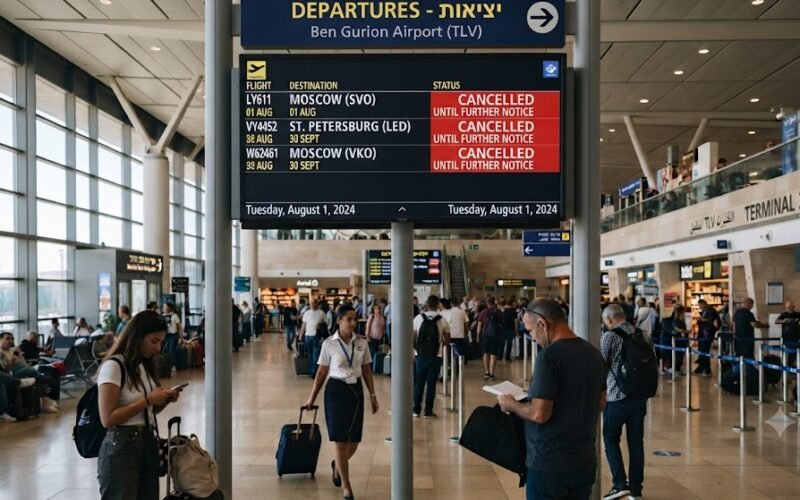
Israel's national carrier El Al has extended the suspension of its Moscow flights until the beginning of September.

The next batch of transit cargo from Russia to Armenia continues to be delivered through Azerbaijani territory.
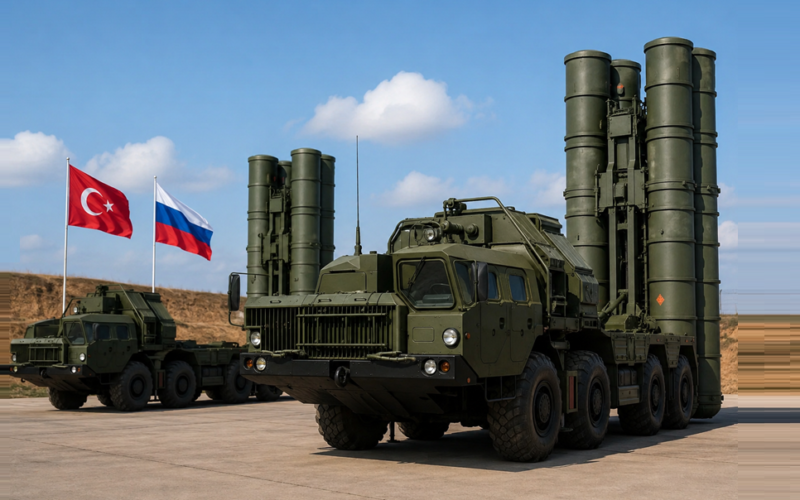
Turkey's S-400 air defense systems acquired from Russia are reportedly being sold to a third country. According to reports, the sale process…

Russian President's spokesman Dmitri Peskov called NATO's assessment of Russia as a "long-term threat" to Euro-Atlantic security an aggressive move against Moscow.

US President Donald Trump said his relations with Ukrainian counterpart Vladimir Zelensky have become better than before.
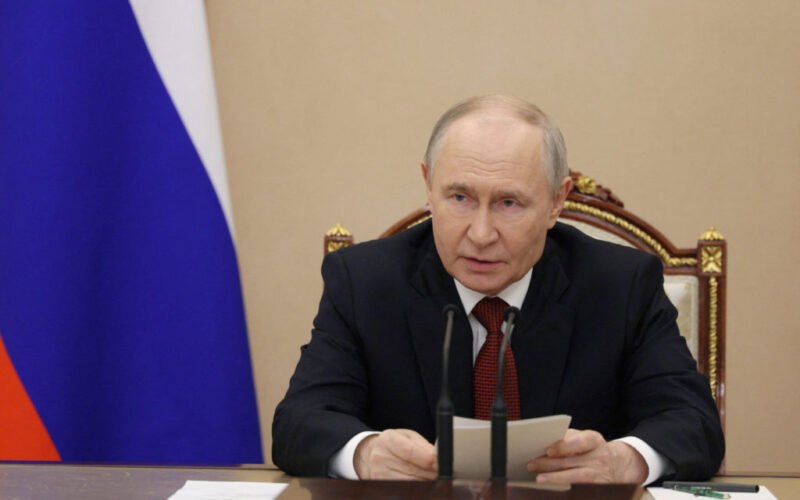
Russian President Vladimir Putin met with government officials to discuss the impact of Ukraine's recent unmanned aerial vehicle attacks on the country's…
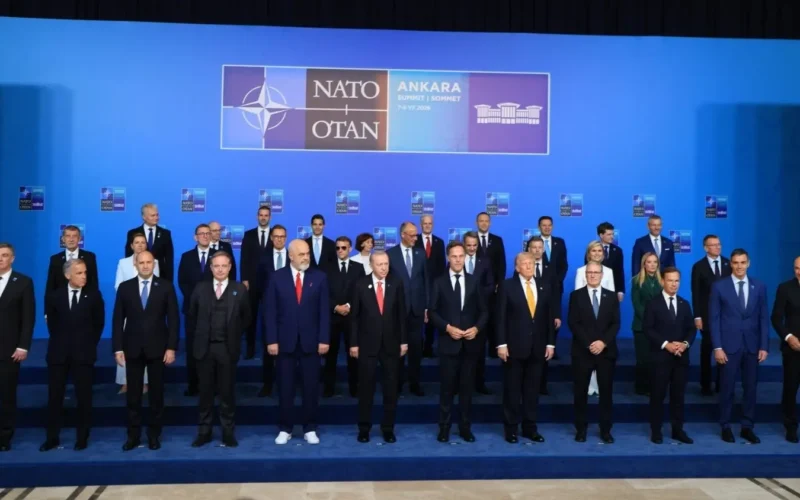
The NATO Leaders Summit in Ankara concluded with the adoption of its final document — the "Ankara Declaration." Allies pledged more than…
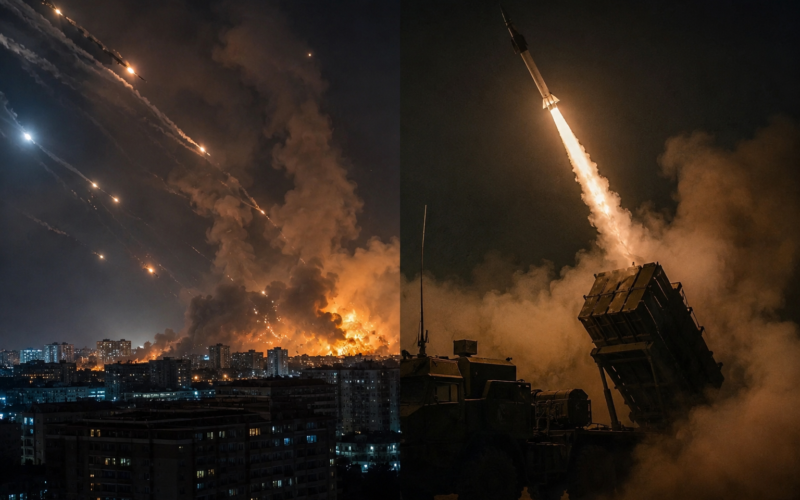
Mutual air strikes between Russia and Ukraine show no signs of slowing. On the night of July 8, both sides launched large-scale…

Russian forces launched another missile strike on Ukraine's capital Kyiv during the night of July 8. The attack resulted in at least…
Russia is one of the largest countries in the world, possessing a rich historical, cultural, and ethnic diversity. From its formation to the present day, Russia has played a key role on the international stage, influencing political, economic, and cultural processes in various regions, including the Caucasus and, in particular, Azerbaijan. The importance of Russia for the Jewish community of Azerbaijan and the world cannot be overstated, considering the centuries-old ties, historical events, and cultural exchanges.
The Jewish community in Russia has a long and complex history, dating back to the 13th century. Throughout the centuries, Jews faced various forms of discrimination and persecution; however, they also managed to make significant contributions to the cultural and economic development of the country. In the 19th century, during the reign of Alexander II, Jews began to gain some rights, which facilitated their integration into Russian society.
By the mid-20th century, approximately 3 million Jews lived in Russia, making it one of the largest Jewish communities in the world. After the collapse of the Soviet Union in 1991, the Jewish community in Russia continued to exist, but many Jews began to emigrate to Israel and other countries.
The Jewish community of Azerbaijan has a unique history connecting it to Russia. During the Russian Empire, when the Caucasus became part of Russia, Jews living in this region began to form their communities. Azerbaijan became home to various Jewish groups, including Mountain Jews and Ashkenazim. These communities actively participated in the economic and cultural life of the country.
With the establishment of Soviet power in the 1920s, the Jewish community of Azerbaijan continued to develop. During this time, synagogues, schools, and cultural centers were opened. Despite difficult times, the Jewish community preserved its traditions and customs, actively participating in intercultural dialogue with other ethnic groups.
Modern relations between Russia and Azerbaijan can be characterized as a strategic partnership. Russia plays an important role in the political and economic life of Azerbaijan, which is significant for the Jewish community. Russia's support in various aspects, such as security, economy, and cultural cooperation, creates opportunities for the development of the Jewish community in Azerbaijan.
Cultural ties between Russia and the Jewish community of Azerbaijan manifest in various aspects. In recent years, there has been a growing interest in Jewish culture and traditions both in Russia and Azerbaijan. This is also related to an increase in cultural events, exhibitions, concerts, and festivals that strengthen the ties between the two countries.
Intercultural dialogue between representatives of the Jewish community and other ethnic groups in Azerbaijan is also actively developing. This allows for the exchange of experiences, traditions, and cultural values, which, in turn, fosters social cohesion and mutual understanding.
Diplomatic relations between Russia and Azerbaijan are of great importance for the Jewish community. Russia, being one of the countries with which Azerbaijan maintains close ties, helps to protect the rights and interests of the Jewish people. This is especially relevant in light of the modern challenges faced by the Jewish community in various countries.
Russian Jewish organizations also actively support their colleagues in Azerbaijan, providing assistance in cultural and educational initiatives. This promotes the preservation of Jewish heritage and traditions, as well as the development of new forms of cultural expression.
The future of the Jewish community in both Russia and Azerbaijan depends on numerous factors, including political stability, economic development, and social changes. It is important for the Jewish community to continue actively participating in societal life while preserving its traditions and customs, as well as developing intercultural dialogue with other ethnic groups.
In the context of globalization and migration processes, the Jewish community must adapt to new challenges while maintaining its identity and cultural values. Cooperation between Russia and Azerbaijan can become an important factor in this process, providing support and opportunities for the development of the Jewish community.
Thus, Russia, as a country with rich historical and cultural traditions, plays an important role in the life of the Jewish community in Azerbaijan. Historical ties, cultural exchanges, and diplomatic relations create a foundation for further development and strengthening of Jewish identity in the region. It is essential to continue supporting and developing these connections to ensure the prosperity and well-being of the Jewish community in the future.