
One of the most key consequences of the Iran war could be a shift in how energy-importing countries approach energy security. The central question is how states can reduce external energy dependence while doing so in an economically efficient and politically acceptable way.
A Reuters analytical article notes that two different approaches have emerged on this topic. One side believes the war has highlighted the need to accelerate the transition to renewable energy sources and electric vehicles. The other side advocates for boosting oil and gas production outside the Middle East to ensure energy security.
Strait of Hormuz becomes a new source of risk
Following military operations launched by the US and Israel on February 28, the Strait of Hormuz was effectively closed. Prior to the war, this strategic waterway supplied approximately 20 percent of global crude oil, petroleum products, and liquefied natural gas.
The analysis highlights that although markets expect the strait to reopen in the future, risks in the region have increased significantly over the past five months. Experts believe Iran may retain certain capabilities to influence the movement of vessels passing through this route in the future.
Australian example: oil refinery or electrification?
Reuters cites Australia as an example of the dilemma facing energy importers. The country meets about 80 percent of its liquid fuel demand through imports, and only two out of the eight oil refineries operating in recent decades remain.
For this reason, the Australian government has begun exploring the possibility of constructing a new oil refinery in Western Australia. The project cost is projected at approximately 12 billion US dollars.
However, experts note that such a plant does not fully solve the energy security issue, as the country would become dependent on crude oil imports instead of refined petroleum products.
Electrification gains momentum
Analysts believe that electrification could be a more sustainable long-term solution.
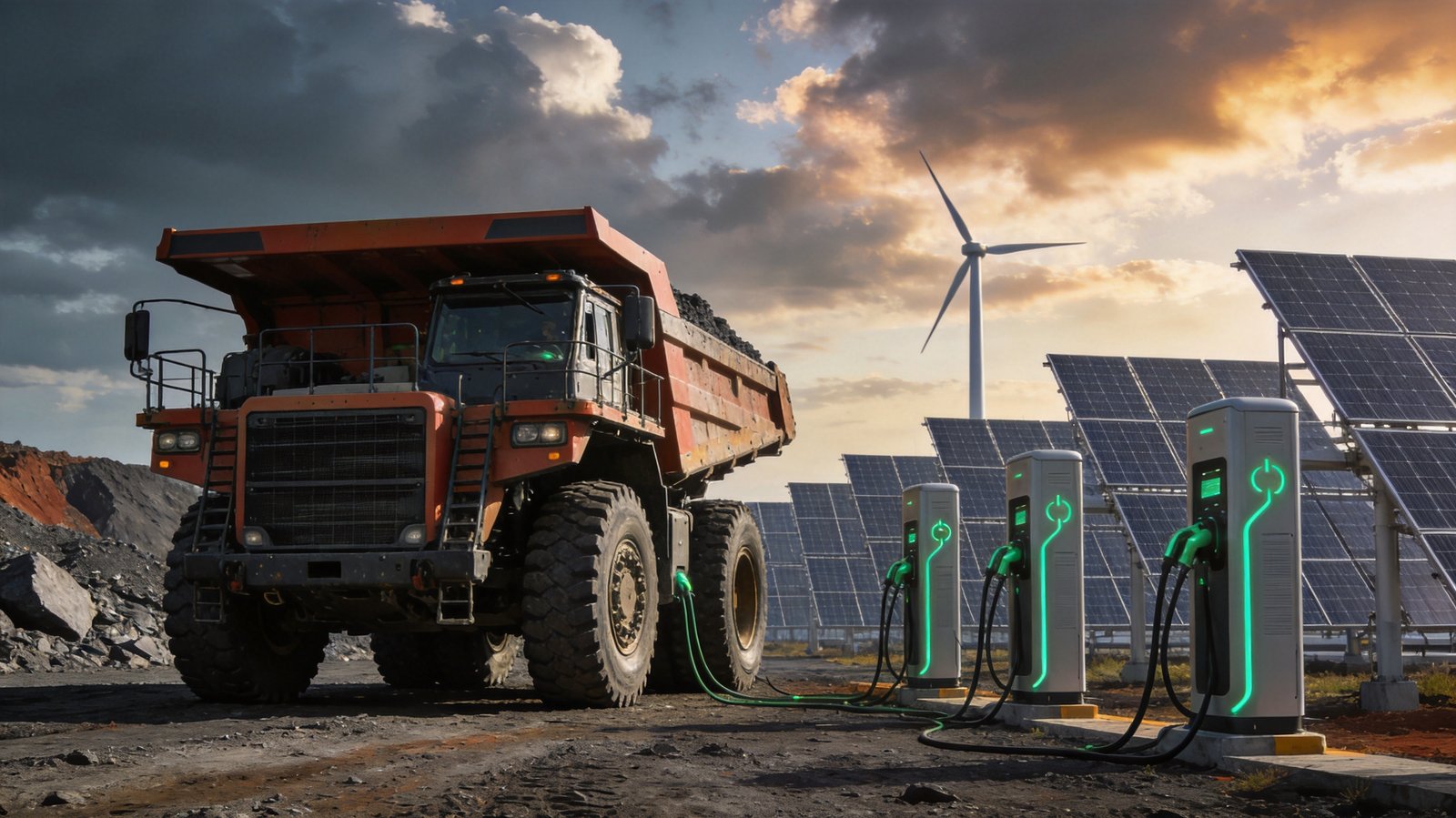
The article states that major Australian mining company Fortescue Metals Group saves approximately 1.2 billion Australian dollars per year by using electric mining equipment and renewable energy.
At the same time, sales of electric and hybrid vehicles are growing rapidly in the country. In July, cars in this category accounted for nearly half of total sales, reflecting rising consumer concerns over fuel security.
Hybrid model considered most realistic way forward
According to Reuters' analytical assessment, the optimal approach is the parallel development of both directions. On one hand, maintaining a certain capacity of domestic oil refining can reduce short-term energy risks; on the other hand, accelerating electrification will significantly reduce dependence on imported fuel in the long term.
The article highlights that Vietnam, Indonesia, and Thailand are also accelerating their transition to electric vehicles and electric transport.
Analytical conclusion
The Iran war demonstrated that energy security is no longer measured solely by the volume of oil reserves. The primary priority is the diversification of energy sources and supply routes. In the coming years, most energy-importing countries are expected to try both to preserve traditional fuel infrastructure and to accelerate electrification. This approach could emerge as the key model for energy security in the new geopolitical reality.