
World
Japan Protests to Russia Over Putin’s Visit to Kuril Islands
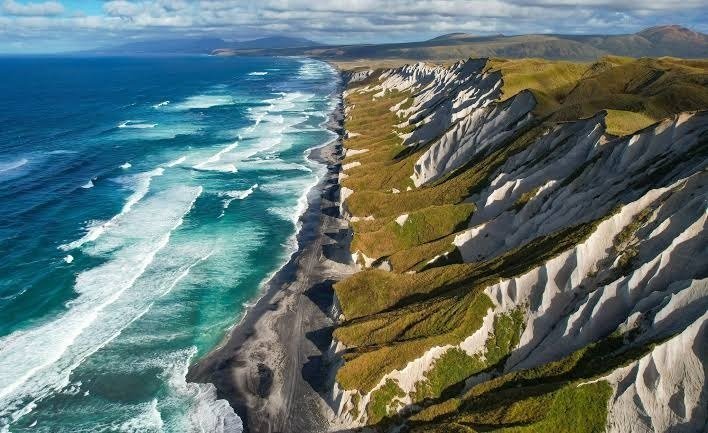
Russian President Vladimir Putin visited Iturup Island as part of a working trip to Siberia and the Far East. Japan's Ministry of…
📅 August 13, 2026, 09:14
Vladimir Putin is a prominent world leader. This section covers his political career, key decisions, and interactions relevant to Jewish and Israeli affairs, and Azerbaijan.
Russian President Vladimir Putin visited Iturup Island as part of a working trip to Siberia and the Far East. Japan's Ministry of…
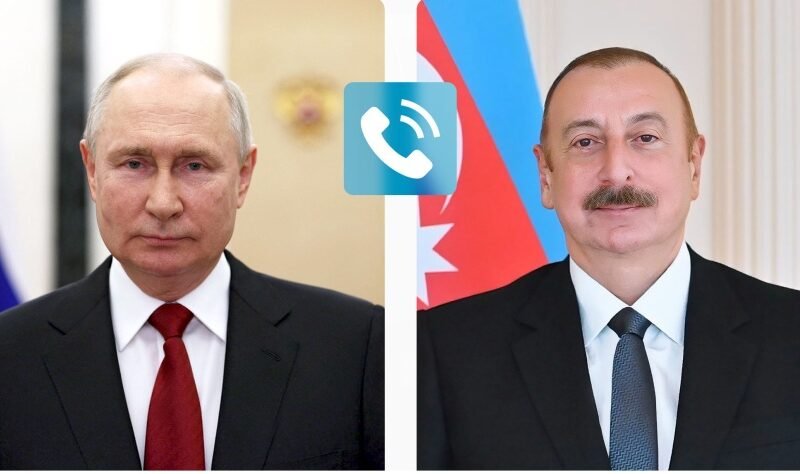
On July 28, President of the Russian Federation Vladimir Putin made a phone call to President of the Republic of Azerbaijan Ilham…
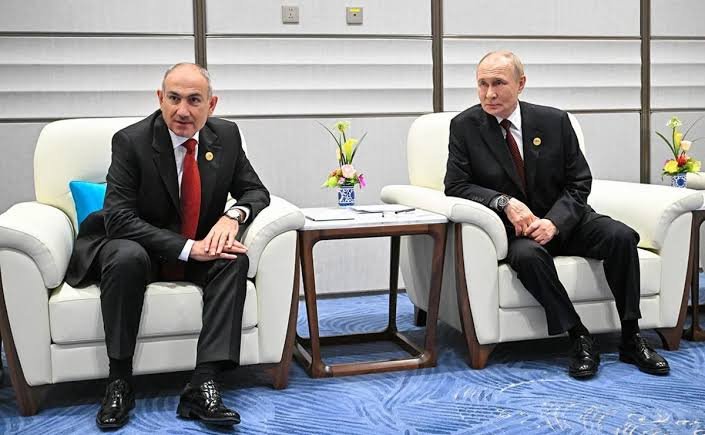
Armenian Prime Minister Nikol Pashinyan held a telephone conversation with Russian President Vladimir Putin.
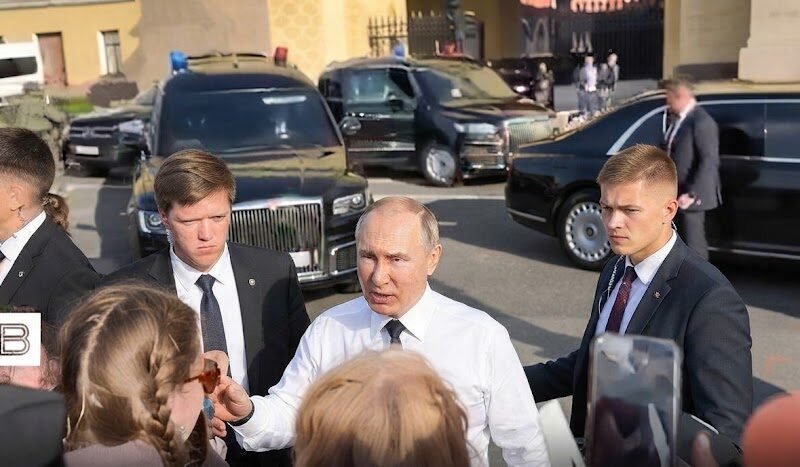
Russian President Vladimir Putin made an unexpected stop following the official Navy Day ceremony at the Admiralty to greet people gathered in…
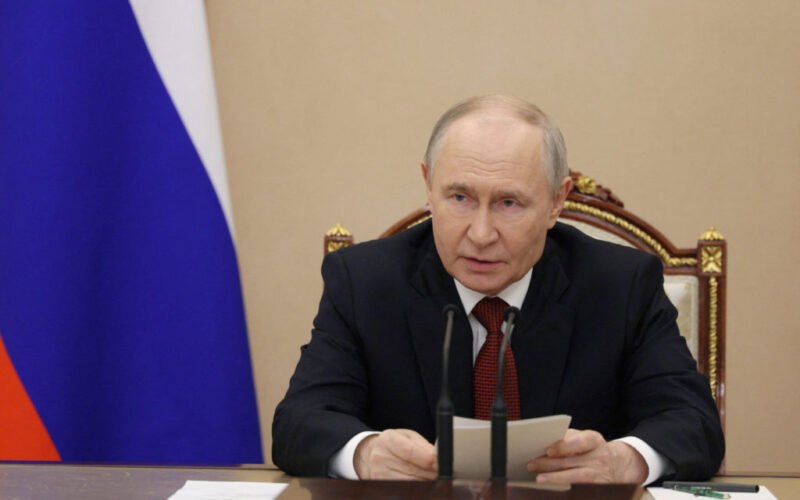
Russian President Vladimir Putin met with government officials to discuss the impact of Ukraine's recent unmanned aerial vehicle attacks on the country's…
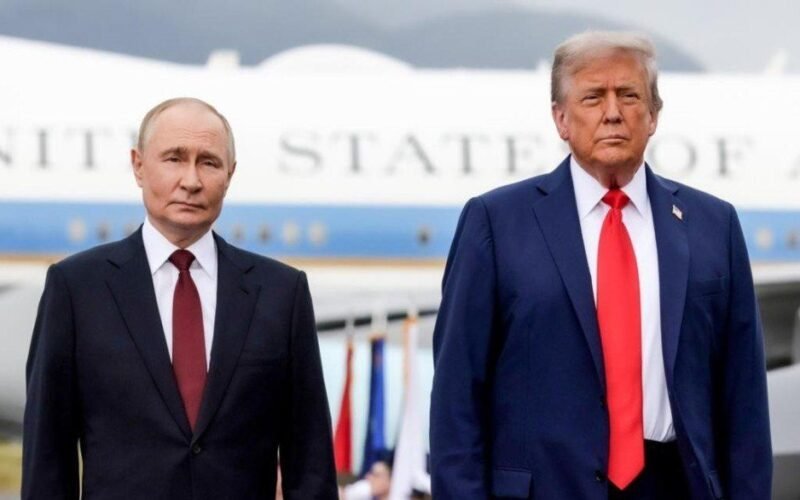
Russian President Vladimir Putin and US President Donald Trump held a telephone conversation.
Discussions regarding internal political stability and the future of power in Russia have resurfaced. President Vladimir Putin's rule may face serious challenges…
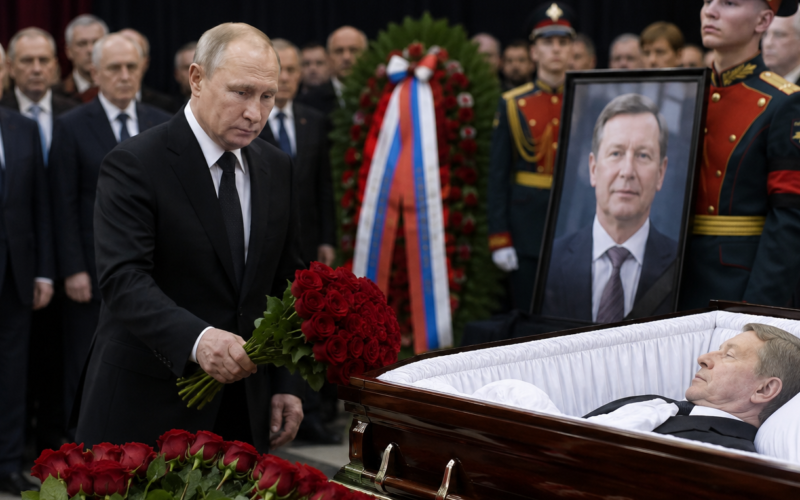
Russian President Vladimir Putin attended the farewell ceremony for former Defense Minister Sergei Ivanov on June 30.
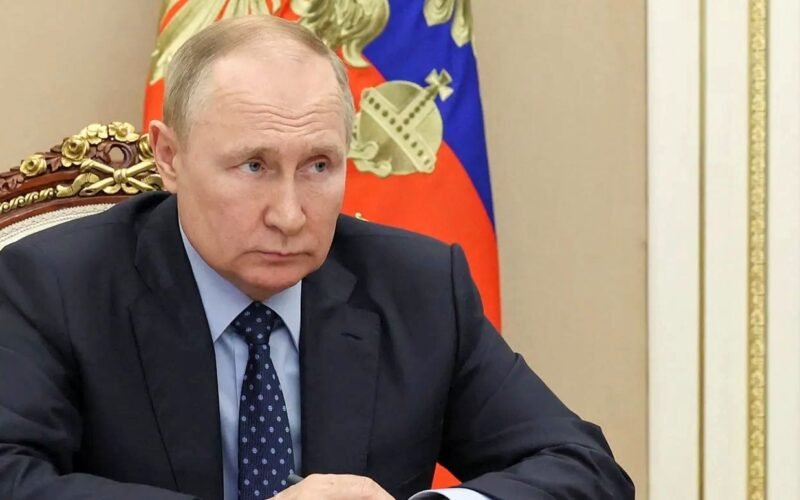
Russian President Vladimir Putin has stated that Moscow is ready to begin peace talks with Ukraine within the framework of the agreements…
Vladimir Vladimirovich Putin has served as the President of Russia since 2012, previously holding the position from 2000 to 2008. He also served as Prime Minister from 1999 to 2000 and again from 2008 to 2012. A former KGB intelligence officer, Putin's political career began in the 1990s in Saint Petersburg before he moved to Moscow in 1996 to join President Boris Yeltsin's administration. His leadership has been characterized by significant changes in Russia's domestic and foreign policy, shaping its role on the international stage.
Putin's relationship with the Jewish community and Israel has been a subject of international attention. He has frequently engaged with Russian Jewish leaders and has maintained diplomatic ties with Israel, often navigating complex geopolitical landscapes in the Middle East. Russia's foreign policy under Putin has a considerable impact on the region, including its involvement in conflicts and its relations with various state and non-state actors. Furthermore, Russia and Azerbaijan share historical ties and maintain active diplomatic and economic relations, which sometimes intersect with broader regional and international developments, including those concerning Israel and the wider Jewish diaspora.
In this section of jnews.az, readers will find comprehensive coverage of Vladimir Putin's activities, statements, and policies that are relevant to the Jewish world, the State of Israel, and the Republic of Azerbaijan. This includes analyses of his administration's decisions, reports on diplomatic exchanges, and the implications of Russia's foreign policy on the region, providing insights into a leader whose influence extends across multiple critical geopolitical dimensions.