Power Transition
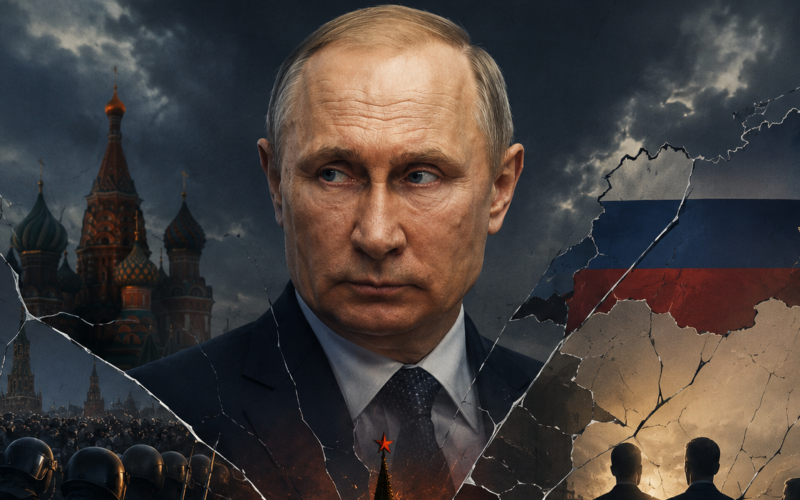
Power transition refers to the complex and often critical process by which leadership or control shifts from one individual, group, or political party to another. This can occur through various mechanisms, including democratic elections, constitutional successions, coups, or revolutionary movements. The nature of a power transition can significantly impact a state's stability, its domestic policies, and its international relations. Peaceful and orderly transitions are often hallmarks of mature democratic systems, while contentious or violent changes in power can lead to instability, conflict, and humanitarian crises. Understanding these dynamics is crucial for analyzing political developments worldwide.
For Israel, power transitions within its own government are a regular feature of its parliamentary democracy, often involving coalition building and electoral contests. Changes in leadership in neighboring countries or key international players also directly influence Israel's security and foreign policy considerations. Similarly, Azerbaijan, as an independent state in a strategically important region, experiences its own forms of power transition, which are vital for its internal governance and its geopolitical standing. The relationship between these nations and their respective experiences with leadership changes are often topics of interest for jnews.az readers, particularly regarding how such shifts affect regional stability and bilateral relations.
This section on jnews.az provides in-depth coverage of various power transitions globally, with a focus on their implications for Jewish communities, Israel, and Azerbaijan. Readers will find analyses of electoral outcomes, leadership successions, and political shifts that shape the current geopolitical landscape. The articles delve into the mechanisms of these transitions, the key figures involved, and the potential impacts on policy, economy, and international diplomacy. Our goal is to offer factual, unbiased reporting and analysis to keep our audience informed about these pivotal moments in political life.