
World
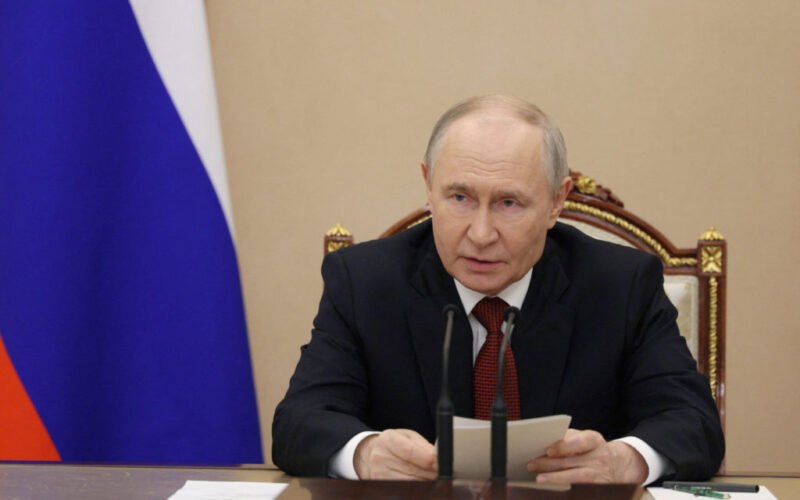
Putin holds meeting on fuel crisis
Russian President Vladimir Putin met with government officials to discuss the impact of Ukraine's recent unmanned aerial vehicle attacks on the country's…
📅 July 8, 2026, 20:03
Fuel crisis. Explore articles on global and regional fuel shortages, their causes, economic impacts, and implications for Israel and Azerbaijan.
Russian President Vladimir Putin met with government officials to discuss the impact of Ukraine's recent unmanned aerial vehicle attacks on the country's…
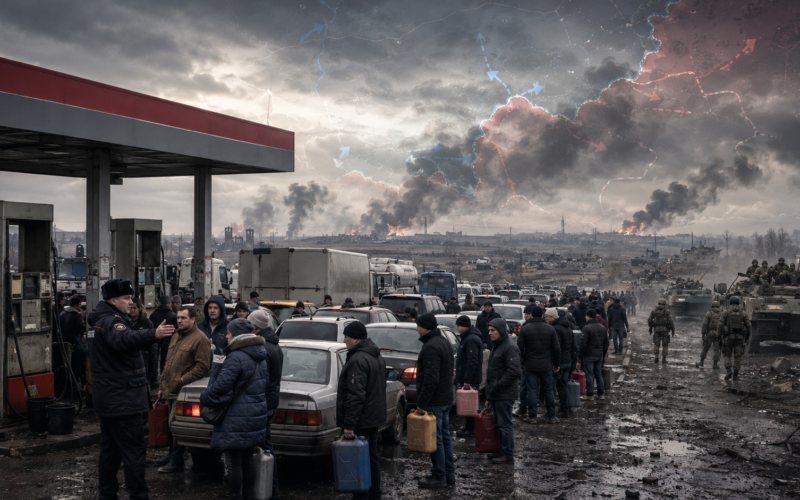
Russia's fuel infrastructure is facing a large-scale crisis that is becoming critical. Despite official statements about "no problems" and directives to stabilize…
A fuel crisis refers to a situation where there is a shortage of fuel, either globally or regionally, leading to significant disruptions in daily life and economic activities. These crises can be triggered by various factors, including geopolitical events, natural disasters, refinery shutdowns, increased demand, or disruptions in supply chains. The economic ramifications are often severe, encompassing rising prices for consumers and businesses, inflation, reduced transportation capabilities, and potential slowdowns in industrial output. Governments often respond with measures such as rationing, price controls, or seeking alternative energy sources to mitigate the impact on their populations and economies.
For Israel, a nation heavily reliant on energy imports, a global fuel crisis can pose significant national security and economic challenges. While the country has been developing its natural gas reserves, its liquid fuel supply remains crucial for transportation and various industrial sectors. Azerbaijan, as a significant oil and gas producer and exporter, experiences a different dynamic. While it benefits from higher prices during a crisis, it also navigates the complexities of global energy markets and its role as a stable energy partner. Readers of jnews.az will find comprehensive coverage of fuel crises, examining their international context, their specific effects on Israel and the broader Middle East, and how these events resonate within Azerbaijan's energy landscape and its socio-economic fabric. Our reports aim to provide factual analysis of market trends, policy responses, and the broader implications for Jewish communities and regional stability.