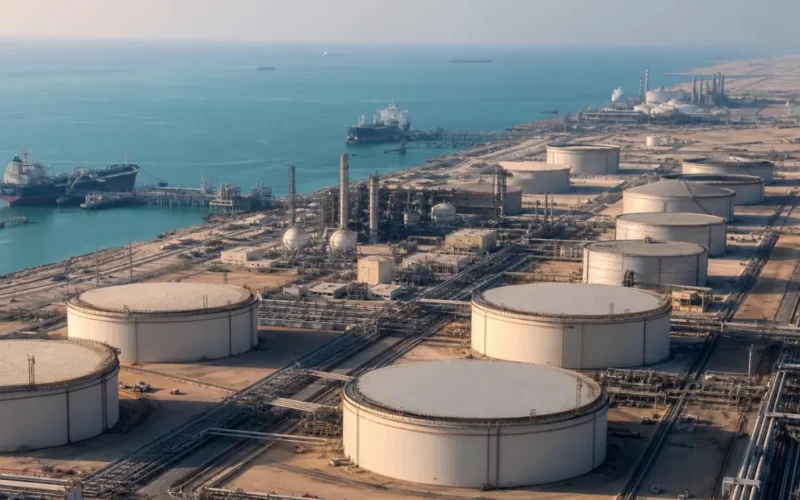
Oil Infrastructure
Oil infrastructure refers to the comprehensive network of facilities, pipelines, refineries, terminals, and storage systems that enable the extraction, processing, transportation, and distribution of crude oil and petroleum products worldwide. This sector includes offshore drilling platforms, onshore production sites, tanker fleets, pipeline networks, and strategic reserves that connect producers to global markets and consumers.
The infrastructure is vital to modern economies, affecting energy security, geopolitical relationships, and economic stability. Developments in oil infrastructure often intersect with regional politics, environmental concerns, and international relations. The Middle East, including countries near Azerbaijan's sphere of influence, remains central to global energy security and pipeline politics.
In the Caucasus region, oil infrastructure has played a significant historical and contemporary role in economic development and regional dynamics. JNews.az covers stories related to energy infrastructure, supply chain developments, technological advances in extraction and refining, environmental impacts, and how oil industry trends affect geopolitical relations, investment flows, and economic policy in the region and globally.