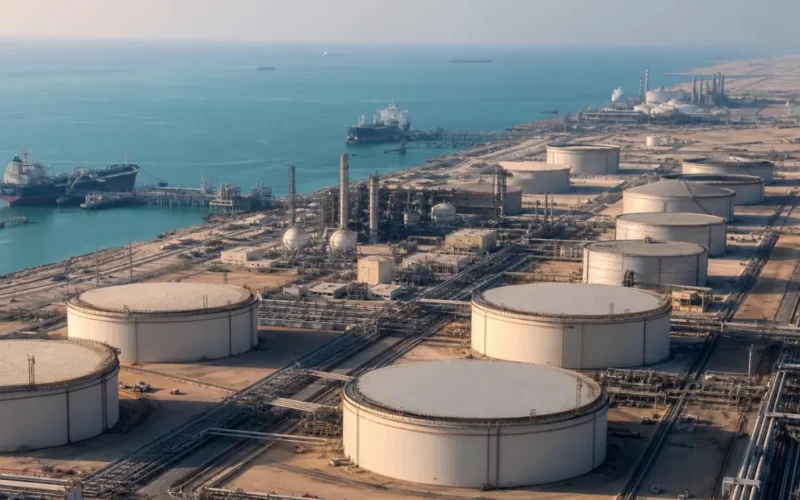
Oil Exports
Oil exports represent the international trade of petroleum products between countries and represent a cornerstone of the global energy economy. For resource-rich nations, particularly those in the Caucasus and Middle East, oil exports serve as a primary source of government revenue and economic development. The dynamics of oil markets—including price fluctuations, production levels, and export agreements—significantly influence both domestic economies and international relations.
Azerbaijan has historically played an important role in oil production and exports, with petroleum revenue funding national development projects. The country's oil sector connects to broader Middle Eastern and global energy policies, affecting trade relationships with neighboring regions and international markets. Oil export revenues impact infrastructure, healthcare, and education investments within Azerbaijan.
This section covers oil export policies, market trends, production reports, and trade agreements affecting petroleum-exporting nations. Readers will find analysis of how oil markets influence geopolitical relationships, sanctions regimes, and energy security debates relevant to the Jewish and Israeli perspective on regional stability and economic development in the Middle East and Caucasus.