
VIDEO
World
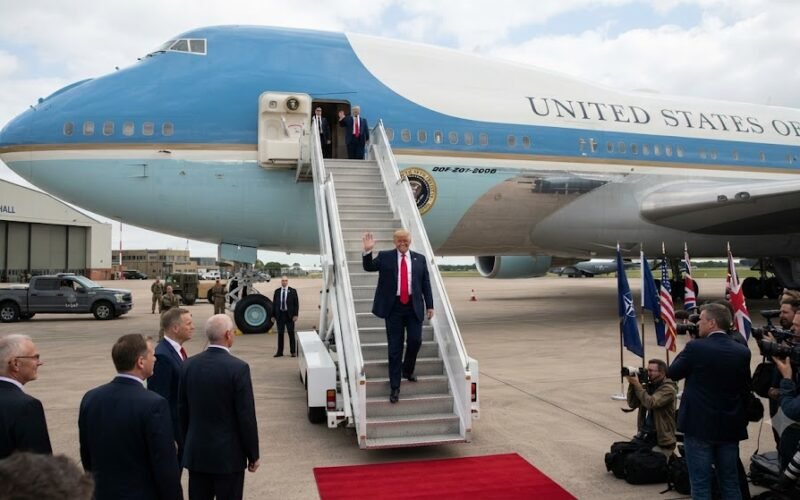
Trump returns from NATO summit in old Air Force One
US President Donald Trump arrived at the NATO summit in a new aircraft gifted by Qatar to the US, but departed the…
📅 July 9, 2026, 14:08
US President Donald Trump arrived at the NATO summit in a new aircraft gifted by Qatar to the US, but departed the…
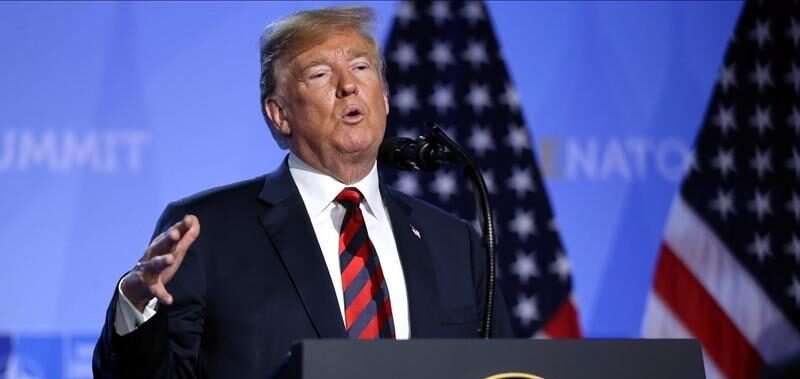
He stated that the US struck Iran hard last night and similar operations could be carried out tonight.
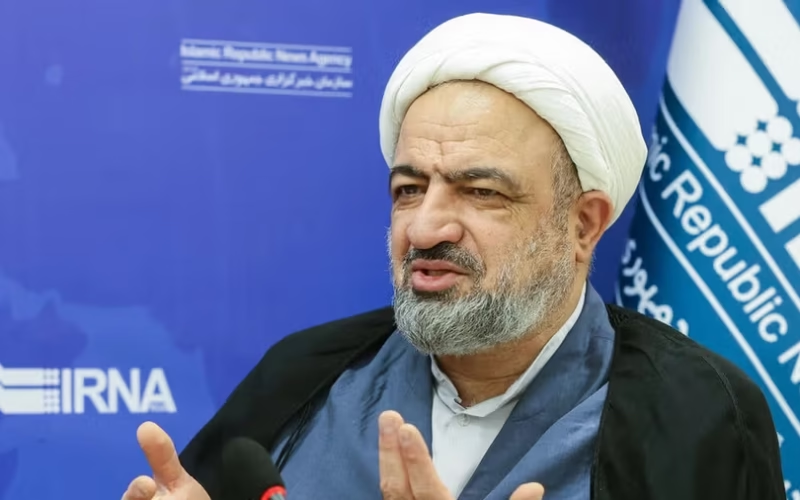
Iranian parliament member Hamid Rasaei, known for his hardline positions, posted an open threat against US President Donald Trump on social media.
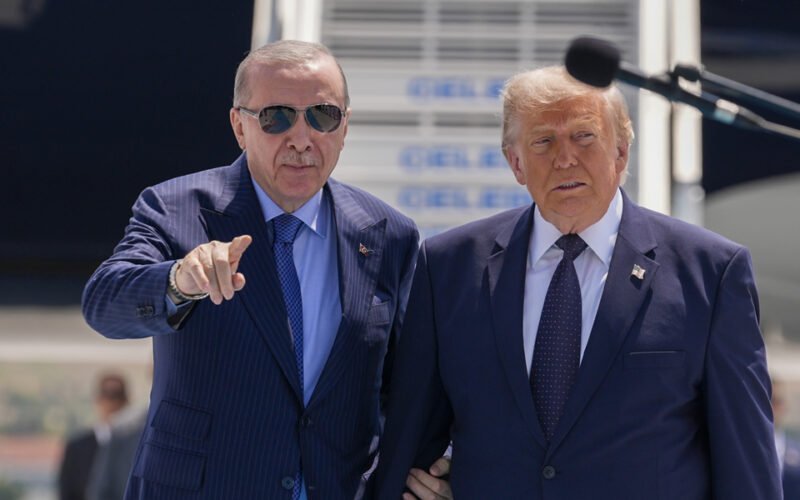
US President Donald Trump has arrived in Turkey's capital Ankara to attend the NATO summit.

The menu served to U.S. President Donald Trump aboard his aircraft during his trip to Turkey for the NATO Summit in Ankara…
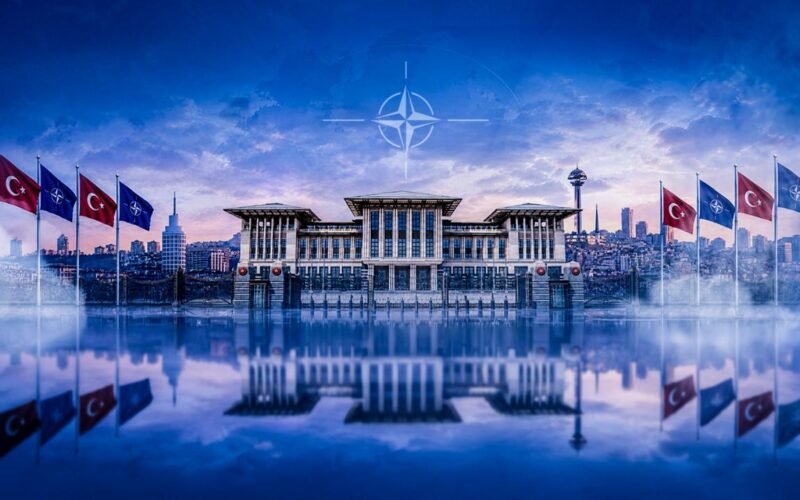
NATO's next summit is being held in Ankara, Turkey's capital, on July 7-8. The event marks the first NATO summit hosted by…

US President Donald Trump will hold bilateral talks with Ukrainian counterpart Volodymyr Zelensky during NATO's July 7-8 summit in Ankara. The meeting…
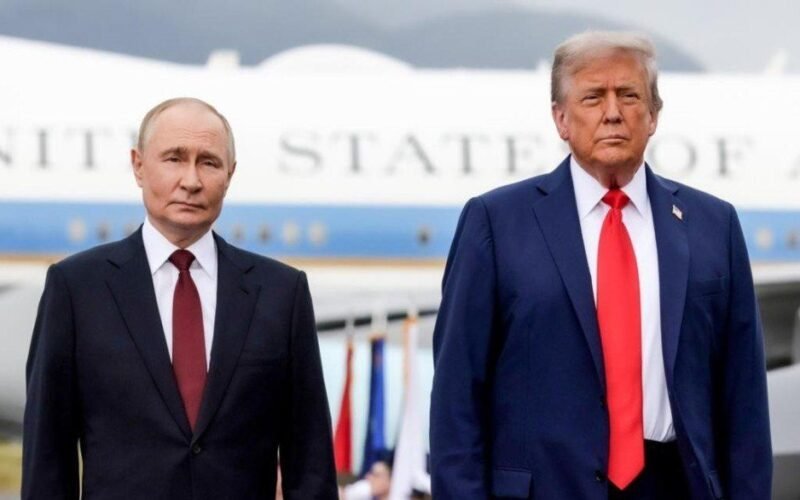
Russian President Vladimir Putin and US President Donald Trump held a telephone conversation.
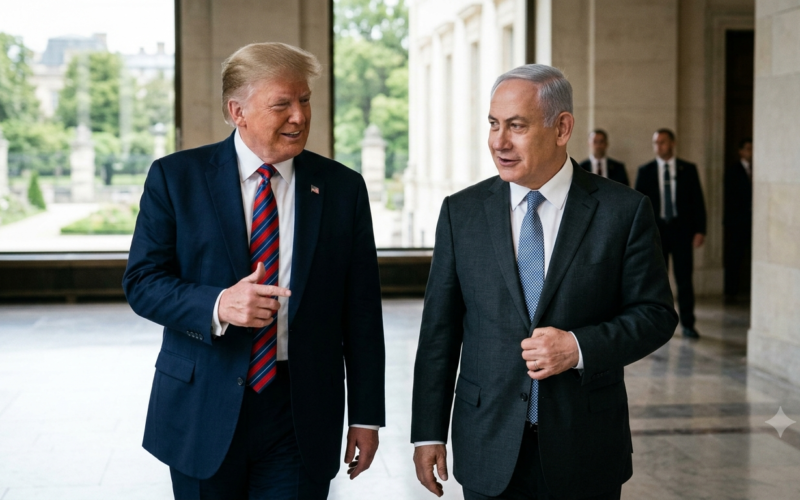
US President Donald Trump has announced that a meeting with Israeli Prime Minister Benjamin Netanyahu at the White House could take place…
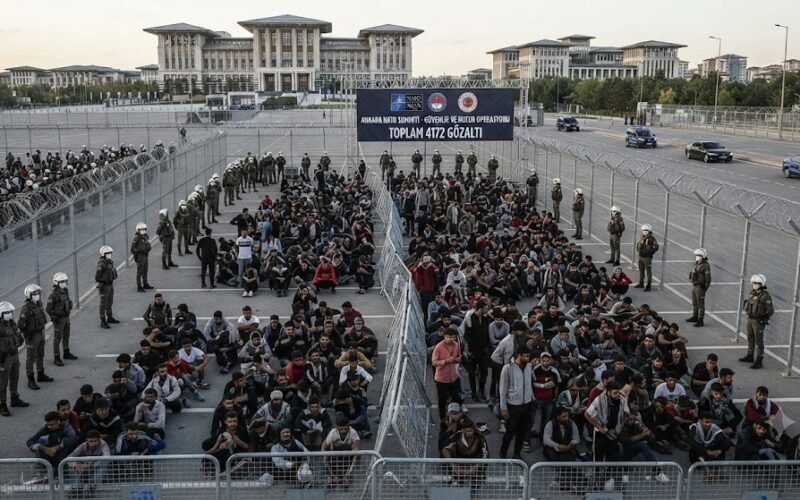
Enhanced security measures implemented in Turkey's capital Ankara ahead of NATO summit result in detention of over 4,000 wanted individuals.
The NATO summit represents a significant event in the world of international relations, bringing together leaders from member countries of the North Atlantic Treaty Organization. This gathering serves as a platform for discussing critical issues related to security, defense, and cooperation among nations. Understanding the concept of the NATO summit is essential, as it highlights the evolving nature of global politics, particularly in the context of contemporary challenges such as terrorism, cyber threats, and geopolitical tensions. This article delves into the historical background, significance, and current relevance of NATO summits, while exploring their implications for various communities, including the Jewish community in Azerbaijan.
The North Atlantic Treaty Organization was established in 1949 as a collective defense alliance against the backdrop of the Cold War. The first NATO summit took place in 1957 in Paris, aimed at strengthening the alliance and addressing the growing tensions with the Soviet Union. Over the decades, NATO summits have evolved to reflect changes in the global security landscape.
NATO summits play a crucial role in shaping the alliance's policies and strategies. They provide an opportunity for member states to align their defense postures, share intelligence, and coordinate responses to emerging threats. The significance of these gatherings can be understood through several key aspects:
In the context of an increasingly complex geopolitical landscape, the relevance of NATO summits has never been more pronounced. Recent global events, such as the conflict in Ukraine and rising tensions with Russia, have underscored the need for a cohesive response from NATO. The alliance has been forced to confront not only traditional military threats but also hybrid warfare tactics that blur the lines between state and non-state actors.
The COVID-19 pandemic has further highlighted the importance of international cooperation in addressing global challenges. As nations grapple with the economic and social ramifications of the pandemic, NATO summits have shifted focus to include discussions on resilience and recovery in the face of multifaceted crises.
The Jewish community in Azerbaijan, like many minority groups, is affected by the broader geopolitical dynamics discussed at NATO summits. Azerbaijan's strategic location at the crossroads of Europe and Asia positions it as a vital partner for NATO, particularly in terms of energy security and regional stability. The alliance's focus on fostering partnerships with countries in the South Caucasus can have direct implications for the Jewish community, ensuring their safety and promoting intercommunal dialogue.
Additionally, NATO's stance on issues such as anti-Semitism and the promotion of tolerance aligns with the values upheld by the Jewish community. The discussions held at NATO summits can lead to initiatives that support the protection of minority rights and the promotion of cultural diversity in member states and partner nations alike.
The concept of the NATO summit continues to evolve as global challenges become more complex and interconnected. The need for collective action and cooperation among member states remains paramount in addressing threats that transcend national borders. As the world navigates through crises, the role of NATO summits in shaping a unified response will be critical.
In summary, understanding the NATO summit as a concept is essential for comprehending the dynamics of international relations and security. The implications of these summits extend beyond military strategies, influencing various communities, including the Jewish community in Azerbaijan. By fostering dialogue and cooperation, NATO summits contribute to a more secure and stable world, reflecting the shared values of peace, tolerance, and mutual respect among nations.