US-Iran Relations
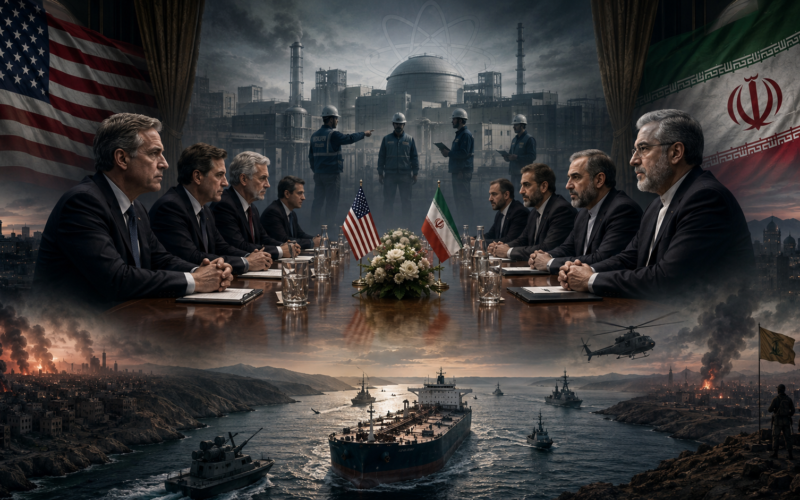
US-Iran relations encompass a multifaceted and often contentious history, marked by periods of both cooperation and profound conflict. The relationship dramatically shifted following the 1979 Iranian Revolution, which transformed Iran from a key US ally in the Middle East into an adversarial Islamic Republic. Key areas of tension typically include Iran's nuclear program, its support for various non-state actors in the region, its human rights record, and its ballistic missile development. The United States has frequently imposed sanctions on Iran, aiming to curb its nuclear ambitions and regional influence, leading to significant economic repercussions for Iran.
These relations significantly impact regional stability, particularly in the Middle East, affecting countries such as Israel, Saudi Arabia, and other Gulf states. Developments in this dynamic often have global implications, influencing oil markets and international security agendas. The Jewish community and Israel closely monitor US-Iran relations due to concerns over Iran's declared policies towards Israel and its potential nuclear capabilities. Azerbaijan, sharing a border and cultural ties with Iran, also observes these relations with interest, as they can affect regional security and economic corridors. Readers of jnews.az will find comprehensive coverage and analysis of the latest diplomatic efforts, sanctions, military developments, and their broader implications within this section.