Geopolitics
Geopolitics is a field of study that analyzes how geography and economics influence the political landscape and international relations. It considers the interplay of state power, geographical features, and resource distribution in shaping global events and conflicts. Key geopolitical theories often focus on the importance of control over specific regions, access to trade routes, and the strategic value of natural resources. Understanding geopolitical dynamics is crucial for comprehending the motivations behind foreign policies and the complexities of alliances and rivalries between nations. The discipline provides a framework for interpreting historical and contemporary international affairs, highlighting the enduring impact of physical space on human societies and their political organization.
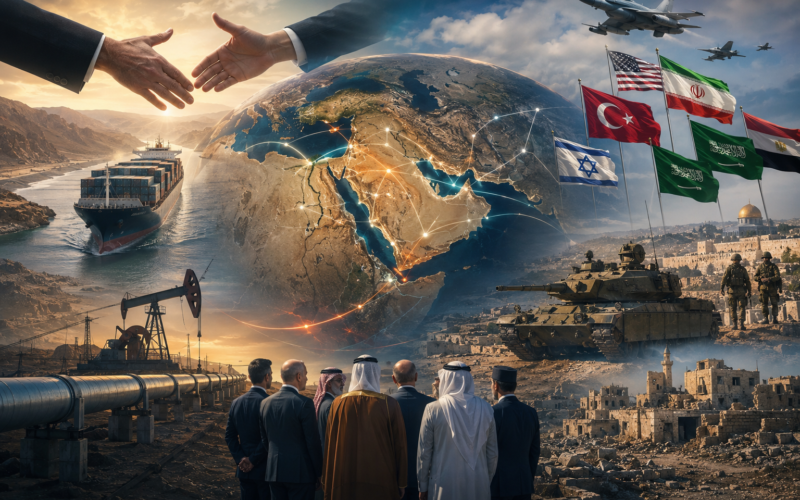
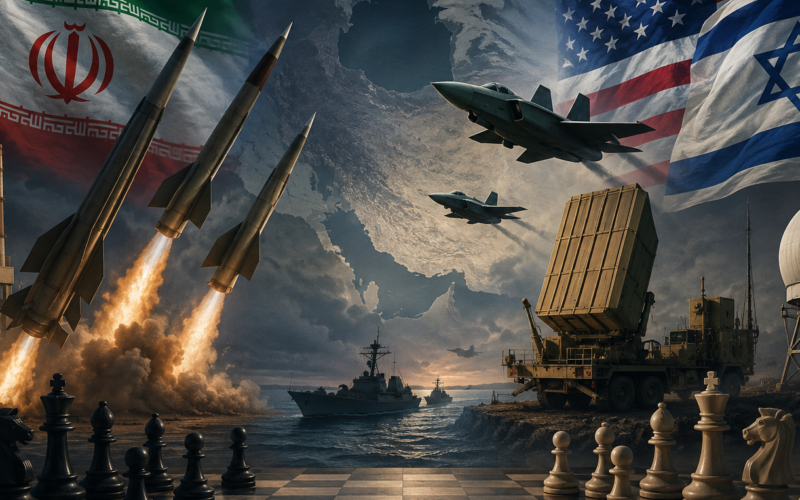
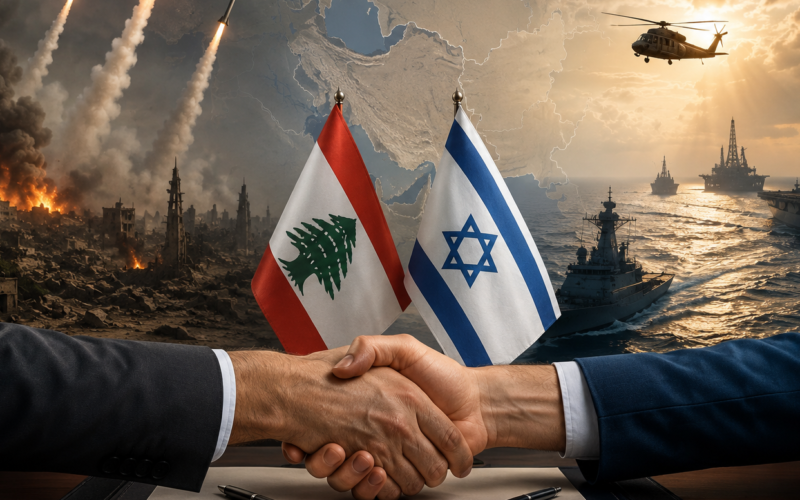
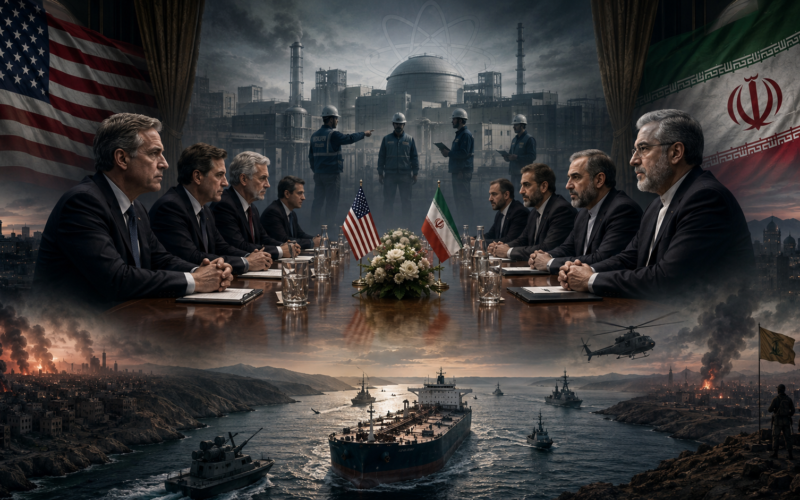
For Israel and the broader Jewish world, geopolitics holds particular significance due to the region's historical and strategic importance. Israel's geographical location at the crossroads of three continents, its resource challenges, and its security concerns are all central to its geopolitical considerations. The ongoing conflicts in the Middle East, the roles of major global powers, and the relationships between Israel and its neighbors are constantly analyzed through a geopolitical lens. Azerbaijan, as a nation in the South Caucasus with significant energy resources and a unique position between Europe and Asia, also navigates complex geopolitical currents. Its relations with Russia, Iran, Turkey, and Western countries are shaped by its strategic location and economic interests. This section of JNews.az offers in-depth analysis and reporting on global geopolitical developments, with a particular focus on their implications for Israel, the Jewish diaspora, and Azerbaijan, providing readers with context and insight into these critical issues.