
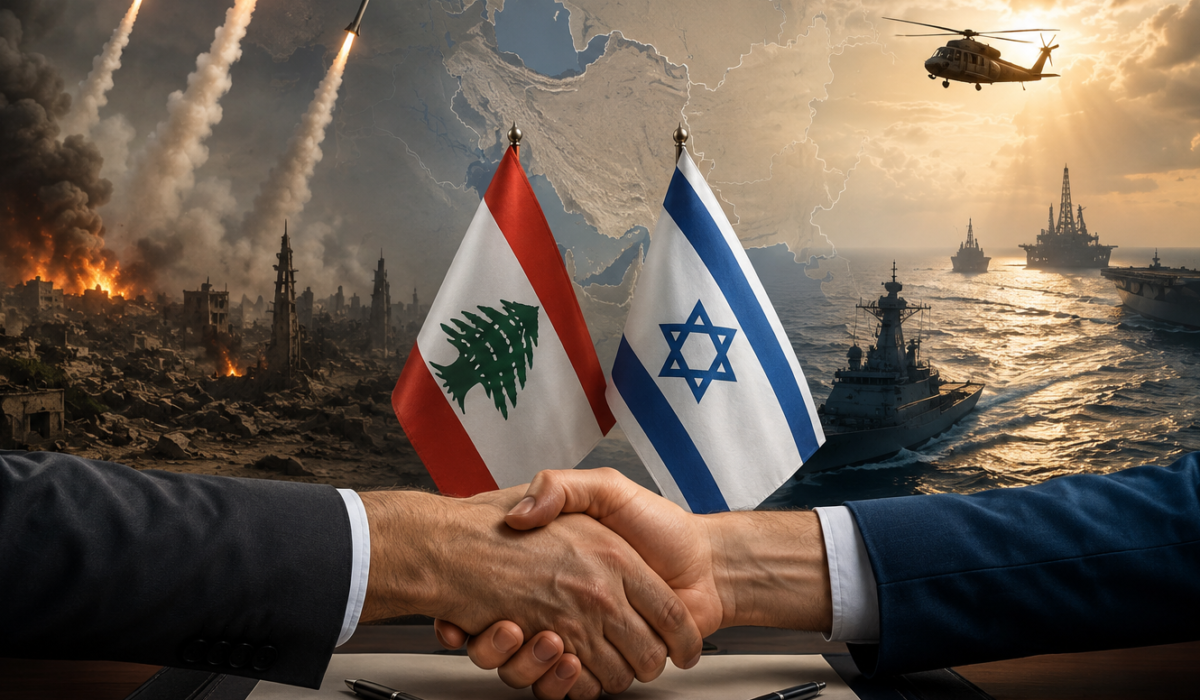
The situation in the Middle East has entered a new phase of escalation. The collapse of diplomatic negotiations has been accompanied by a return to open military confrontation. The editorial team of jnews.az presents an analytical overview of the emerging geopolitical landscape in the region.
Rising Tensions in the Persian Gulf: The Failure of Deterrence
Negotiations between the United States and Iran have effectively reached a deadlock. Despite public statements emphasizing diplomatic efforts, both sides have returned to a strategy of reciprocal military strikes.
Attacks on infrastructure. Iran continues to launch drone and missile strikes against maritime vessels, including crude oil tankers, as well as facilities in Bahrain and Kuwait, including the headquarters of the U.S. Fifth Fleet and Ali Al Salem Air Base.
U.S. response. The United States has carried out airstrikes targeting Iran’s coastal radar installations, missile depots, and drone launch sites.
Position of the Gulf monarchies. During consultations with Washington, the Gulf states put forward a number of firm demands, including limiting the operational range of Iran’s missiles and drones and ending support for proxy armed groups. Future economic cooperation with Tehran is now increasingly tied to compliance with these conditions. Notably, these demands closely mirror the position consistently advocated by Israel over the past two decades.
Lebanon and Israel: A Historic Framework Agreement
One of the most significant developments has been the signing of a framework agreement between Israel and Lebanon in Washington. Although several provisions are largely procedural, the document reflects a fundamental shift in the region’s security architecture.
Direct dialogue. Lebanon has formally agreed to engage in direct dialogue with Israel, marking an unprecedented step in the history of bilateral relations.
Iran excluded from the process. Under Article 7 of the agreement, the parties affirm that the right to self-defense belongs exclusively to them. This effectively prevents third parties, including Iran, from influencing or intervening in Lebanon’s internal affairs.
Border security. The agreement provides for the gradual restoration of Lebanese state sovereignty across the entire country. A key prerequisite is the disarmament of all non-state armed groups. Until this objective is achieved, Israel retains the right to maintain a security buffer zone along its northern border.
Humanitarian dimension. The parties also commit to cooperating in efforts to locate missing persons. For Israel, this provision is particularly significant in relation to the unresolved fate of pilot Ron Arad.
jnews.az Editorial Assessment
The primary obstacle to implementing the agreement remains the current condition of Lebanon’s state institutions. The senior leadership of the Lebanese Armed Forces, influenced by individuals accused of links to corruption and smuggling networks, has shown little willingness to take decisive action against radical armed groups operating within the country.
Under these circumstances, Israel is expected to maintain its strategy of preserving security buffer zones along its borders, viewing them as the most effective means of preventing cross-border threats.
The prospects for the ongoing U.S.–Iran negotiations resulting in a durable and lasting peace remain extremely limited. Consequently, a further escalation of regional tensions appears increasingly likely.
The jnews.az editorial team will continue to monitor developments closely.