
Economy
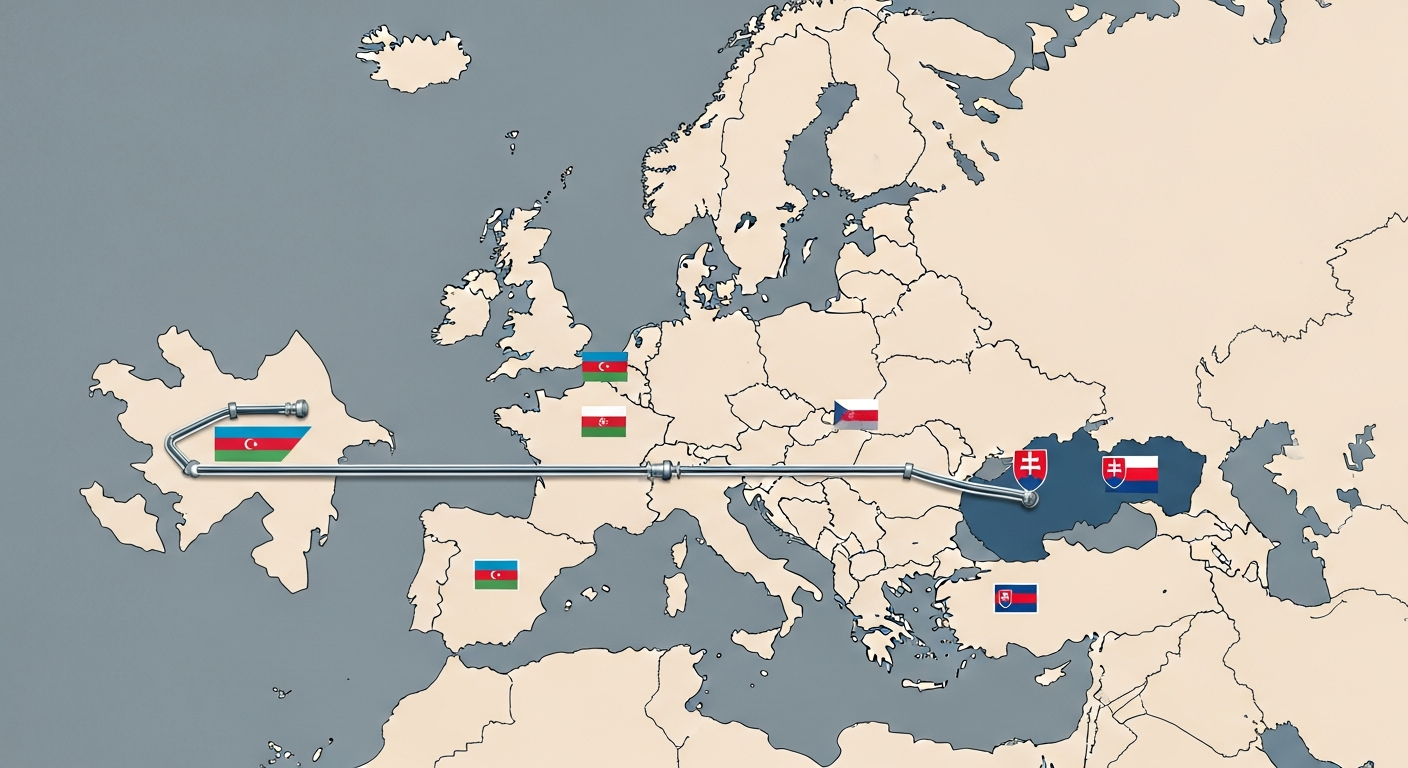
Slovakia plans to import gas from Azerbaijan
Slovakia's Economy Minister Denisa Sakova announced after a meeting in Baku that the country intends to purchase approximately 1.2 billion cubic meters…
📅 July 14, 2026, 17:39
Gas imports: the purchase and supply of natural gas from foreign sources. Critical for energy security, economic development, and geopolitical relations in the Middle East and globally.
Slovakia's Economy Minister Denisa Sakova announced after a meeting in Baku that the country intends to purchase approximately 1.2 billion cubic meters…
Gas imports refer to the procurement of natural gas from international suppliers, a cornerstone of energy security for nations worldwide. Countries import liquefied natural gas (LNG) or pipeline gas to meet domestic consumption demands, industrial needs, and power generation requirements. The geopolitical significance of gas imports has intensified given global energy transitions and supply chain vulnerabilities exposed in recent years.
For Azerbaijan, gas exports represent a major economic pillar, with significant supplies directed to Europe and neighboring regions through pipelines like the Southern Gas Corridor. Conversely, many nations, including Israel and others in the Eastern Mediterranean and Middle East, depend on strategic gas imports to sustain their economies and populations. Competition for natural gas resources shapes regional partnerships and influences diplomatic relations throughout the continent.
This section covers news and analysis on gas import policies, international energy agreements, LNG market developments, and how import strategies affect economic stability and geopolitical positioning across the Middle East, Central Asia, and Europe. Readers will find updates on trade negotiations, supply disruptions, pricing trends, and the intersection of energy security with political interests.