
Economy
Baku hosts first OPEC+ Cooperation Charter Technical Committee meeting
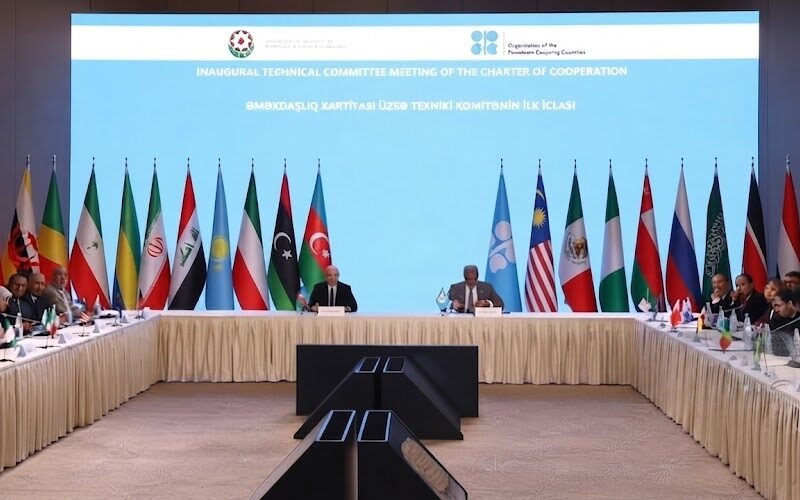
The first meeting of the OPEC+ Cooperation Charter Technical Committee began today in Baku.
📅 July 15, 2026, 10:59
Energy Cooperation covers bilateral and multilateral initiatives in renewable energy, oil and gas sectors. This tag explores shared energy projects, regional partnerships, and strategic agreements affecting Middle Eastern economies and Israel’s energy independence.
The first meeting of the OPEC+ Cooperation Charter Technical Committee began today in Baku.
Energy cooperation encompasses collaborative initiatives between nations in oil, natural gas, renewable energy, and electricity sectors. These partnerships shape regional stability, economic growth, and technological advancement. In the Middle East, energy agreements often serve as diplomatic instruments, facilitating dialogue and mutual prosperity between historically divided regions. Israel, despite limited hydrocarbon reserves, has emerged as an innovation hub in renewable energy and desalination technologies, making it an attractive partner for regional energy projects.
Joint ventures in energy infrastructure—from pipeline construction to solar and wind farms—create interdependencies that promote peace and trade. Such cooperation reduces costs for all parties, attracts international investment, and addresses climate challenges. Azerbaijan, a major oil and gas producer with strategic pipelines supplying Europe and the region, plays a pivotal role in these dynamics. Energy agreements often include technology transfer, workforce training, and environmental standards.
Jnews.az covers energy cooperation stories involving Israeli companies, regional partnerships, infrastructure projects, and their geopolitical implications. Readers will find analysis of renewable energy investments, pipeline diplomacy, water-energy nexus challenges, and how energy ties influence broader Middle Eastern relations and Azerbaijan's strategic position.