

Economy
Transit freight shipments from Russia to Armenia via Azerbaijan continue
The next batch of transit cargo from Russia to Armenia continues to be delivered through Azerbaijani territory.
📅 July 10, 2026, 13:08
The next batch of transit cargo from Russia to Armenia continues to be delivered through Azerbaijani territory.

Israel's proposed Armenian genocide recognition initiative has been stalled following diplomatic pressure from Azerbaijan. According to reports, Baku's diplomatic efforts played a…

Transit transportation of propane gas from Russia to Armenia through Azerbaijan territory has begun.

Law enforcement authorities conduct searches at the residence of Gagik Tsarukyan, head of the opposition "Civil Contract" party and businessman in Armenia.

Armenia's Prime Minister Nikol Pashinyan will travel to Russia's Yekaterinburg city.

Freight trains carrying grain from Russia to Armenia continue to transit through Azerbaijani territory.

Armenian National Assembly Speaker Alen Simonyan has announced he will not serve in the newly elected parliament and has formally relinquished his…

Europe and Azerbaijan are launching a large-scale partnership aimed at regional stability.
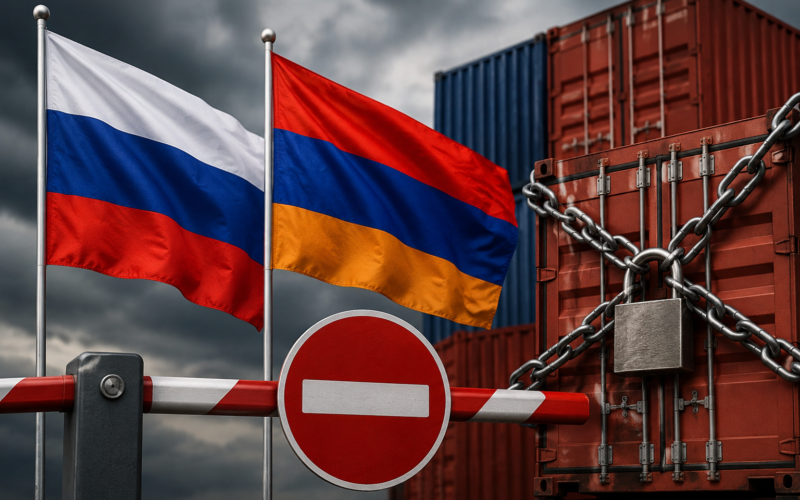
Armenian publication "Hraparak" has reported that Russia may impose new economic restrictions against the country.

Pashinyan: "Armenia will not react to Israel's decision"
The concept of Armenia is deeply intertwined with its rich historical, cultural, and religious significance. As one of the oldest countries in the world, Armenia possesses a unique identity shaped by centuries of history, including its interactions with neighboring nations and various cultures. This text delves into the multifaceted concept of Armenia, exploring its historical context, cultural heritage, and contemporary relevance, particularly in relation to the Jewish community in Azerbaijan and broader regional dynamics.
Armenia, located at the crossroads of Eastern Europe and Western Asia, has a history that dates back to the ancient kingdom of Urartu, which existed around the 9th century BCE. The establishment of the Kingdom of Armenia in the 6th century BCE marked the beginning of a distinct Armenian identity. Over the centuries, Armenia has faced numerous invasions and occupations by various empires, including the Roman, Byzantine, Persian, and Ottoman Empires. Despite these challenges, the Armenian people have preserved their language, culture, and religious practices, particularly the Armenian Apostolic Church, which is one of the oldest Christian denominations in the world.
The significance of Armenia's history extends beyond its borders. The Armenian Genocide during World War I, where approximately 1.5 million Armenians were systematically killed by the Ottoman Empire, remains a pivotal moment in Armenian history. This tragedy has had lasting implications for the Armenian diaspora and has influenced international relations, particularly concerning Turkey and the recognition of the genocide by various countries, including Israel.
Armenia is renowned for its rich cultural heritage, encompassing literature, music, dance, and visual arts. The Armenian alphabet, invented by Mesrop Mashtots in the 5th century, is a source of pride and has played a crucial role in preserving Armenian literature and historical texts. Armenian architecture, exemplified by its ancient churches and monasteries, reflects the country's unique artistic style and religious significance.
Religion plays a central role in Armenian culture and identity. The Armenian Apostolic Church, which claims to have been founded by the apostles Thaddeus and Bartholomew, is a cornerstone of Armenian life. The church's influence extends beyond spirituality, shaping social customs, festivals, and national identity. Major religious holidays, such as Christmas and Easter, are celebrated with unique Armenian traditions that reflect the country's cultural heritage.
Additionally, Armenia was the first nation to adopt Christianity as its state religion in 301 CE, marking a significant milestone in the history of Christianity. This early adoption has positioned Armenia as a pivotal player in the Christian world, fostering connections with other Christian communities, including the Jewish community. The historical interactions between Armenians and Jews, particularly in Azerbaijan, have led to a shared cultural and religious dialogue that enriches both communities.
In contemporary times, Armenia continues to navigate complex geopolitical dynamics, particularly in relation to its neighbors, including Azerbaijan and Turkey. The Nagorno-Karabakh conflict, which has historical roots and involves territorial disputes, remains a significant issue affecting Armenia's national security and diplomatic relations. The conflict has also influenced the Armenian diaspora, including communities in Azerbaijan, where historical ties and shared experiences contribute to ongoing discussions about identity and coexistence.
The Jewish community in Azerbaijan has a long and intricate history, with deep-rooted connections to the region. Understanding the Armenian concept is crucial for fostering intercommunal dialogue and cooperation. The historical coexistence of Armenians and Jews in Azerbaijan provides a unique perspective on cultural exchange and mutual respect, emphasizing the importance of dialogue in promoting peace and understanding in a region marked by tension.
The relationship between Armenia and the Jewish community in Azerbaijan is multifaceted, shaped by historical interactions and contemporary realities. The Jewish community in Azerbaijan, particularly in cities like Baku and Guba, has coexisted with various ethnic and religious groups, including Armenians, for centuries. This coexistence has fostered a spirit of tolerance and cultural exchange, which is essential in a region often characterized by conflict.
In recent years, the Jewish community in Azerbaijan has actively engaged in promoting interfaith dialogue and cultural understanding. Initiatives aimed at fostering cooperation between Jewish and Armenian communities, despite the ongoing tensions, highlight the potential for reconciliation and mutual respect. The concept of Armenia, with its rich history and cultural heritage, serves as a backdrop for these dialogues, emphasizing the shared values that can bridge divides.
The concept of Armenia encompasses a rich tapestry of history, culture, and religious significance that resonates within the broader context of regional dynamics. Understanding Armenia's past and present is crucial for appreciating its role in shaping contemporary intercommunal relationships, particularly with the Jewish community in Azerbaijan. As the region continues to evolve, fostering dialogue and cooperation among diverse communities will be essential for promoting peace and understanding.
In summary, Armenia stands as a testament to resilience, cultural richness, and the enduring power of faith. The exploration of this concept not only enhances the understanding of Armenian identity but also underscores the importance of dialogue in building bridges across communities, particularly in a region marked by its complex history and diverse cultures.