Nikol Pashinyan
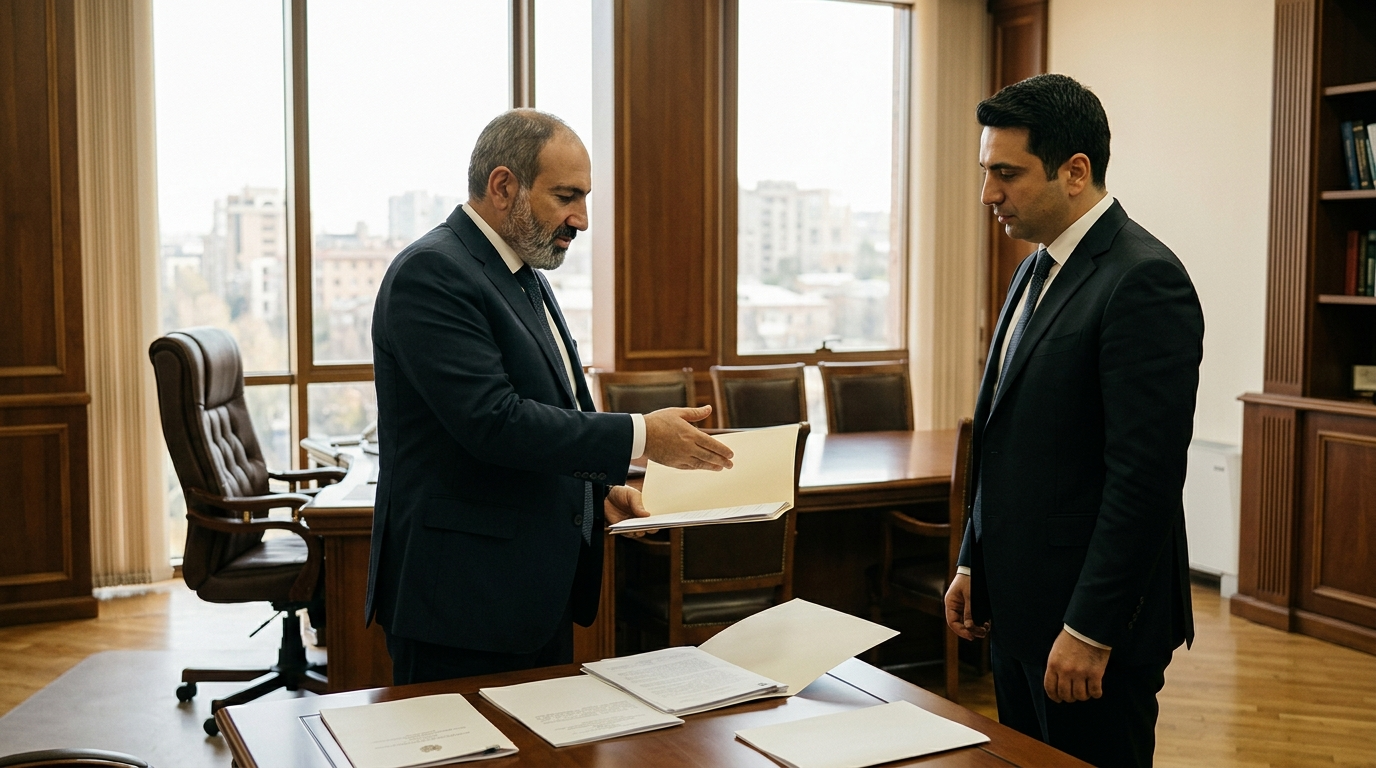
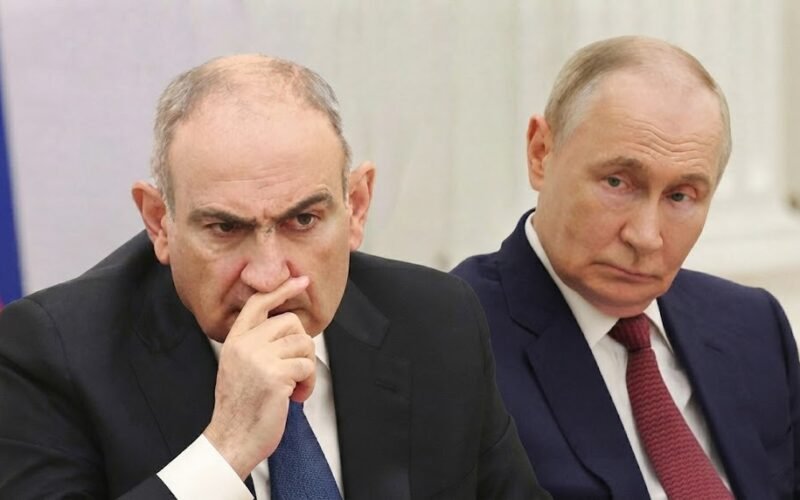
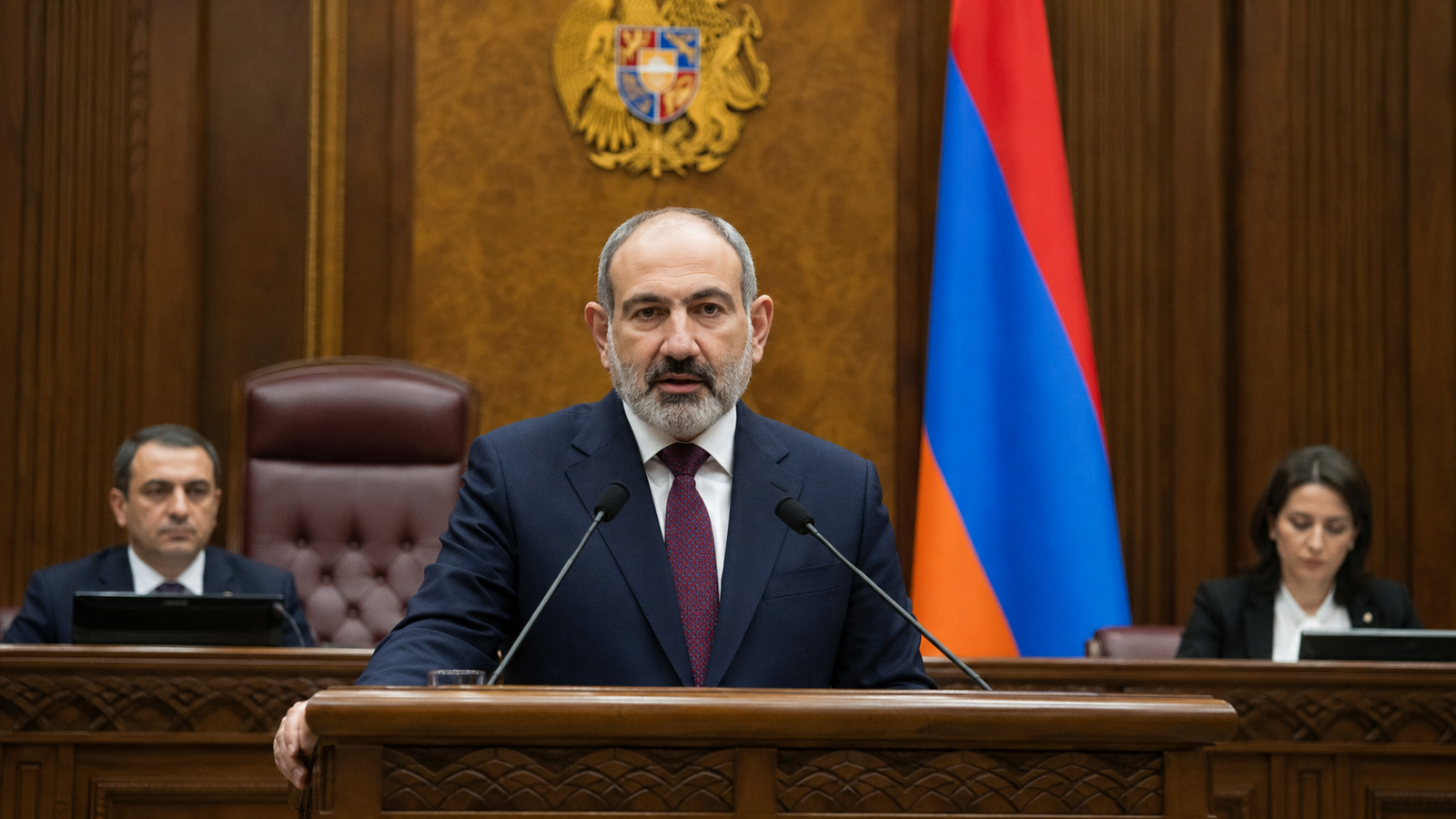
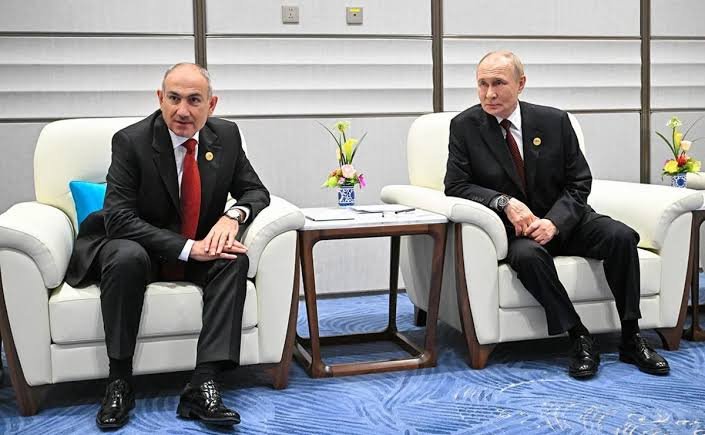
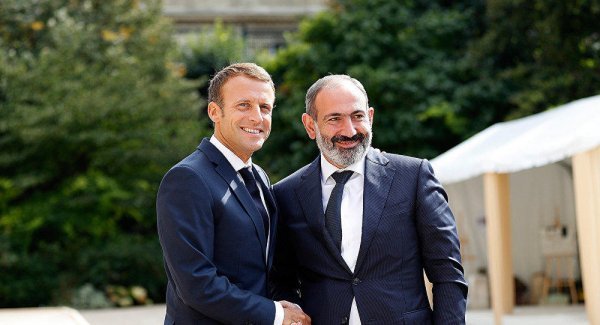
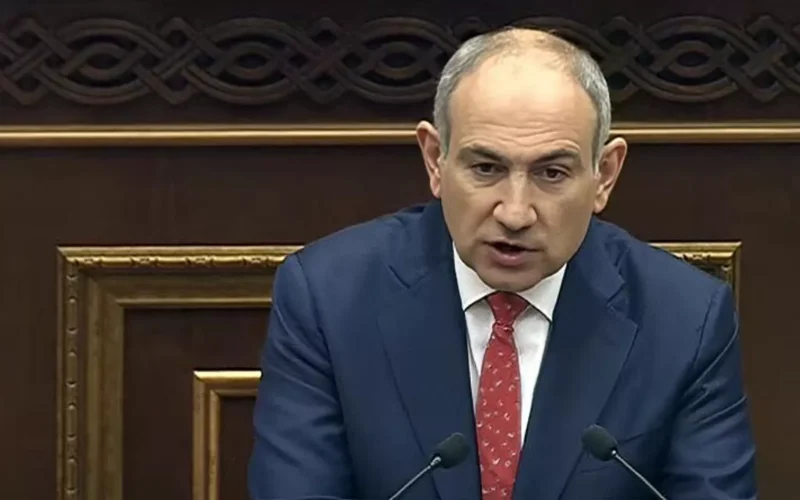
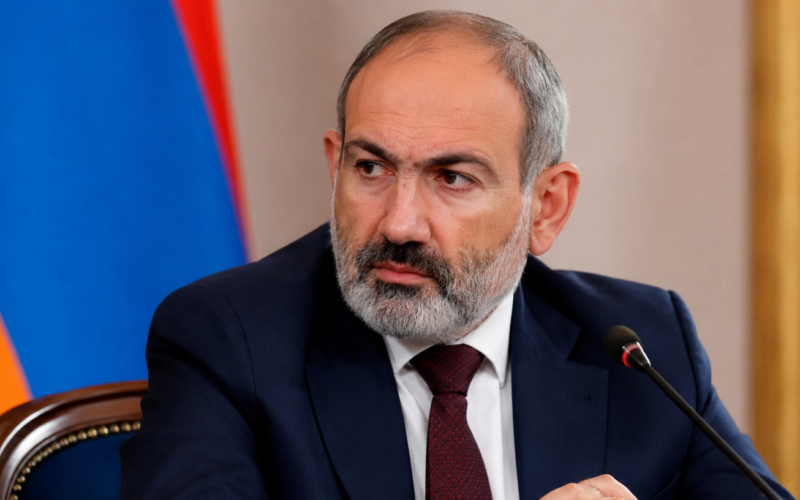
Nikol Pashinyan has served as the Prime Minister of Armenia since May 2018. Before entering politics, he was a prominent journalist and editor, known for his investigative reporting and opposition to the government. His political career began as an activist, leading to his arrest and imprisonment for his role in post-election protests in 2008. Pashinyan later became a member of the Armenian Parliament, where he continued to advocate for democratic reforms and anti-corruption measures. He rose to international prominence during the 2018 Armenian Velvet Revolution, a series of widespread peaceful protests that led to the resignation of then-Prime Minister Serzh Sargsyan and Pashinyan's subsequent election to the position.
As Prime Minister, Pashinyan has focused on combating corruption, reforming the judiciary, and improving the country's economic indicators. His tenure has also been significantly shaped by regional conflicts, particularly the Nagorno-Karabakh conflict. Relations with Azerbaijan, a key neighbor, remain complex and are frequently covered in news regarding the South Caucasus region. While direct connections between Nikol Pashinyan's administration and the Jewish community or Israel are not a primary focus of his policy, events within Armenia and the broader region often have implications that are of interest to Jewish communities globally and are therefore reported by JNews.az.
In this section of JNews.az, readers will find comprehensive coverage of Nikol Pashinyan's actions, statements, and policies. This includes updates on Armenia's foreign policy, its relations with regional and international partners, and domestic developments under his leadership. The articles provide factual reporting on how these events impact the political landscape of the South Caucasus, including any tangential effects on Azerbaijani-Armenian relations, and broader regional stability.