
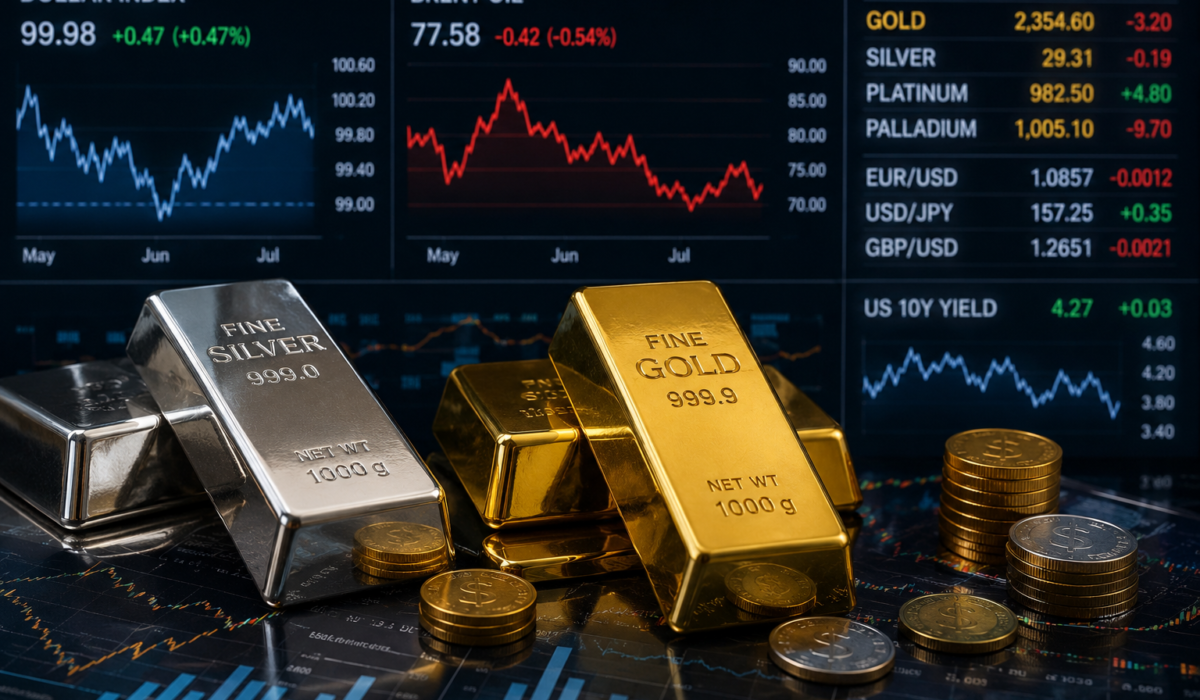
The current situation in global financial markets is characterized by a fundamental shift in the communication strategy of the US Federal Reserve (Fed). Investors, accustomed over the past decades to a high degree of transparency and predictability in the regulator's actions, now find themselves in new, more uncertain conditions.
New Fed Rhetoric: From Guidance to Statistics. The Fed leadership has abandoned the practice of providing detailed forecasts regarding the future direction of monetary policy. Now, the regulator's decisions are made situationally, as new economic data becomes available.
Market Consequences: Financial markets have become more dependent on macroeconomic statistics, such as reports on inflation, employment levels, and business activity. This leads to increased short-term volatility and raises the likelihood of forecasting errors among market participants.
Shift in Priorities: In an environment where the regulator's future steps become less predictable, the importance of defensive assets objectively increases. Gold, traditionally perceived as a tool for preserving capital's purchasing power, is once again attracting investors' attention precisely because of its independence from the decisions of specific governments.
Gold and Silver: Dynamics and Correction Prospects. The precious metals market is currently undergoing a correction phase after reaching high price levels.
Gold: Quotes are in a downward trend, approaching levels that could mark the completion of the correction. For investors, this creates an opportunity to acquire physical metal with a view to long-term growth. Despite current pressure, gold maintains its status as a safe-haven asset, demand for which typically increases during periods of market uncertainty.
Silver: The metal also shows downward dynamics, heading towards the lower boundary of its upward trend. Analysts view the current decline as a likely final stage of the corrective movement, after which a resumption of growth is expected.
Dollar Index and Oil
Dollar Index: The index is rising, which puts pressure on the value of precious metals. The current strengthening of the dollar is likely a corrective movement. An important technical milestone is the 100-point mark: a retest of this value will determine the further direction of the index's movement.
Oil (Brent): Oil prices have stabilized near the middle of their range. The current trend indicates a predominant downward movement. There is a possibility of further price declines to levels observed before the geopolitical escalation in the Middle East, with the prospect of testing lower historical lows.
Summary
The Fed's abandonment of forward guidance creates an environment of increased volatility, where market expectations change faster than before. In these conditions, defensive assets, particularly gold, become a key tool for portfolio diversification. The current correction in commodity markets is perceived as a natural process, providing long-term investors with more favorable entry conditions, as the fundamental factors for precious metals growth remain.