
Economy
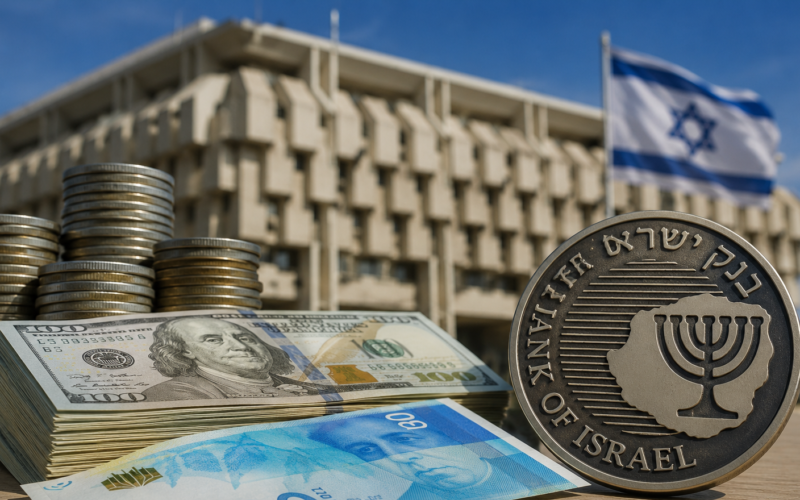
Bank of Israel launches $1 billion currency intervention
Bank of Israel intervened in the foreign exchange market in June to counter excessive appreciation of the shekel, the country's national currency,…
📅 July 8, 2026, 14:28
Monetary Policy refers to the actions taken by a central bank to manage the money supply and credit conditions. This section explores its impact on inflation, economic growth, and stability.
Bank of Israel intervened in the foreign exchange market in June to counter excessive appreciation of the shekel, the country's national currency,…

The current situation in global financial markets is characterized by a fundamental shift in the communication strategy of the US Federal Reserve…
Monetary policy encompasses the decisions made by a central bank, such as the Federal Reserve in the United States or the European Central Bank, to influence the availability and cost of money and credit in an economy. These actions are primarily aimed at achieving specific macroeconomic goals, including controlling inflation, fostering sustainable economic growth, and maintaining price stability. Key tools of monetary policy often include adjusting interest rates, conducting open market operations (buying or selling government securities), and setting reserve requirements for banks. The effectiveness of monetary policy can vary depending on economic conditions, consumer confidence, and global factors.
For Israel, the Bank of Israel is responsible for formulating and implementing monetary policy to safeguard price stability and support sustainable growth. Its decisions on interest rates and other instruments directly affect borrowing costs for businesses and individuals, influencing investment, consumption, and the overall economic climate. Given Israel's open economy, its monetary policy also considers global economic trends and geopolitical developments. While Azerbaijan has its own independent monetary policy set by the Central Bank of Azerbaijan, general principles of central banking, such as managing inflation and maintaining financial stability, are universal. Readers of jnews.az can find in this section articles and analyses detailing the impact of these policies on national and international economies, with a particular focus on their implications for Israel, Jewish communities, and global financial markets.