
Economy
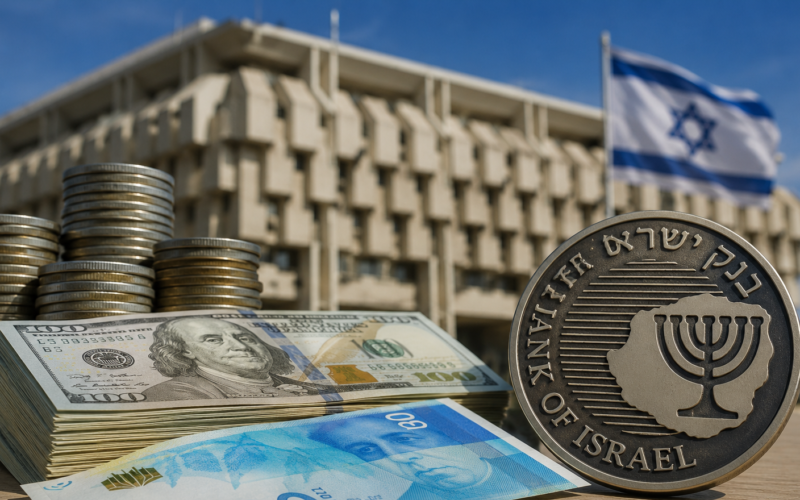
Bank of Israel launches $1 billion currency intervention
Bank of Israel intervened in the foreign exchange market in June to counter excessive appreciation of the shekel, the country's national currency,…
📅 July 8, 2026, 14:28
Currency intervention refers to government or central bank actions to influence foreign exchange markets. Learn about interventions’ impact on economies, including Israel and Azerbaijan, and their role in financial policy.
Bank of Israel intervened in the foreign exchange market in June to counter excessive appreciation of the shekel, the country's national currency,…
Currency intervention is a monetary policy tool used by governments and central banks to influence foreign exchange rates and market stability. These interventions can involve buying or selling national currencies to strengthen or weaken exchange rates, managing inflation, and protecting economic interests. Central banks worldwide, including those in Israel and Azerbaijan, employ such measures to maintain economic balance and respond to market volatility.
In the context of the Middle East and Caucasus, currency interventions have significant implications for trade, investment, and regional economic relations. Israel's central bank occasionally intervenes in forex markets to support the shekel, while Azerbaijan's central bank manages the manat to ensure stability in its oil-dependent economy. These actions affect cross-border transactions, diaspora remittances, and foreign direct investment flows that impact Jewish communities and bilateral economic ties.
This section covers monetary policy decisions, exchange rate fluctuations, central bank strategies, and their broader economic consequences. Readers will find analysis of how currency interventions shape financial markets, affect business operations, and influence the economic policies of nations with significant Jewish populations or strategic importance to Israel and world Jewry.