

World
Ukraine strikes another Wildberries warehouse
A fire broke out at a Wildberries warehouse in Yekaterinburg following a drone attack by the Armed Forces of Ukraine. 800 people…
📅 August 7, 2026, 09:34
UAVs, or Unmanned Aerial Vehicles, are aircraft operated without a human pilot on board. This tag explores their diverse applications and impact.
A fire broke out at a Wildberries warehouse in Yekaterinburg following a drone attack by the Armed Forces of Ukraine. 800 people…
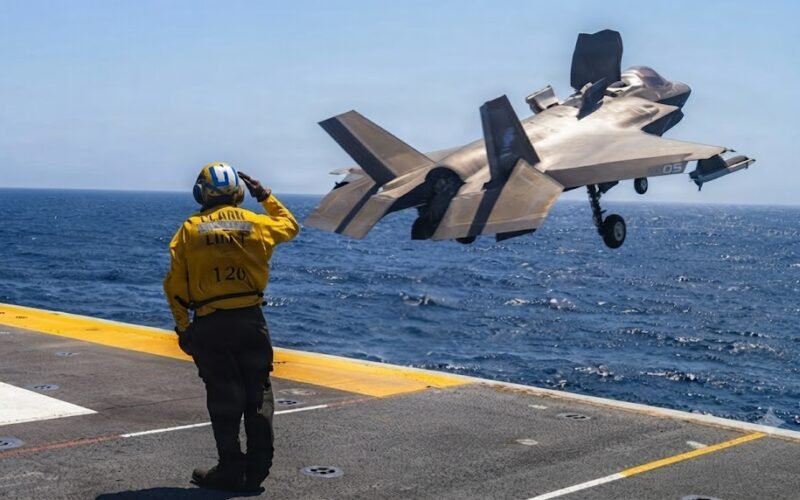
Israel plans to develop a new generation combat unmanned aerial vehicle (UAV) with features comparable to US F-35 fighter jets, Bloomberg reports.

Kuwait's air defense systems successfully intercepted a group of hostile drones heading from the direction of Iran.
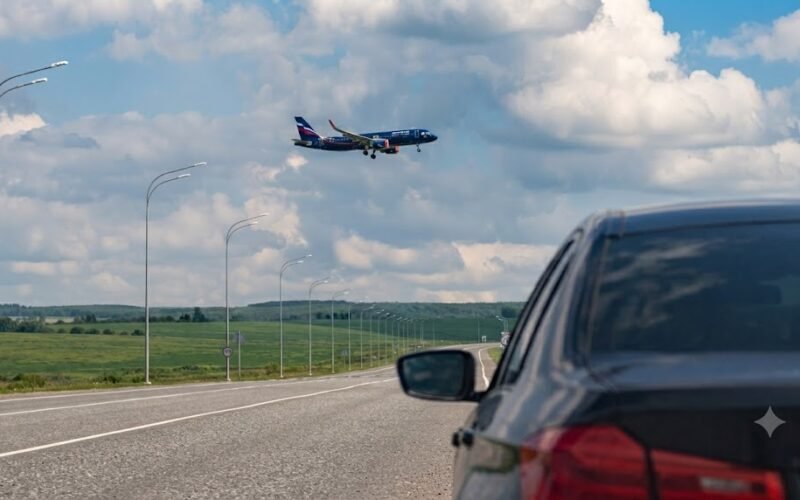
The Russian Federal Air Transport Agency (Rosaviatsiya) has imposed additional restrictions on civil aviation in the Moscow airspace following an increase in…

Ukraine carried out a large-scale drone attack on Moscow and surrounding regions overnight. According to Russian officials, 400 UAVs were involved, leaving…
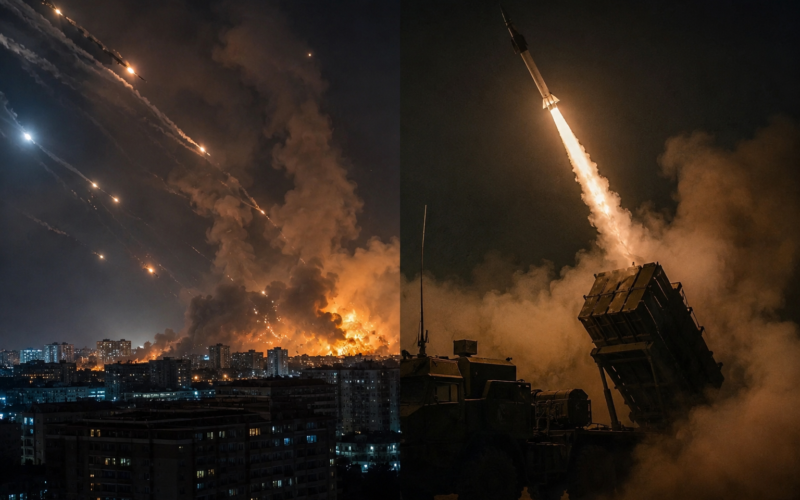
Mutual air strikes between Russia and Ukraine show no signs of slowing. On the night of July 8, both sides launched large-scale…
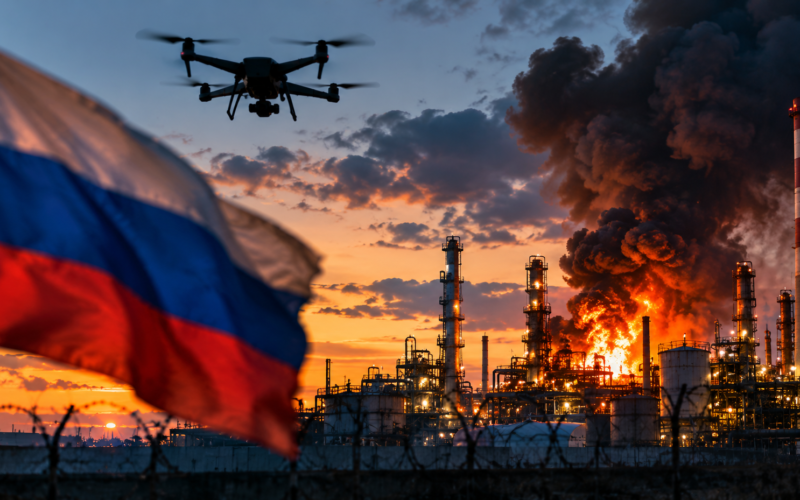
Ukrainian UAVs are increasingly striking targets deep within Russia, revealing serious gaps in the country's air defense system.
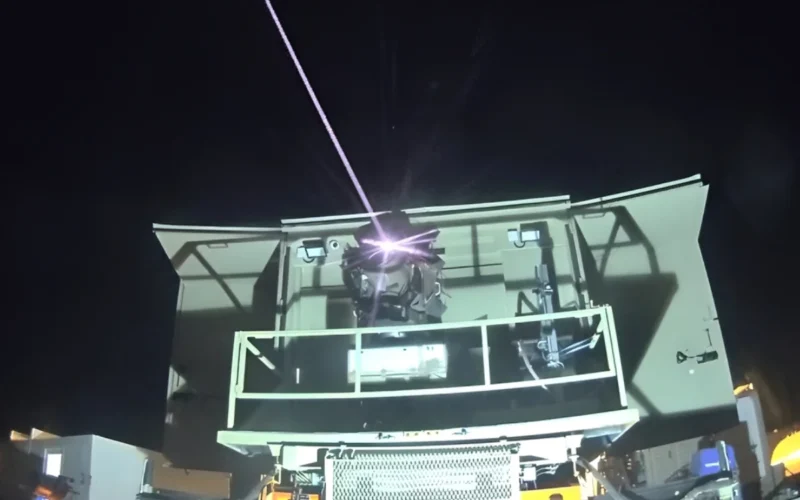
Israel has unveiled a new laser defense system called "DroneLight". The system is capable of destroying more than 30 UAVs within one…
Unmanned Aerial Vehicles (UAVs), commonly known as drones, represent a rapidly evolving technology with a wide array of applications across various sectors. These aircraft operate without a human pilot on board, instead relying on remote control or pre-programmed flight plans. Their development has transformed capabilities in areas such as surveillance, reconnaissance, data collection, and even delivery services. The sophistication of modern UAVs ranges from small consumer-grade drones to large, complex military systems equipped with advanced sensors and operational capabilities.
The role of UAVs in military and security contexts is particularly significant, with Israel being a prominent global leader in their development and export. Israeli companies have pioneered many advancements in drone technology, contributing to their use in intelligence gathering, border patrol, and targeted operations. This technological prowess places Israel at the forefront of the global defense industry for unmanned systems. Beyond defense, UAVs are increasingly utilized in civilian applications, including agriculture for crop monitoring, infrastructure inspection, disaster response, and aerial photography. Their versatility and ability to access difficult or dangerous areas make them invaluable tools for a multitude of tasks.
Readers of jnews.az can find comprehensive coverage under this tag regarding the latest developments in UAV technology, particularly focusing on their implications for regional security, technological advancements from Israel and Azerbaijan, and their growing applications in both military and civilian spheres. This section provides factual insights into the strategic importance of unmanned systems and their impact on contemporary geopolitical and technological landscapes.