Persian Empire
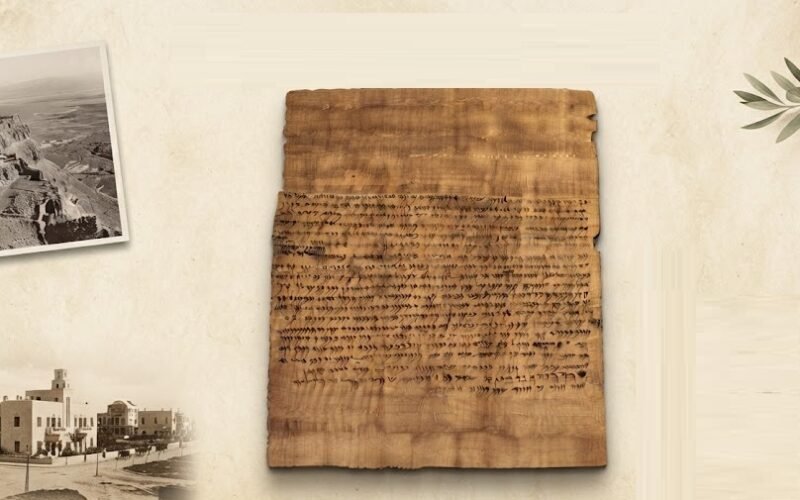
The Persian Empire, founded by Cyrus the Great in the 6th century BCE, became one of antiquity's greatest powers, stretching from Egypt and the Mediterranean to India. This vast empire maintained relatively tolerant policies toward its diverse populations, including Jews. Under Persian rule, Jews experienced periods of relative stability and autonomy, particularly after Cyrus permitted the reconstruction of the Second Temple in Jerusalem around 515 BCE—a watershed moment in Jewish religious and national history.
The Persian Empire's administration created a framework for coexistence among many faiths and cultures within a unified political structure. Jewish communities flourished in Babylonia and Persia itself, producing significant cultural and religious developments that would shape Judaism for centuries. The Achaemenid dynasty's sophisticated bureaucratic system and diplomatic approach influenced how Jews organized themselves under imperial rule.
In the jnews.az section on Persian Empire, readers will find articles examining Jewish-Persian relations, the historical significance of Cyrus's decrees, and how this ancient period laid foundations for Jewish diaspora life in the Middle East. Coverage includes analysis of ancient Persian culture's lasting impact on Jewish civilization and thought.