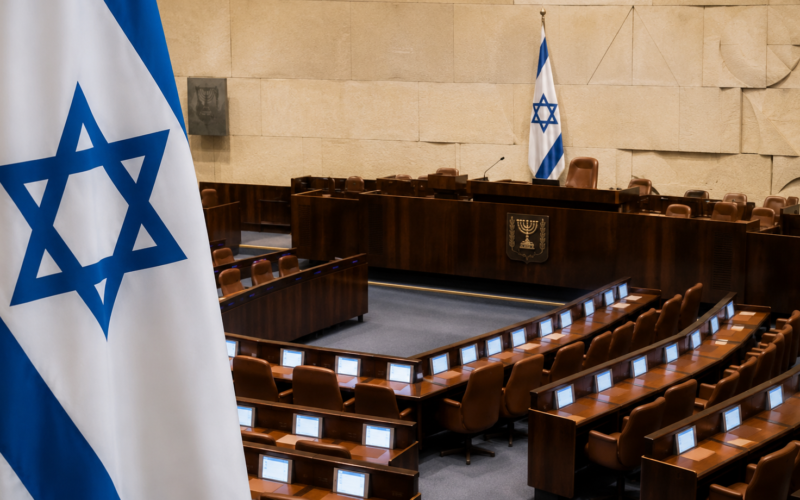
Israeli Parliament (Knesset)
The Knesset is Israel's unicameral parliament, consisting of 120 members elected through a proportional representation system. Established in 1949, it serves as the supreme legislative authority of Israel, responsible for enacting laws, approving the state budget, and electing the country's President and Prime Minister. The Knesset also holds the government accountable through parliamentary committees and oversight mechanisms, making it central to Israeli democratic governance.
The legislature operates through multiple parliamentary committees covering security, foreign policy, economy, education, and social welfare. Members, representing diverse political ideologies from left to right, engage in intense debates that reflect the pluralistic nature of Israeli society. The Knesset's work directly influences major decisions affecting Israel's domestic policy, security posture, and international relations, including matters concerning the Israeli-Palestinian conflict, settlement policy, and regional peace initiatives.
News coverage of the Knesset on jnews.az provides insights into Israeli political developments, legislative decisions, government formation, and parliamentary debates. Understanding the Knesset's role helps readers grasp how Israeli policy decisions are made and their implications for Israel, the region, and Jewish communities worldwide.