Ilham Aliyev: Leader of Azerbaijan and His Role in Intercultural Dialogue
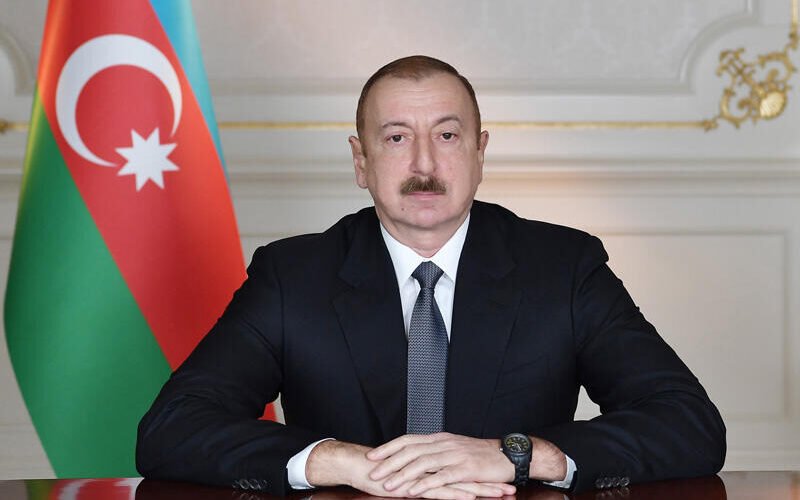
Ilham Aliyev is the president of Azerbaijan, who has become a key figure in the political life of the country. He hails from Baku and is known for his active foreign policy aimed at strengthening Azerbaijan's position on the international stage. An important part of his activities is the support of intercultural dialogue, which is particularly relevant for the multinational and multi-confessional society of the country, including the Jewish community.
Under Ilham Aliyev's leadership, Azerbaijan maintains traditions of tolerance and respect for various cultures and religions. His initiative to organize international forums and conferences creates a platform for discussing issues related to peace, cooperation, and mutual understanding. In this context, Ilham Aliyev represents an important player in shaping a positive image of the country as a place where representatives of different peoples and faiths, including the Jewish community, coexist peacefully.
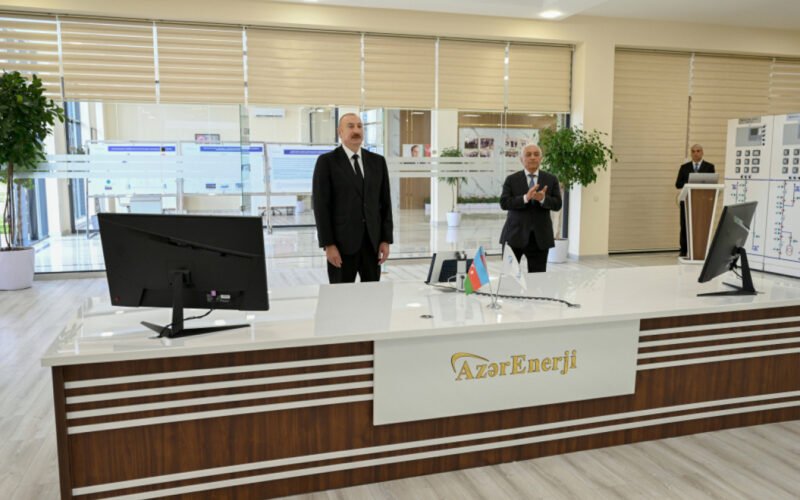
President of Azerbaijan Ilham Aliyev inaugurated the 220/110/10 kV Yeni Sangachal substation. The new facility will supply renewable electricity to the Sangachal…
US President Donald Trump shared Congressman Abe Hamadeh's article discussing Azerbaijan's strategic importance with his followers on the Truth Social platform.
📅 July 28, 2026, 11:04
Ilham Aliyev: Biography and Role in the Political Life of Azerbaijan
Ilham Aliyev is one of the most well-known politicians in modern Azerbaijan. He was born in Baku and showed interest in politics and public life from a young age. In 2003, after the death of his father, Heydar Aliyev, who served as the president of the country, Ilham was elected to this position. Since then, he has become a key figure in the political life not only of Azerbaijan but also of the entire Caucasus region.
Aliyev received his education at Baku State University and then continued his studies in Russia and the United Kingdom, which allowed him to develop international connections and an understanding of global politics. His political career encompasses many aspects, including economic development, foreign policy, and security issues.
Political Career of Ilham Aliyev
Ilham Aliyev came to power during a difficult period for Azerbaijan when the country faced economic challenges and conflicts, including a prolonged confrontation with Armenia. His rule is characterized by the active development of the oil and gas industry, which has significantly increased state revenues and improved the living standards of the population.
Under Aliyev's leadership, Azerbaijan has become an important player on the international stage. He actively develops relationships with various countries, including Turkey, Russia, and Western nations. This has made the country a significant transit corridor for energy resources.
Interaction with the Jewish Community of Azerbaijan
Ilham Aliyev is also known for his policy towards ethnic and religious minorities, including the Jewish community. Azerbaijan is one of the few Muslim countries where Jews have the opportunity to freely practice their faith and maintain their cultural traditions. Government support for issues concerning the Jewish community is an important aspect of Aliyev's policies.
Creating conditions for the free functioning of synagogues and Jewish organizations.
Supporting intercultural dialogue and the integration of various ethnic groups.
Facilitating the organization of cultural events aimed at preserving Jewish heritage.
Aliyev emphasizes the importance of a multinational and multi-religious society in Azerbaijan, which contributes to strengthening internal peace and stability in the country.
Economic Development and Energy Policy
Ilham Aliyev's economic policy is focused on diversifying the economy and attracting foreign investment. Azerbaijan is actively developing its energy resources, allowing it to not only meet its own needs but also to export oil and gas to Europe and other regions.
An important project is the Southern Gas Corridor, which ensures gas supplies from the Caspian region to Europe. This project not only strengthens Azerbaijan's economic position but also enhances its standing on the international stage.
Foreign Policy and International Relations
Ilham Aliyev's foreign policy aims to strengthen Azerbaijan's position in international affairs. He actively engages with various international organizations and participates in peacekeeping initiatives. Azerbaijan seeks to create a stable and secure region, which is especially relevant given the conflicts occurring in neighboring countries.
Under Aliyev's leadership, Azerbaijan is developing strategic relations with Turkey, which strengthens their mutual interests in security and economics. Aliyev is also actively working to improve relations with other countries, including Russia and Western nations.
Cultural Heritage and Identity
Ilham Aliyev also actively supports culture and the arts in Azerbaijan. He initiates projects aimed at preserving cultural heritage, including Jewish culture and traditions, highlighting the diversity and uniqueness of Azerbaijan as a multinational state.
An important element of cultural policy is the support of historical memory and respect for various ethnic groups, which contributes to strengthening intercultural dialogue and mutual understanding.
Conclusion
Ilham Aliyev is a figure who plays a key role in modern Azerbaijan. His policies are aimed at strengthening the state, developing the economy, and creating conditions for peaceful coexistence of various ethnic and religious groups. The importance of his work for the Jewish community of Azerbaijan cannot be underestimated, as it contributes to maintaining stability and harmony in society.
Thus, Ilham Aliyev represents an important element in the context of the Jewish community and the policies of a multinational state, where various peoples can coexist and develop together, respecting each other's culture and traditions.