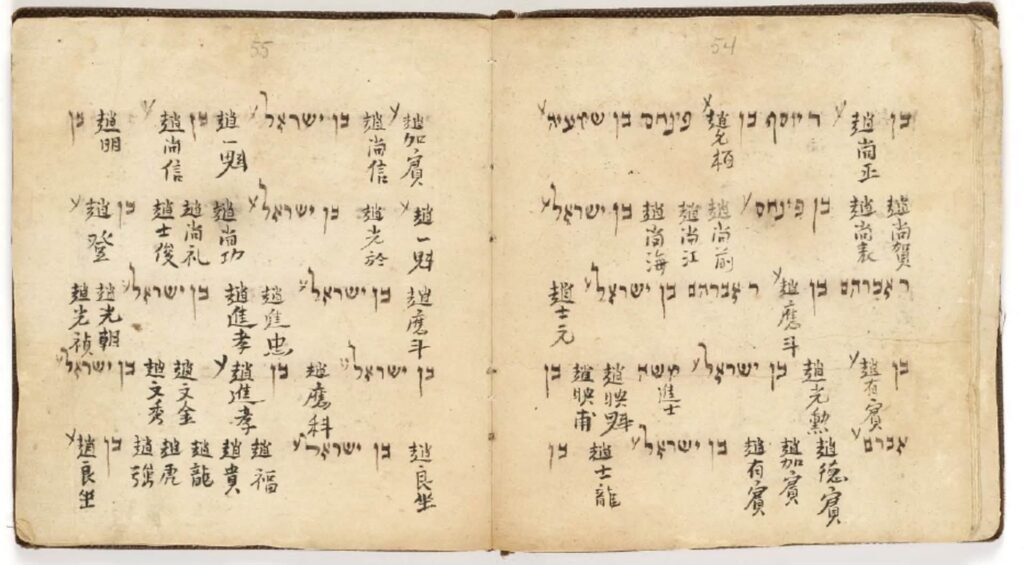
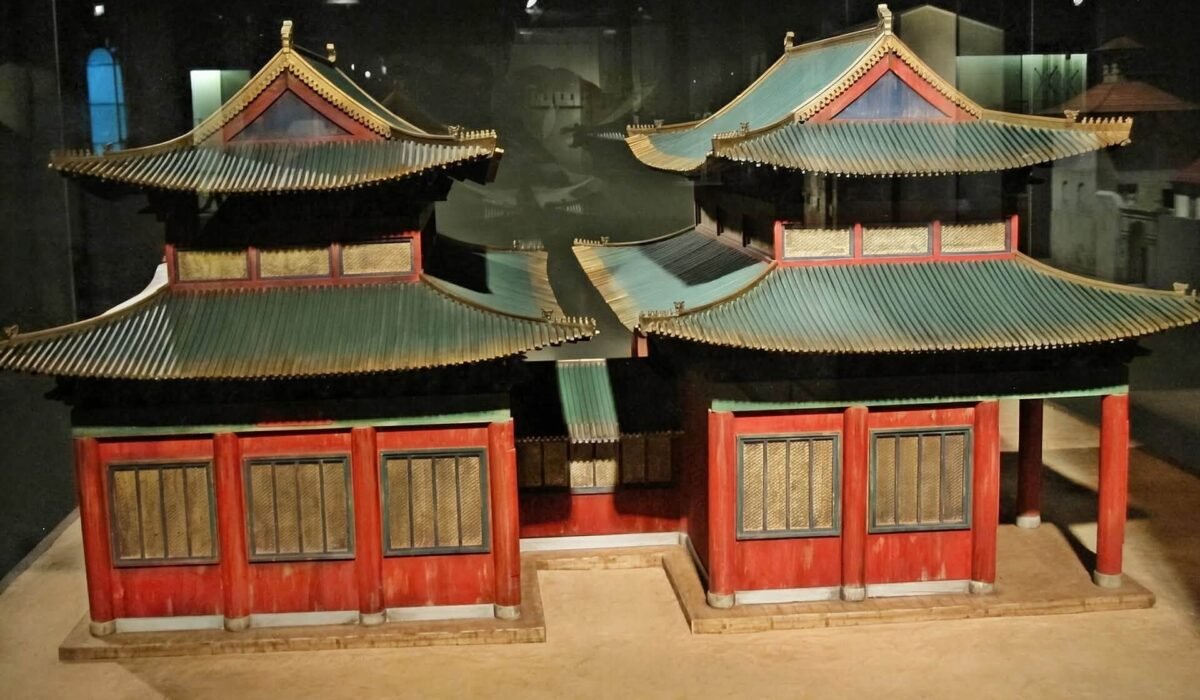
The presence of a Jewish community in the ancient Chinese city of Kaifeng for about a thousand years is one of the most fascinating and lesser-known pages of world history.
According to historians, Kaifeng Jews arrived in China via the Silk Road during the Song dynasty, around the 10th and 11th centuries. Although they adapted to Chinese society over the centuries, they managed to preserve their religious and national identity.
Reportedly, community members spoke Chinese and adopted some local customs. At the same time, they built a synagogue and continued their worship, observed the Sabbath, celebrated Jewish religious holidays, circumcised their boys, and preserved the Torah by copying it by hand.
However, over time, wars, floods, and assimilation led to a decline in the number of Kaifeng Jews. As a result, the synagogue was destroyed, and many families lost access to Jewish religious knowledge and traditions.
Nevertheless, descendants of the Kaifeng Jews still live in China today. Some of them have reconverted to Judaism in recent years, while others have immigrated to Israel, making aliyah.
Historians believe that the story of the Kaifeng Jews is one of the most fascinating examples of the Jewish people preserving their religious and cultural identity in various corners of the world over centuries. The history of this community is considered a rare historical fact reflecting both the cultural connections of the Silk Road and the geographical breadth of the Jewish diaspora.