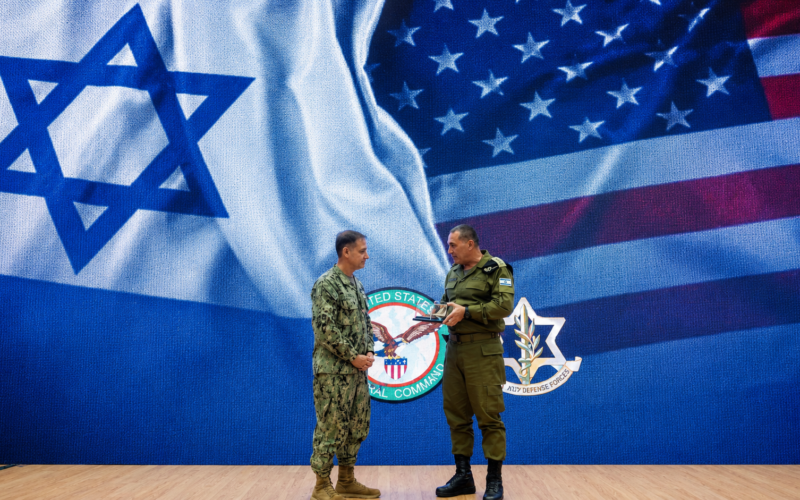
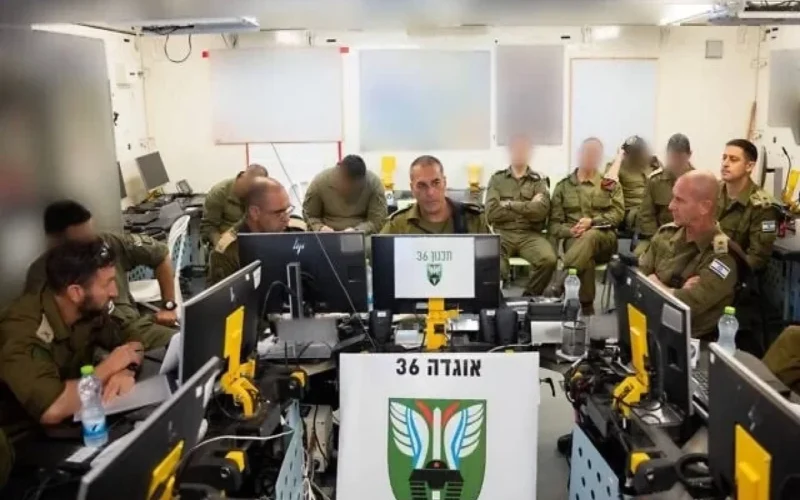
Eyal Zamir: A Key Figure in Israeli Security and Diplomacy
Eyal Zamir is a distinguished Israeli military officer and public servant, known for his extensive career within the Israel Defense Forces (IDF) and his subsequent roles in the public sector. Born in Israel, Zamir rose through the ranks of the IDF, eventually achieving the rank of Major General. He served in several critical command and staff positions, including head of the Planning Directorate, military secretary to Prime Minister Benjamin Netanyahu, and commander of the Southern Command. His diverse military background provided him with deep insights into Israel's security challenges, strategic planning, and operational execution.
Beyond his military service, Eyal Zamir has remained an influential figure in Israeli public life. His experience at the highest levels of national security has made him a valuable voice in discussions concerning Israel's defense policy, regional stability, and international relations. He has been involved in initiatives aimed at strengthening Israel's strategic capabilities and fostering collaborations that support national interests. His career reflects a commitment to public service and the complex task of ensuring Israel's security in a dynamic Middle East.
This section of jnews.az provides comprehensive coverage of Eyal Zamir's activities, statements, and appointments. Readers will find updates on his public roles, analyses of his contributions to Israeli security and diplomatic efforts, and discussions surrounding his strategic perspectives. The articles here offer insights into the impact of his leadership on various aspects of Israeli society and its interactions with the wider world, including his potential relevance to Israeli-Azerbaijani relations where applicable.