2,700-Year-Old Royal Seals of Ancient Kingdom of Judah Found
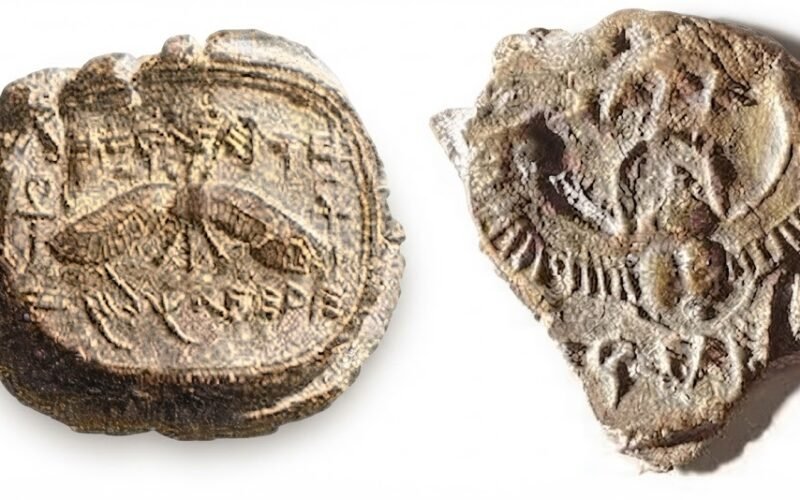
'LMLK' seals found on jar handles dating back approximately 2,700 years in Jerusalem and surrounding areas confirm that the ancient Kingdom of…
Archaeology explores the study of human history and prehistory through the excavation of sites and the analysis of artifacts. Discover key archaeological findings and their significance in this section.

'LMLK' seals found on jar handles dating back approximately 2,700 years in Jerusalem and surrounding areas confirm that the ancient Kingdom of…

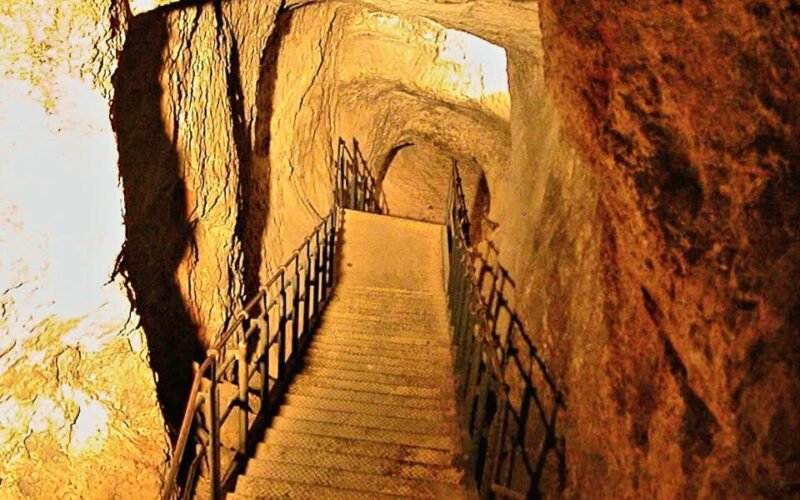
An archaeological site beneath ancient Jerusalem known as Warren's Shaft has re-emerged in scientific debates. Researchers are examining whether it served as…

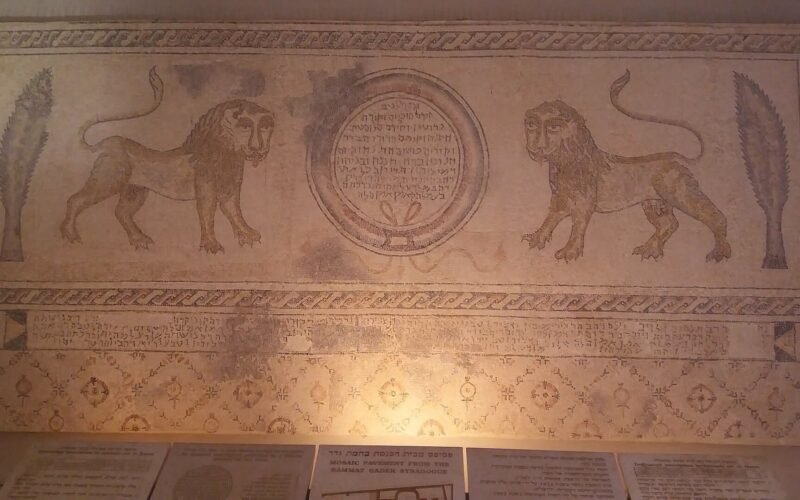
A roughly 1,500-year-old mosaic floor discovered in an ancient Jewish synagogue in Israel's Hamat Gader region provides important information about the religious…

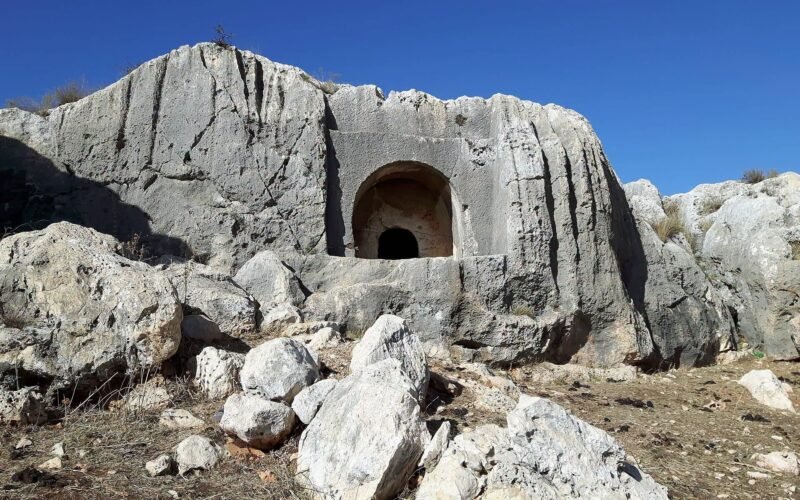
An ancient Jewish family tomb, believed to date back approximately 2,000 years, located in the Khirbet Kurkush settlement in Israel's Samaria region,…

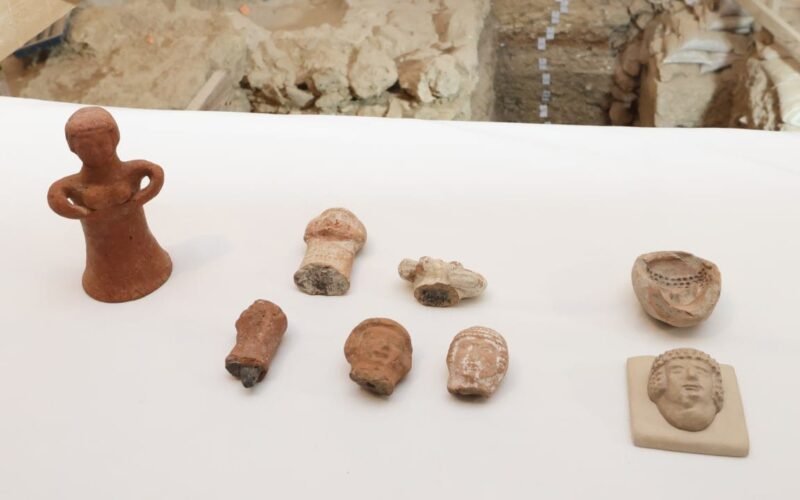
Archaeologists in Jerusalem have unearthed a rare First Temple-era mold used for producing Judean Pillar Figurines during recent excavations.

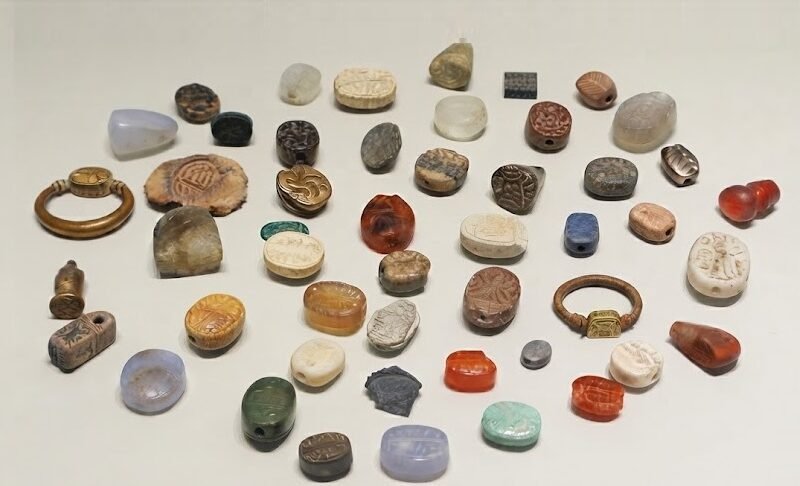
Approximately 2,700-year-old ancient Hebrew seals exhibited at the Israel Museum in Jerusalem are among the most important archaeological finds from the Kingdom…

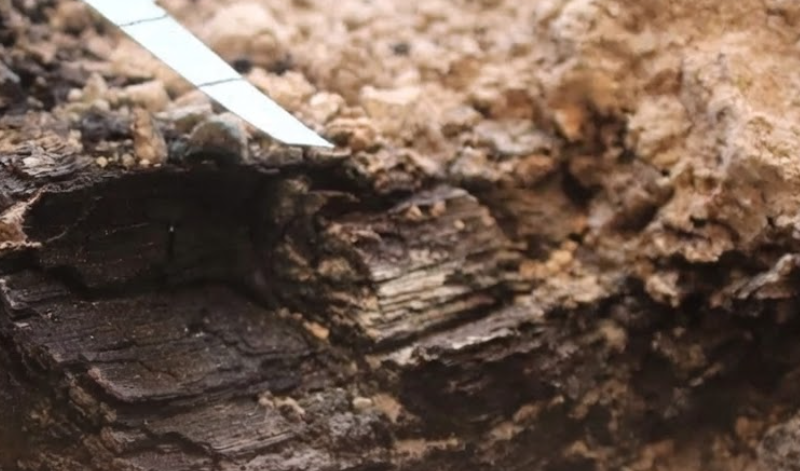
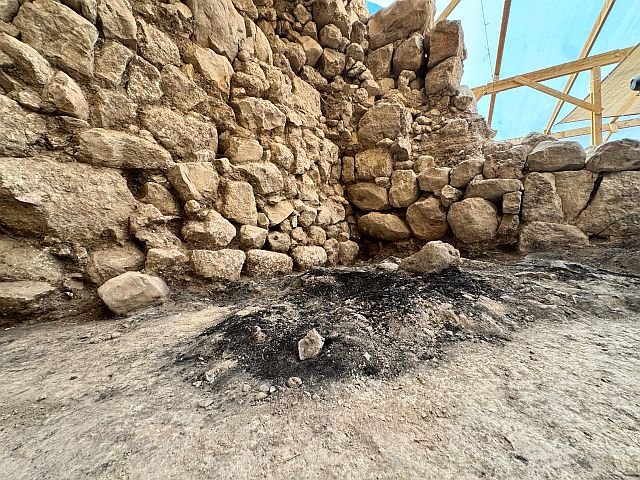
Rare wooden beams from the destruction of the First Temple in 586 BCE have been discovered in Jerusalem. The Israel Antiquities Authority…

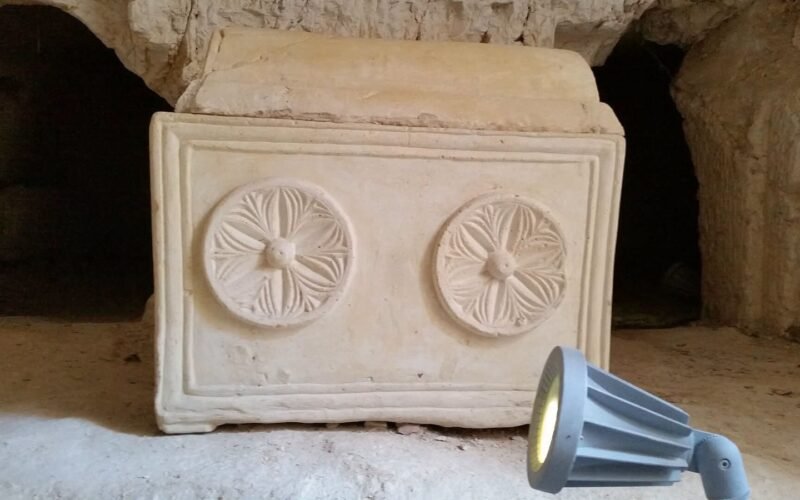
The Nicanor tomb on Mount Scopus in Jerusalem is a significant Second Temple-era site. Experts believe this burial complex is linked to…

Burnt wooden beams dating back to the destruction of the First Temple have been discovered during archaeological excavations in the City of…

An ancient seal provides significant insights into state administration in ancient Israel.
Archaeology is the scientific study of human activity through the recovery and analysis of material culture. This field investigates past human societies, their development, and their interactions by examining artifacts, architecture, biofacts, and cultural landscapes. Through systematic excavation and careful interpretation, archaeologists reconstruct ancient ways of life, technologies, economies, and social structures. Key discoveries continually reshape our understanding of humanity's long and complex journey.
Archaeology holds particular significance for Jewish and Israeli contexts, as numerous historical and religious narratives are deeply intertwined with the archaeological record of the Land of Israel and the broader ancient Near East. Excavations in Israel have unearthed critical evidence relating to biblical periods, early Jewish settlements, the Roman era, and later historical developments, providing tangible links to millennia of Jewish history and heritage. These findings often corroborate, illuminate, or challenge historical texts, offering a richer, more nuanced picture of the past. The study of ancient sites, from Jerusalem to Masada and Qumran, provides invaluable insights into the origins and evolution of Jewish culture and religion.
In this section of jnews.az, readers will find articles detailing recent archaeological discoveries, analyses of significant historical sites, and discussions on how these findings impact our understanding of Jewish history, Israeli heritage, and the broader cultural landscape. We cover major excavations, new interpretations of ancient texts, and the ongoing efforts to preserve and study the rich archaeological heritage of the region, ensuring that factual and neutral reporting remains at the forefront.