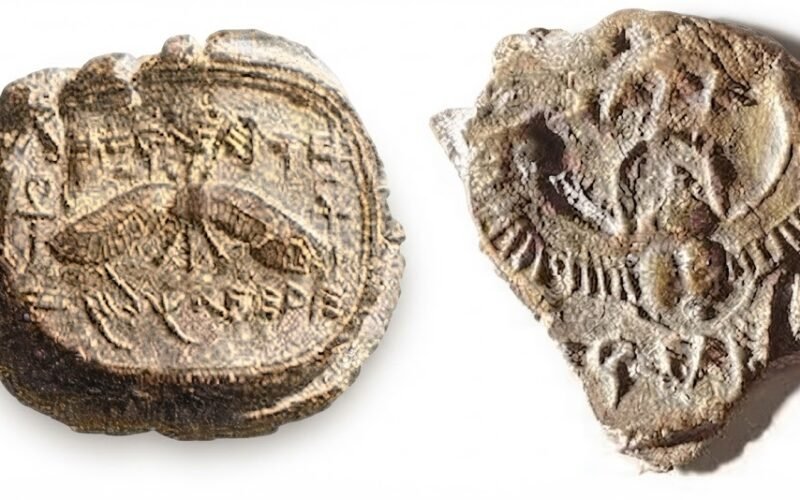
Kingdom of Judah: Ancient Jewish State and Spiritual Legacy
The Kingdom of Judah was an ancient Jewish state that emerged in the southern Levant following the division of Solomon's unified kingdom around 930 BCE. Centered in Jerusalem, it encompassed the territories of Judah and Benjamin, becoming the smaller but historically significant counterpart to the northern Kingdom of Israel. The kingdom maintained its independence for approximately three and a half centuries, serving as the primary custodian of Jewish religious traditions, including the Temple in Jerusalem and the Torah's spiritual authority.
Judah's political history was marked by periods of strength and vulnerability, influenced by interactions with surrounding powers including Egypt, Assyria, and Babylon. The kingdom's rulers, descendants of the Davidic dynasty, were seen as legitimate heirs to King David's throne—a concept that would shape Jewish messianic expectations for centuries. The reign of King Hezekiah and later King Josiah represented periods of religious reform and cultural flourishing, though external pressures constantly threatened stability.
The kingdom's fall to Babylon under Nebuchadnezzar II in 586 BCE marked a pivotal moment in Jewish history, leading to the Babylonian exile and transforming Jewish identity from territorial-political to religious-cultural. At jnews.az, our Kingdom of Judah coverage explores this foundational period of Jewish civilization, examining its governmental structures, religious significance, archaeological discoveries, and enduring influence on contemporary Jewish and world history.