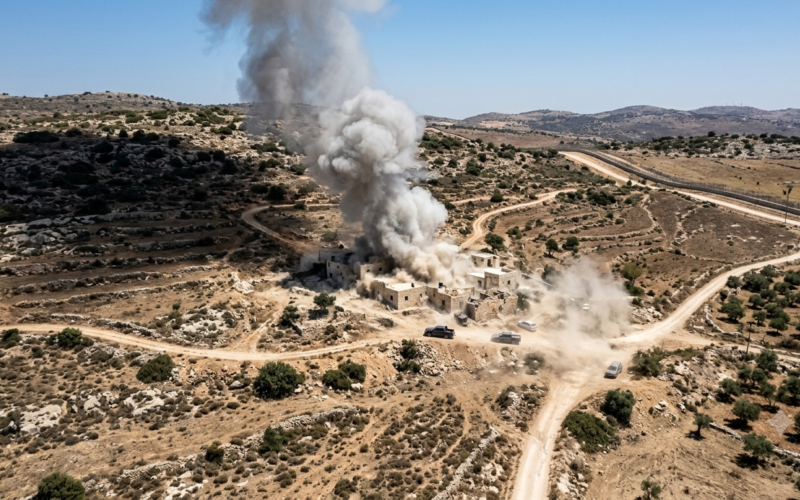
Anti-Tank Weapons
Anti-tank weapons are specialized military systems designed to penetrate armor and neutralize armored vehicles, particularly main battle tanks. These include guided missiles, rocket-propelled grenades, portable launchers, and kinetic projectiles. Modern anti-tank technology has evolved significantly, with advanced guided systems offering precision strike capabilities at extended ranges. Such weapons have become critical components of contemporary military arsenals, particularly in asymmetric conflicts and defensive operations against superior armored forces.
The development and proliferation of anti-tank weapons have transformed modern warfare, enabling smaller forces to effectively counter mechanized threats. Systems like Javelin, Kornet, and Panzerfaust variants represent different technological approaches, from infrared-guided missiles to unguided rockets. These weapons hold particular strategic importance in Middle Eastern and Caucasian regional security contexts, where territorial disputes frequently involve mechanized warfare and armor-heavy forces.
In the jnews.az coverage, anti-tank weapons discussions address their role in regional conflicts, procurement by defense forces, international arms transfers, and their implications for military balance in the Eastern Mediterranean and South Caucasus regions. Understanding these systems provides insight into modern military capabilities, defensive strategies, and the evolving nature of armed conflicts affecting Jewish and Israeli security interests.