Tefillin: Sacred Objects in Jewish Prayer
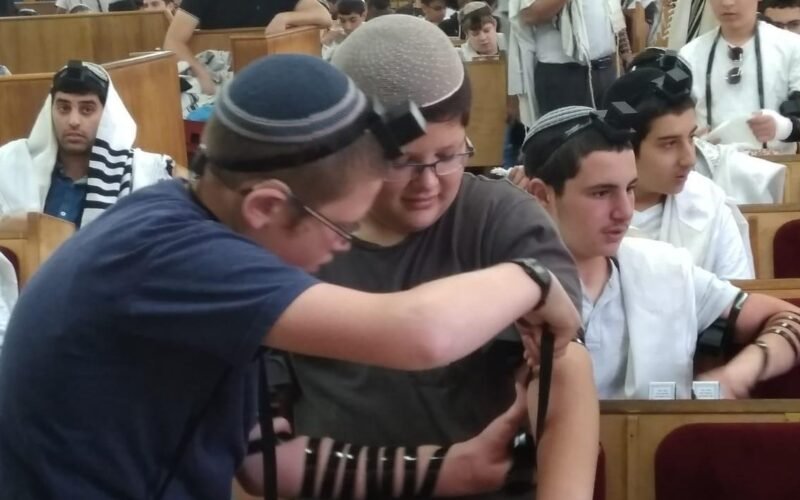
Tefillin, also known as phylacteries, are small leather boxes containing handwritten scrolls of Torah passages. Observant Jewish men wear them during weekday morning prayers as a direct fulfillment of biblical commandments found in Deuteronomy and Exodus. One box, called the arm tefillin, is fastened to the left arm above the elbow, while the head tefillin is placed on the forehead between the eyes.
The practice has been central to Jewish religious life for thousands of years, representing a physical connection to divine instruction and the covenant between God and the Jewish people. The scrolls inside contain the Shema prayer and other sacred passages. Donning tefillin requires specific blessings and ritual procedures, with proper positioning and tightening essential to fulfilling the commandment correctly.
News and articles in this section cover tefillin-related topics including religious practices, traditions, historical significance, and contemporary discussions within Jewish communities worldwide. Coverage includes perspectives from different Jewish denominations and how this ancient practice remains vital in modern Jewish spiritual life.