

World
US-Iran tensions: Bases struck, Strait of Hormuz closed
Middle East, June 12 - Mutual military strikes between Washington and Tehran have escalated tensions in the Middle East to a peak.…
📅 July 12, 2026, 16:54
Middle East, June 12 - Mutual military strikes between Washington and Tehran have escalated tensions in the Middle East to a peak.…
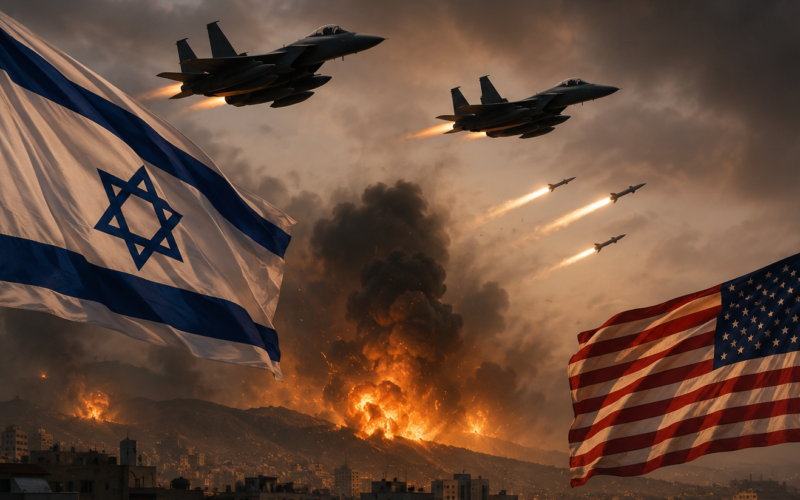
Israel is ready to join possible new U.S. military operations against Iran. However, the final decision in this direction depends on the…

US President Donald Trump and Israeli Prime Minister Benjamin Netanyahu discussed tensions in the Middle East and regional security issues.
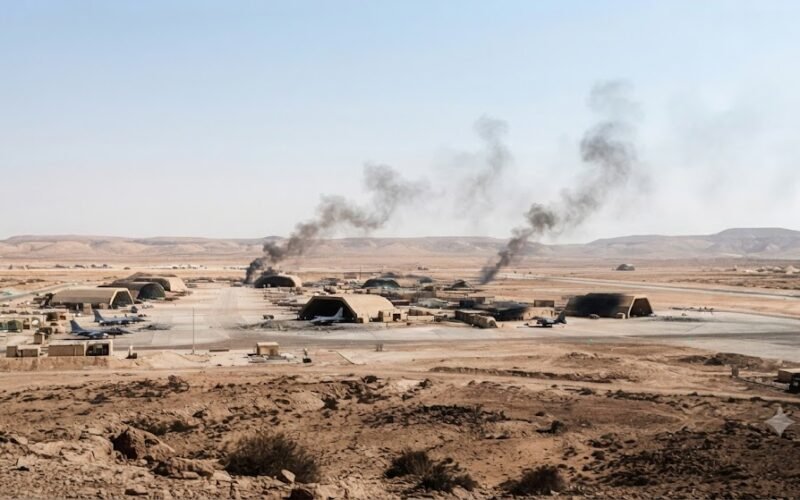
Iran is reported to have launched ballistic missiles toward Jordan. The attack caused powerful explosions in the east of the country.

US military forces struck Iranian infrastructure in the north with fresh strikes. The White House estimates the confrontation could last days, weeks,…

The European Union Aviation Safety Agency (EASA) has issued new safety recommendations for airlines operating in the Middle East region amid escalating…
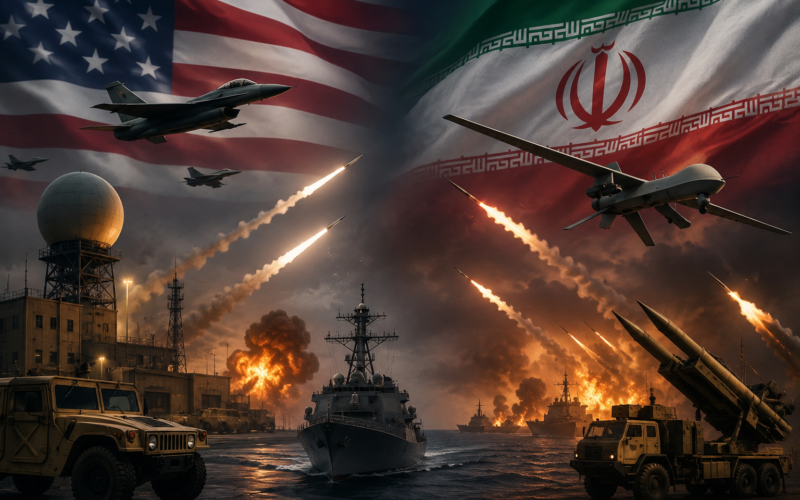
Iran's Islamic Revolutionary Guard Corps (IRGC) has announced a large-scale operation against US military facilities in the Middle East.
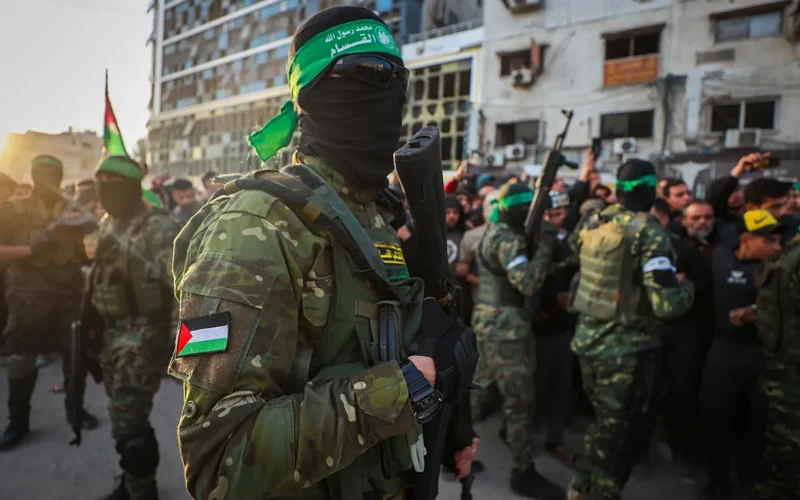
Hamas is preparing to formally announce the dissolution of the administrative structure that has been performing de facto government functions in Gaza…
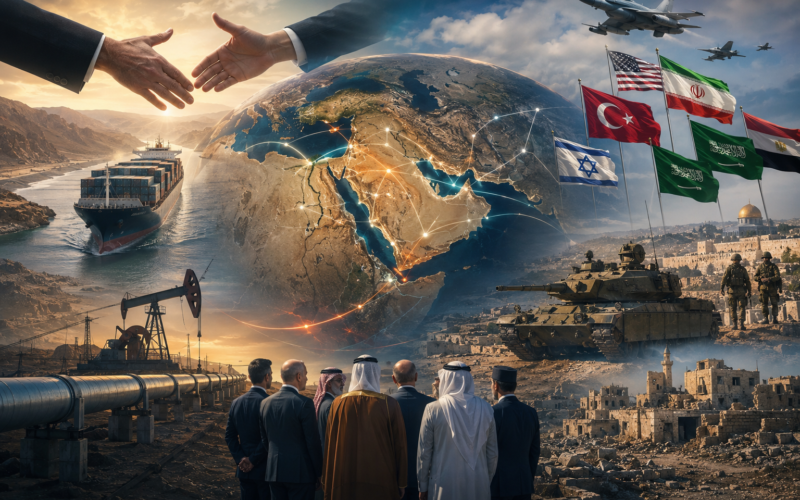
A paradigm shift: how new regional alliances are redrawing the map of the Middle East.
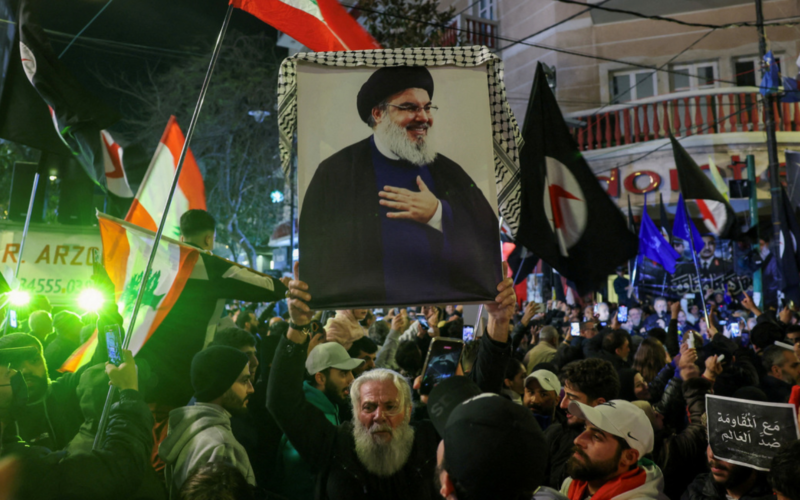
Lebanese Parliament Speaker Nabih Berri has initiated the creation of a broad political front to counter the framework agreement with Israel, concluded…
The Middle East is a region that holds immense historical, cultural, and geopolitical significance. Spanning parts of Western Asia and North Africa, it is often referred to as the cradle of civilization, where some of the world’s earliest societies and religions emerged. The region encompasses a variety of landscapes, cultures, and peoples, making it one of the most diverse areas globally.
The Middle East is typically defined as including countries such as Saudi Arabia, Iran, Iraq, Israel, Jordan, Lebanon, Syria, and Turkey, among others. The region is characterized by its diverse geography, which includes vast deserts, mountain ranges, and fertile river valleys. The Tigris and Euphrates rivers, which flow through Iraq, are historically significant as they supported some of the earliest human settlements, including ancient Mesopotamia.
Strategically located at the crossroads of Europe, Asia, and Africa, the Middle East has been a focal point for trade and cultural exchange for centuries, facilitating interactions among various civilizations. This geographical significance has also made the region a hotspot for political conflicts and diplomatic negotiations throughout history.
The history of the Middle East is rich and complex, marked by the rise and fall of empires, the spread of religions, and significant cultural developments. The region is the birthplace of Judaism, Christianity, and Islam, three of the world’s major religions. Each of these faiths has left a profound impact on the cultural and social fabric of the area.
Throughout history, the Middle East has been home to numerous influential empires, including the Sumerians, Babylonians, Persians, Greeks, Romans, Byzantines, and Ottomans. Each of these empires contributed to the region’s cultural heritage, leaving behind architectural marvels, philosophical ideas, and advancements in science and technology.
The Jewish presence in the Middle East dates back thousands of years, with ancient Jewish kingdoms such as Israel and Judah existing in the region. Throughout history, the Jewish community faced periods of prosperity and adversity, leading to the establishment of diasporas around the world, including in Azerbaijan. The Jewish population in Azerbaijan has deep historical roots, with a significant presence that has contributed to the cultural diversity of the country.
The Middle East is home to a mosaic of cultures, languages, and ethnic groups. While Arabic is the predominant language, other languages such as Persian, Turkish, Hebrew, and Kurdish are also widely spoken. This linguistic diversity reflects the rich tapestry of ethnic groups present in the region, including Arabs, Persians, Kurds, Turks, and Armenians, among others.
Religious diversity is another hallmark of the Middle East. In addition to the three major monotheistic religions, the region is home to various sects and beliefs, including Druze, Yazidis, and Bahá'ís. This diversity contributes to a vibrant cultural landscape, evident in the region's art, music, literature, and cuisine.
The Middle East remains a focal point of global interest due to its geopolitical significance, particularly regarding energy resources, security concerns, and ongoing conflicts. The discovery of oil in the early 20th century transformed the region’s economies and elevated its strategic importance on the world stage.
Conflicts such as the Israeli-Palestinian dispute, the Syrian civil war, and tensions between Iran and its neighbors have drawn international attention and involvement. These conflicts have significant implications for global politics, security, and economic stability, often resulting in humanitarian crises that affect millions of people.
The role of diplomacy in the Middle East cannot be overstated. Various international organizations and countries actively engage in peace processes to address ongoing conflicts and promote stability in the region. The importance of interfaith dialogue and cultural exchange is also recognized as a means to foster understanding and cooperation among diverse communities.
The Jewish community in Azerbaijan has a unique and historical connection to the broader Middle Eastern context. Azerbaijan, located at the crossroads of Eastern Europe and Western Asia, has served as a bridge between different cultures and civilizations. The presence of Jews in Azerbaijan dates back to ancient times, and the community has maintained its cultural identity while contributing to the country’s rich heritage.
The Jewish population in Azerbaijan has traditionally enjoyed a relatively harmonious existence, characterized by tolerance and mutual respect among different ethnic and religious groups. This environment has allowed the Jewish community to thrive, preserving its traditions and customs while actively participating in the social and cultural life of the country.
The relationship between Azerbaijan and Israel is also noteworthy, marked by diplomatic ties and cooperation in various fields, including trade, technology, and defense. This partnership is rooted in shared interests and values, emphasizing the importance of interfaith dialogue and cultural exchange in promoting peace and understanding in the region.
The Middle East is a region of profound historical significance, cultural diversity, and contemporary geopolitical importance. Its rich tapestry of civilizations, religions, and ethnicities has shaped the world in countless ways. The Jewish community in Azerbaijan serves as a testament to the enduring legacy of the region, illustrating how diverse cultures can coexist and contribute to a shared history.
As the Middle East continues to navigate its complex challenges and opportunities, the importance of fostering dialogue, understanding, and cooperation among its diverse peoples remains crucial. The lessons learned from the past can guide the way toward a more peaceful and inclusive future for all inhabitants of this historically rich region.