
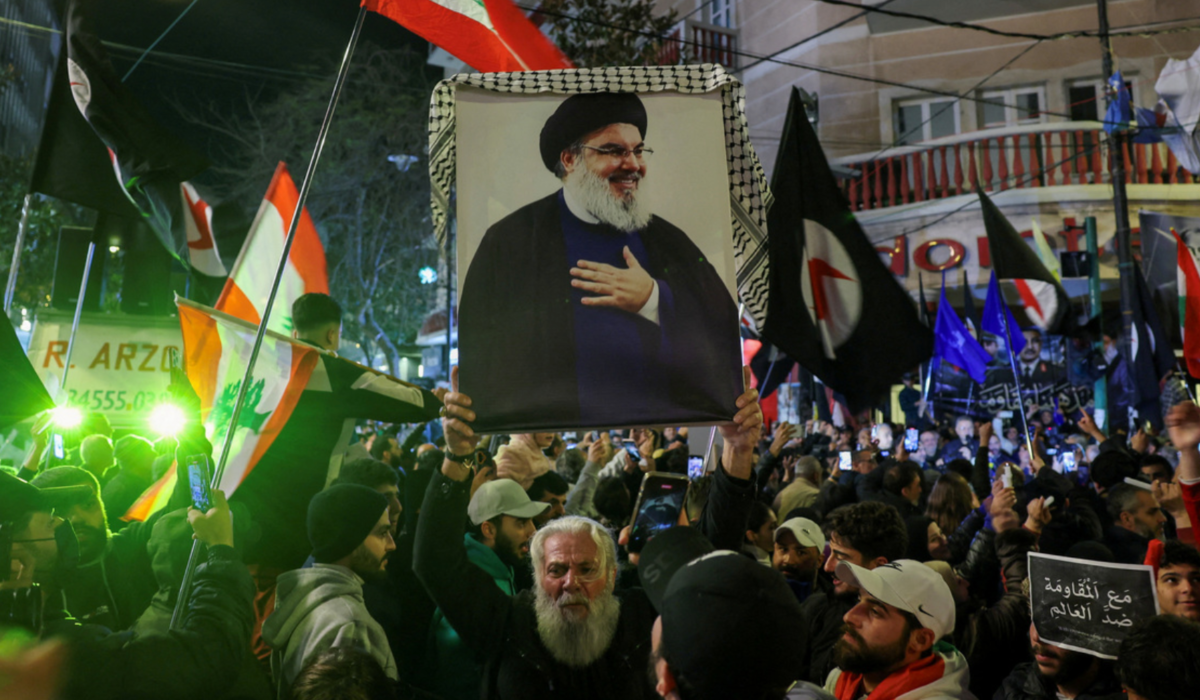
The framework agreement between Lebanon and Israel, signed in Washington, has caused serious political disagreements in Beirut. According to "An-Nashra" newspaper, Parliament Speaker Nabih Berri, considered an ally of "Hezbollah," has led the formation of an opposition to this document. At the same time, the politician seeks to avoid escalation and internal conflict.
According to political sources cited by journalist Muhammad Alloush, Nabih Berri was surprised by the extent of concessions made by the Lebanese side. In his assessment, the final provisions of the agreement go far beyond the positions discussed in previous stages of negotiations.
Despite his disagreement, the speaker refused a public confrontation. Instead, he chose a political campaign tactic to prevent a deepening of the societal rift. Berri instructed the leadership of his "Amal" movement to avoid harsh rhetoric and not to bring protests to the streets, fearing inter-confessional clashes.
Opposition to the agreement, according to Berri's plan, should be conducted exclusively in the political and constitutional spheres. He expects to create a broad coalition uniting representatives of various confessions and political views. The speaker believes that dissatisfaction with the terms of the deal also exists within the Sunni community, as well as among other figures who are not allies of "Hezbollah" on other issues.
Sources note that opponents of the agreement are united by a common opinion: Lebanon conceded more than it gained. However, the reasons for their dissatisfaction vary. Some reject the very idea of concessions to Israel, others criticize specific points of the agreement, and still others express concern about Lebanon's sovereignty.
At the same time, supporters of the agreement insist on its necessity. They argue that under the current circumstances, this was the only way to end hostilities, stabilize the situation, and open the way for the country's recovery with the support of the international community. In their opinion, any alternative would mean a continuation of the military conflict.
It is reported that Nabih Berri is preparing for a new stage of political struggle, which will take place in state institutions and the legal sphere. He also intends to seek support from other Arab states. Sources warn that Lebanon is entering a new political period where the previous division into "March 8" and "March 14" camps may be replaced by opposition around the Washington agreement, which carries risks of destabilization.