
Analysis
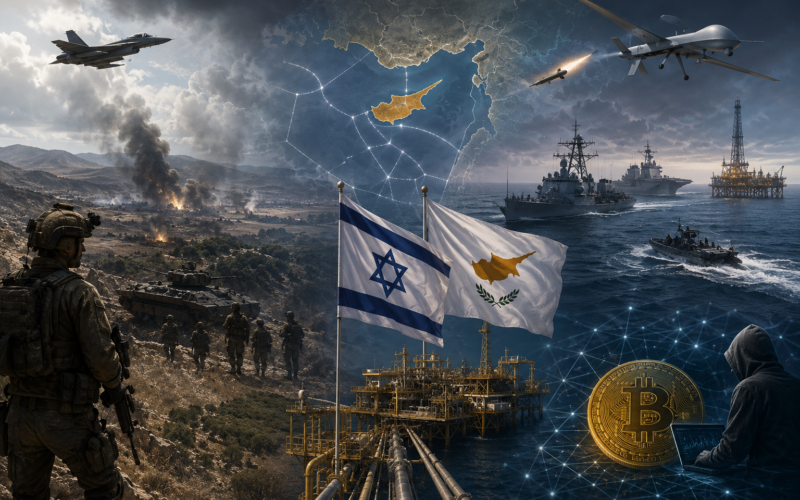
Military-Political Challenges: From the Lebanese Front to Control Over Gas Resources
Geopolitics under fire: why Israel is shifting its strategy in the Eastern Mediterranean
📅 July 2, 2026, 12:19
Geopolitics under fire: why Israel is shifting its strategy in the Eastern Mediterranean
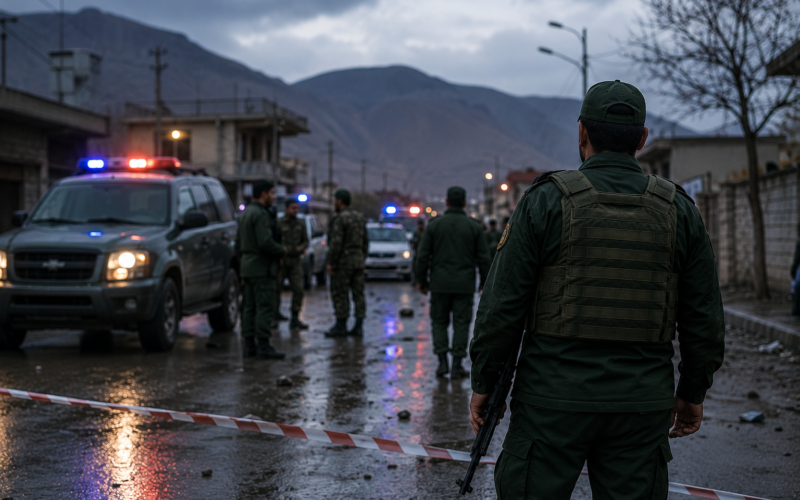
An armed attack was carried out against members of the Islamic Revolutionary Guard Corps (IRGC) in Paveh, a city in Kermanshah province,…
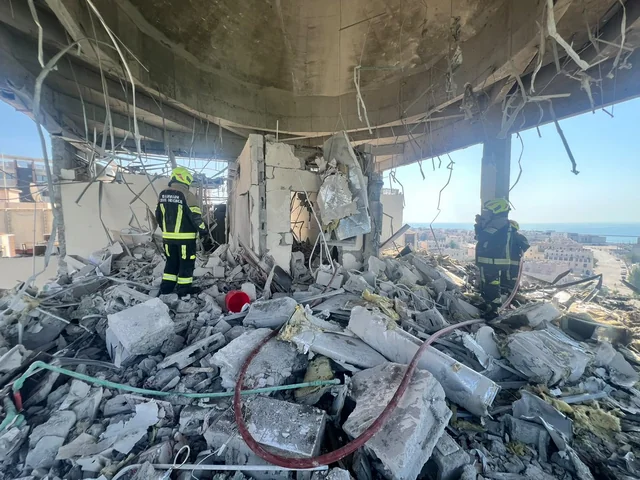
Bahrain's Ministry of Interior reported that a residential building in Muharraq Governorate was damaged as a result of an Iranian attack, but…
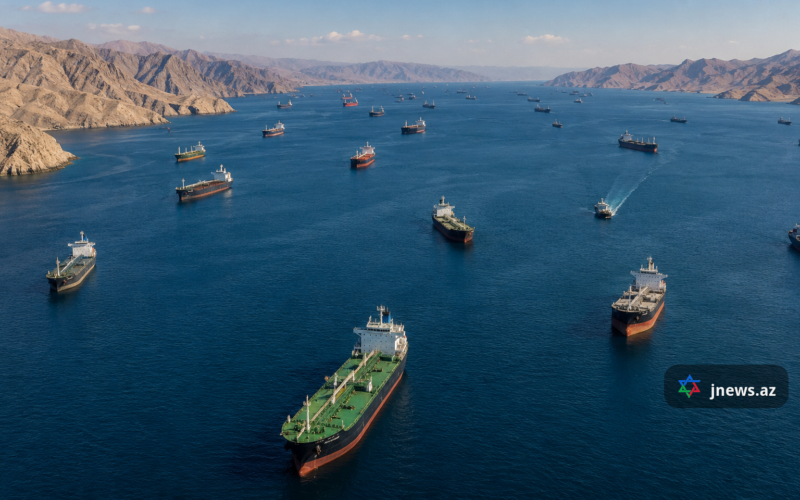
Oman and the International Maritime Organization announced the creation of a safe corridor for vessels. In response, Iran's Islamic Revolutionary Guard Corps…
The Islamic Revolutionary Guard Corps (IRGC), established in 1979 after the Iranian Revolution, is a powerful military and political entity in Iran. It serves not only as an armed force but also as a key player in the country's political landscape, economy, and foreign policy. The IRGC's influence extends beyond Iran's borders, making it a significant actor in regional geopolitics, particularly in the Middle East. This text delves into the concept of the IRGC, its historical context, its current relevance, and its connection to broader themes including the Jewish community in Azerbaijan and interfaith dialogue.
The IRGC was founded with the primary objective of safeguarding the Islamic Republic's political system and has evolved into a multifaceted organization with various branches, including ground forces, naval forces, and the aerospace division. Initially, its role was to counteract potential threats from domestic and foreign adversaries, especially during the tumultuous years following the 1979 revolution.
Over the decades, the IRGC has played a crucial role in various conflicts and political movements across the region. Its involvement in the Iran-Iraq War (1980-1988) solidified its military reputation, while its engagement in conflicts in Lebanon, Syria, and Iraq showcased its capacity to project power beyond Iranian borders. The IRGC's Quds Force, a special unit tasked with extraterritorial operations, has been instrumental in supporting allied groups and militias, further extending Iran's influence throughout the Middle East.
In recent years, the IRGC has been at the forefront of Iran's confrontations with the West, particularly the United States. The organization's designation as a terrorist group by the U.S. in 2019 marked a significant escalation in tensions. This classification reflects the IRGC's involvement in supporting militant groups and its role in destabilizing actions across the region.
Furthermore, the IRGC's actions have implications for Israel and the Jewish community globally. Iran's support for anti-Israel groups, such as Hezbollah and Hamas, has led to heightened tensions and security concerns for Israel, impacting the broader Middle Eastern geopolitical landscape.
The Jewish community in Azerbaijan is known for its historical coexistence with other ethnic and religious groups. As Azerbaijan maintains a strategic partnership with Israel, the IRGC's actions and Iran's policies can directly influence the security and diplomatic relations in the region. The Azerbaijani government's stance on Iran, shaped by the IRGC's activities, is essential for maintaining peace and stability in the South Caucasus.
Moreover, the IRGC's regional maneuvers can affect interfaith dialogues, such as those promoted by the Jewish community in Azerbaijan. By fostering relationships and understanding among different cultures and religions, Azerbaijani Jews contribute to a broader narrative of peace and coexistence that counters the divisive actions associated with the IRGC.
The IRGC's role in regional security is multifaceted, as it is involved in both defensive and offensive operations. Its support for various proxy groups, including Shiite militias in Iraq and Lebanon, has created a network of influence that complicates the security dynamics of the region. The IRGC's activities often challenge the interests of neighboring countries, including Israel, Saudi Arabia, and Azerbaijan.
In Azerbaijan, the government remains vigilant in monitoring the IRGC's influence, balancing its relations with Iran while strengthening ties with Israel. This delicate balance is crucial for maintaining national security and fostering a stable environment for the Jewish community, which thrives on mutual respect and cooperation with other faiths.
Beyond its military and political functions, the IRGC also plays a significant role in promoting an ideological narrative that aligns with the Islamic Republic's values. The Corps is involved in cultural initiatives aimed at reinforcing the Islamic identity and revolutionary ideals within Iran. This ideological dimension is essential for understanding the IRGC's motivations and actions on both domestic and international fronts.
The IRGC's ideological stance can sometimes clash with the values of secular and diverse communities, including the Jewish community in Azerbaijan. However, the emphasis on interfaith dialogue and cultural exchange can serve as a counter-narrative to the IRGC's more radical elements, promoting peace and understanding in a region often fraught with conflict.
As the IRGC continues to shape Iran's domestic and foreign policies, its influence remains a critical factor in understanding the geopolitical landscape of the Middle East. The organization's actions have far-reaching implications for regional stability, international relations, and interfaith dynamics.
For the Jewish community in Azerbaijan, the IRGC's activities underscore the importance of fostering dialogue and cooperation among diverse groups. By promoting understanding and respect, the community can contribute to a more peaceful coexistence in a region where the IRGC's influence is felt profoundly.
In summary, the concept of the IRGC is essential for grasping the complexities of modern geopolitics and interfaith relations, making it a significant topic for exploration and discussion on platforms focused on cultural and historical narratives.