
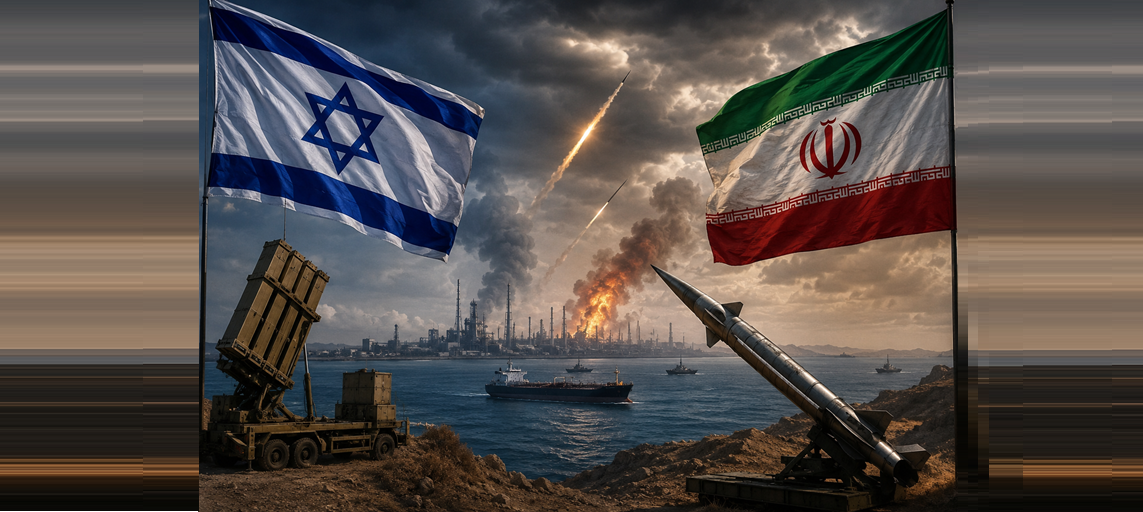
Diplomatic tensions between the US and Iran have deepened. Iran has officially rejected Washington's proposal for a diplomatic resolution to the conflict and the resumption of talks.
US Secretary of State Marco Rubio stated that Washington remains committed to a political and diplomatic resolution to the conflict and continues to keep the door open for reaching an agreement with Tehran.
However, Iranian Foreign Ministry spokesperson Esmail Baghaei declared that his country will not return to talks conducted under pressure and threats.
According to Baghaei, Tehran does not accept the demands put forward by the US and will not back down from its national interests. He emphasized that Iran will firmly protect its legal rights regarding the Strait of Hormuz. The spokesperson added that cooperation with Oman on this issue will continue.
Meanwhile, military tensions in the region are also continuing. According to reports, the US and Israel continue to carry out strikes on Iranian territory. The governor of Iran's Bushehr province has announced that some facilities have been subjected to missile attacks.
At the same time, it was reported that a ship sailing in the Strait of Hormuz was attacked by an unmanned aerial vehicle (UAV).
Another incident increasing regional tension was a missile attack that occurred near the port of Aqaba in Jordan. Observers believe this incident increases the likelihood of Israel being drawn into the conflict on a larger scale.
Israel Defense Forces Chief of Staff Eyal Zamir stated that the military is closely monitoring the situation in the region and is in a state of high combat readiness to respond to any attack that may be carried out against the country.