
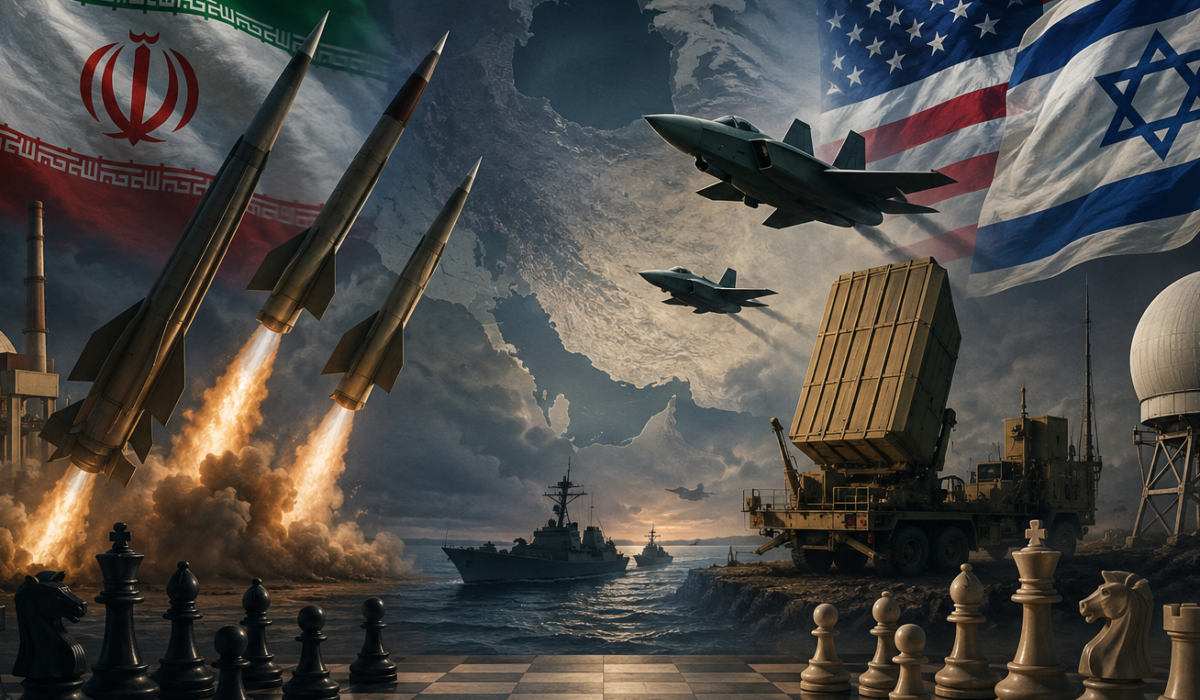
Against the backdrop of ongoing diplomatic efforts and attempts to reach a peace agreement, relations between Iran and the United States have sharply deteriorated. Despite the initial steps toward dialogue, the situation has escalated into an active military confrontation: following reciprocal strikes on military facilities in the Strait of Hormuz region, Tehran’s rhetoric has undergone a dramatic shift.
Official Iranian sources reflecting the position of the Islamic Revolutionary Guard Corps (IRGC) have announced the abandonment of previous restrictions related to the country’s nuclear program. Previously, Iran’s leadership referred to the Supreme Leader’s religious fatwa, which prohibited the development of nuclear weapons on the grounds that they contradicted the principles of humanity. However, officials now argue that the country needs a nuclear arsenal—not for use, according to the official explanation, but solely for the purpose of «deterrence.»
This move has been accompanied by contradictory statements issued on behalf of the Iranian leadership. These include declared intentions to file lawsuits against the United States and Israel in order to seek compensation for damage allegedly caused during military conflicts. This comes at a time when the U.S. side is reportedly prepared to establish a $300 billion compensation fund, raising questions about the consistency of Tehran’s foreign policy approach.
Technological Expansion and Regional Influence
Analysts also highlight several other aspects of regional security:
Israel’s influence: Demand for Israeli defense technologies continues to grow. Even countries such as Saudi Arabia and Qatar, which do not officially maintain diplomatic relations with Israel, are actively deploying Israeli missile defense systems manufactured by Rafael and Elbit Systems on their territories.
European demand: Amid changes in the global security architecture, European countries—including Switzerland, Norway, and Denmark—are turning to Israel to procure air defense systems aimed at protecting their airspace.
The editorial team of jnews.az continues to monitor developments closely. The situation remains highly unstable, and the shift in the Iranian leadership’s rhetoric suggests that regional tensions may continue to escalate.
This material was prepared by the jnews.az editorial team based on an analysis of the current international agenda.