
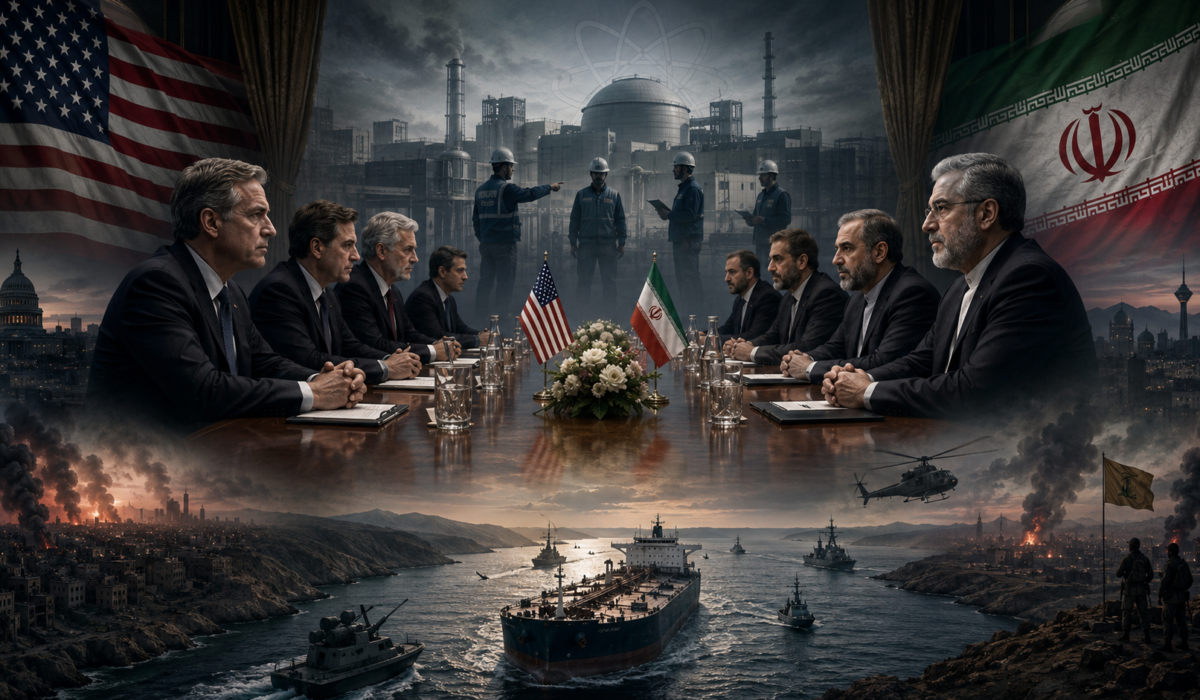
Current negotiations between Washington and Tehran, taking place in Switzerland, increasingly resemble a protracted geopolitical "series," where loud statements about breakthroughs are followed by categorical denials. The American administration set a 60-day deadline for achieving its stated goals, but by mid-summer, it became evident that the gap between the rhetoric of the parties was only widening.
Stalemate over Nuclear Control
The central stumbling block remains the issue of returning IAEA inspectors to Iranian nuclear facilities. Despite optimistic statements from Washington about progress, Tehran officially denies the very fact of such discussions. This ambiguity indicates that the nuclear issue has become a tool of pressure, with each side attempting to impose its agenda. Without verification of the status of nuclear facilities and confirmation of their status, any future deals lose meaning, as there are no guarantees that Tehran will abandon its pursuit of atomic weapons.
The Strait of Hormuz as Pandora's Box
Parallel to diplomatic efforts, Iran is attempting to alter the established system of international shipping in the Strait of Hormuz. The demand for prior submission of applications for vessel passage and attempts to involve Oman in a scheme for joint collection of transit fees directly contradict international maritime conventions.
If Tehran succeeds in solidifying this practice, it will create a dangerous precedent for other key straits worldwide, provoking a revision of the status of international waters in favor of regional players. While Oman resists pressure, insisting on the inviolability of the principle of free navigation, Iran's persistence on this issue demonstrates its readiness for a radical re-evaluation of the rules of the game.
Regional Expansion of the Agenda
The negotiation process, initially focused on bilateral relations and security in the Gulf region, is rapidly acquiring new conditions. Iran is trying to link progress in dialogue to the situation in the Gaza Strip, insisting on expanding demands on Israel. At the same time, a stalemate persists on the Lebanese front: Israel rejects the idea of a full troop withdrawal, insisting on the creation of an effective buffer zone until the issue of Hezbollah's disarmament is resolved.
An additional factor of instability is the activity of government forces on the Lebanese border. The dismantling of minefields and the concentration of resources may indicate preparations for an active phase of operations. Concurrently, special services continue systematic work to identify and neutralize individuals involved in the events of October 7. According to available data, the program to hold participants of the attacks accountable is being implemented systematically, which underscores the immutability of Israel's retaliation strategy.
Outcomes: A Crisis of Trust
The current situation demonstrates a deep crisis in the classical instruments of international diplomacy. Relations between key players are built not on adherence to fixed obligations, but on the situational use of force and political bluff. In the coming weeks, the international community's attention will be focused on three key points: adherence to the "60-day" schedule, the development of the situation around the Strait of Hormuz, and the ability of the parties to prevent regional conflicts from escalating into full-scale war. At present, the diplomatic track appears to be a tool for gaining time, behind which lies preparation for more decisive actions from both sides.