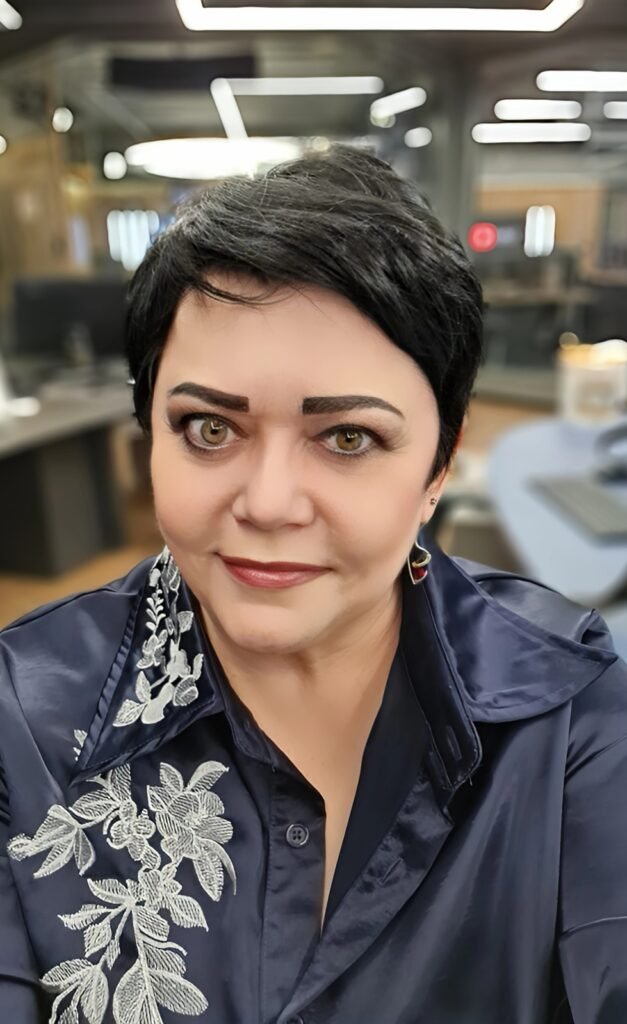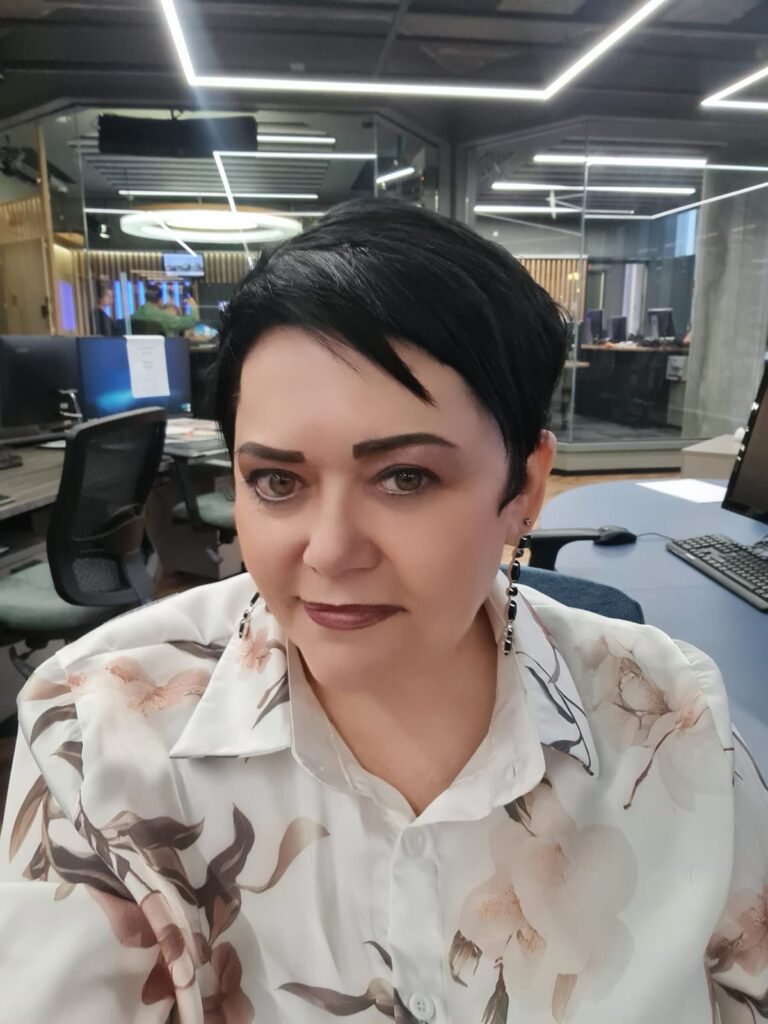
Prominent Israeli journalist Tanya Barskaya shared her thoughts about Azerbaijan and reflected on her years living in Baku in an interview with Jnews.az.
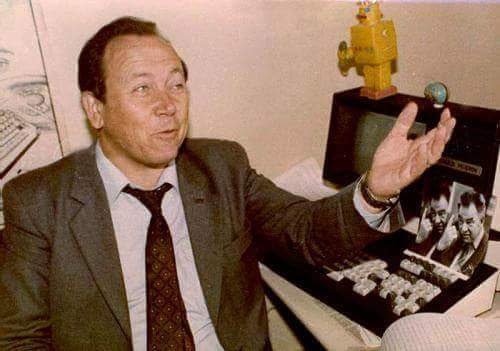
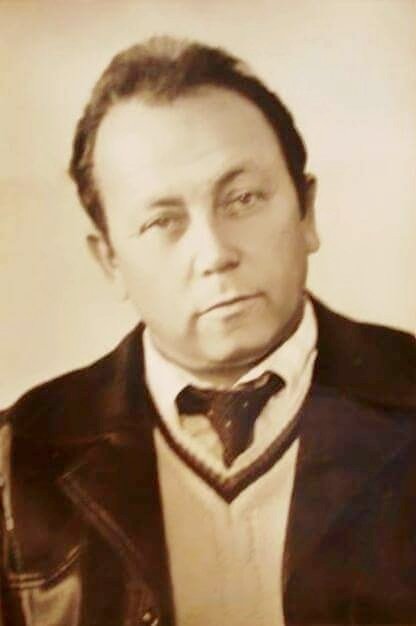
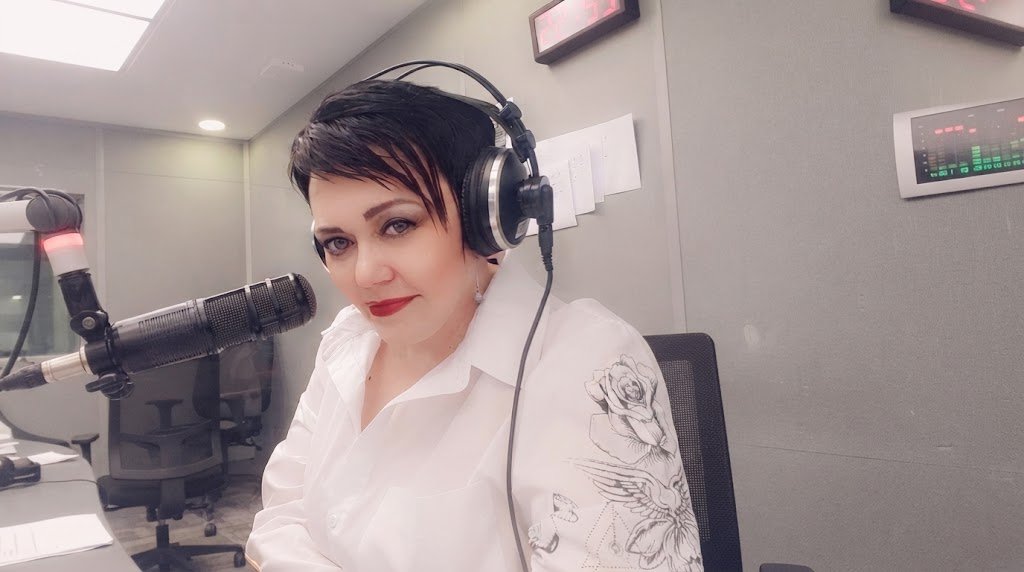
Currently working as a music editor and program presenter at the Russian-language public radio station REKA, Tanya Barskaya is following in the footsteps of her father, Natan Barsky, who worked as an editor at Azerinform.
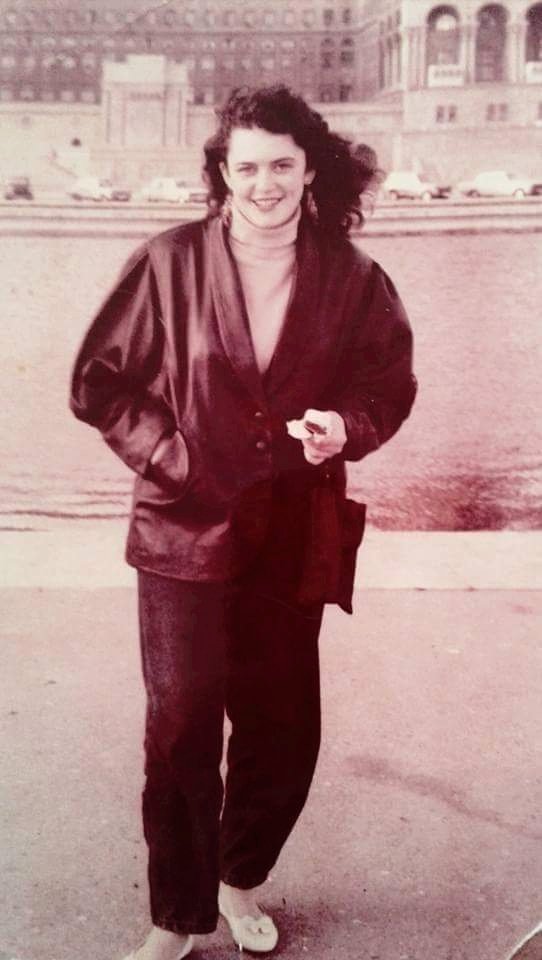
Tanya Barskaya's parents intentionally postponed their emigration to Israel until she graduated with honors from Baku State University with a degree in cultural history.
Those years—from 1988 to 1993—were extremely turbulent. At one point, her parents sent Tanya and her brother to live in the Moscow suburbs to keep them safe. Tanya even prepared her term paper there.
Instability, fear for their children and themselves, financial hardship, and other difficulties drove many people to leave the country at the time. Ethnic Azerbaijanis were also leaving.
Tanya's father, Natan Barsky, had graduated from the history faculty, while her mother had graduated from the journalism faculty of Moscow State University. They met while working at the newspaper Azerbaijan Youth.
Her mother, Valentina Kutsenko-Barskaya, later became the first editor of a young journalist named Yosef Shagal. Shagal would go on to become a member of the Knesset and make significant efforts to bring Azerbaijan and Israel closer together. One of Natan Barsky's deputy editors at AZERTAC was David Kon, another TV presenter well known in Israel.
— How does AZERTAC, where your father worked, remain in your childhood memories?
I started going to my father's workplace at AZERTAC when I was about three years old. For me, it was always a celebration. There were various displays, the first computers, and most importantly, an amazing atmosphere: a huge organism made up of many kind, interesting, and talented people.
They organized informal skits, went on trips outside the city, and joked with each other—a kind of 'other life' prevailed there, and unfortunately, I have nothing else to compare it to.
Our family moved to Israel in 1994. Before that, my father, who was widely known across the republic, was hired at the newspaper Nasha Strana, which had been founded by Shagal and Kon. In 1995, cancer ended his life.
— How did your father's illness and passing affect your family?
We only understood what happened to my father afterwards. Just six months before he passed away, it turned out that he had developed lung cancer for no apparent reason, even though he did not smoke, engaged in sports, and no one in our family had a predisposition to it… Later, doctors explained that severe stress was the cause.
My father kept all of this inside himself. I saw how deeply he took everything happening in Azerbaijan to heart. He worried about his family, even though Jews were still treated very well, as before.
He spoke Azerbaijani fluently from childhood because he grew up in Icherisheher. He had a job he loved and a place he loved, and suddenly there was a leap to a place where everything was different, completely different, not matching the path you had been on and developing along.
My father passed away a year after our family moved to Israel, before he had even turned 57.
New life and the path to journalism
Like her father, Tanya Barskaya began her creative career as a historian-researcher and completed an internship in Khachmaz, but her path to journalism was neither direct nor straightforward.
She began writing for that same newspaper, Nasha Strana, but like many others, she had to work various jobs to establish herself in Israel.
Along the way, the women of the Barsky family cleaned building entrances, cared for elderly women, and worked extra jobs at absorption centers as part of youth projects.
Fortunately, she had relevant experience, as Tanya had already been involved in organizing Jewish summer camps in Azerbaijan. These camps were held at the Genclik pioneer camp, and the Jewish Agency (Sochnut) had sent her to Israel for camp counselor training courses.
Yet no matter how far one goes, family ties connect one to journalism traditions. Thus, her entry into radio was almost predetermined.
Since then, Tanya Barskaya—whom her colleagues affectionately call 'our charming Tanechka' on air—has hosted programs on REKA radio. Her main program is titled Barski Zamashki.
Azerbaijani music and artists
— You also dedicate significant time to Azerbaijani culture in your broadcasts. What work do you do in this area?
We regularly share stories on air about the lives of prominent Azerbaijani performers, playing their songs and musical works. Artists who came from Azerbaijan and currently live in Israel are also guests on our program.
In my neighborhood lives Dina Tumarkina, known to all Bakuvians—a famous actress who performed over 150 roles at the Baku Theater of Young Spectators and the Drama Theater. I visit her often. Recently, for her 94th birthday, I arranged a large bouquet of gladioli, her favorite flowers.
'I have been on the radio for 31 years'
— How does your radio work continue today? What topics do you focus on in your programs?
— I have been on the radio for 31 years. The programs vary, and although much changed on our airwaves after October 7, 2023, at my core I am a cultural specialist. By education I am a historian; I have always loved literature, theater, and poetry. I continue in this vein, though I now also handle additional programs.
Just recently, on August 17, I prepared another program about Muslim Magomayev on the occasion of his birthday. Before that, I prepared a major broadcast dedicated to the prominent jazz musician Vagif Mustafazadeh. It turned out I opened many people's eyes to him here, which is wonderful.
Black January: A terrifying night in Baku
— I know you have painful memories of the events of Black January. How do you remember that day?
I remember the troops entering Baku on Black January. It was scary not only for me, but also for my parents, who had seen a lot in life. The evening before, I had sat down at the table to prepare for an ethnography exam, when suddenly my mother and father turned off all the lights in the apartment. They forbade me from turning on the light, while they stood in the kitchen with windows facing Chapayev Street, where the tram tracks were located.
I approached the window. They told me, 'Quiet!' I looked down and felt sick: tanks were standing on the rails, the barrel of one tank pointed at our nine-story building, and another pointed at the building across, and it was like that everywhere. There were also snipers on the roofs of the houses opposite our building. Those were four-story buildings, lower than ours.
It was a night remembered for the sound of gunfire, ricochets, people dying, and bonfires in the square. In the morning, leaving the university, I saw trails of blood here and there on the streets, with carnations placed on the asphalt beside them. Despite so many years having passed, I cannot forget it.
What would you like to say to the Azerbaijani people and your fellow Bakuvians?
'I am very glad that today Azerbaijan is one of the best countries in the world. Another thing that pleases me is that Jews live here freely and without any pressure. I send warm greetings to Baku and to my fellow Bakuvians.'