
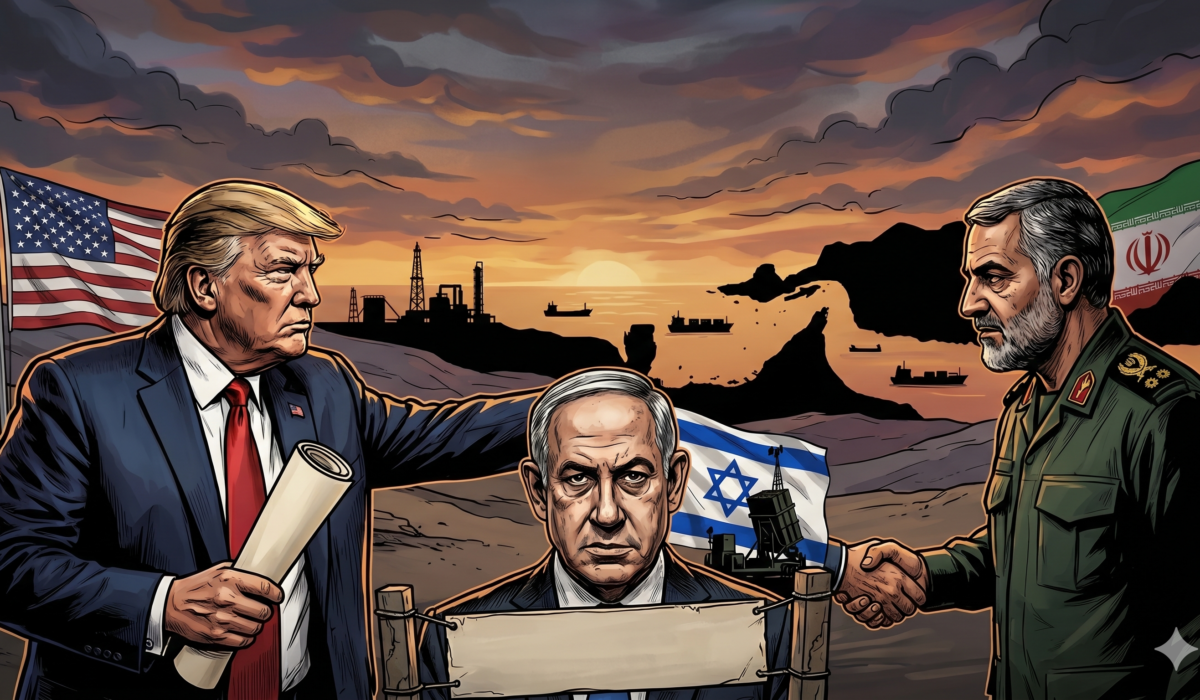
Through intensive diplomatic efforts, the US and Iran have signed an electronic memorandum of understanding, marking a significant shift in Middle Eastern geopolitics.
Key provisions of the agreement
- Cessation of hostilities: The parties have agreed on an immediate and permanent ceasefire on all fronts, including Lebanon.
- Strait of Hormuz: The lifting of the naval blockade and the opening of the strait for free navigation have been announced.
- 60-day negotiation period: After signing the memorandum, the parties will enter a two-month negotiation process to find a comprehensive solution to contentious issues, including Iran's nuclear program.
- Official signing: A solemn ceremony to formalize the agreements is scheduled for June 19 in Geneva (Switzerland).
Important nuances and positions of the parties
Finance: US Vice President Jay Dee Vance denied reports of unblocking $24 billion in frozen Iranian assets, emphasizing that no new financial aid to Tehran is foreseen under the agreement.
Israel's position: Official Jerusalem does not consider itself a party to this agreement. Israeli authorities stated that they do not intend to withdraw troops from buffer zones and will continue to respond harshly to any attacks originating from territories controlled by terrorist groups.
Prospects: Donald Trump expressed hope that the agreements reached will stabilize the situation in the region, after which he intends to focus on resolving the Russian-Ukrainian conflict. At the same time, Iran's Ministry of Defense stated that it intends to maintain a high degree of combat readiness during the truce, reserving the right to decisive action in case of non-compliance with obligations by the American side.
Stay tuned for updates, as the official text of the memorandum has not yet been published, and the details of the monitoring process for compliance with the terms remain subject to discussion.