
VIDEO
Incidents
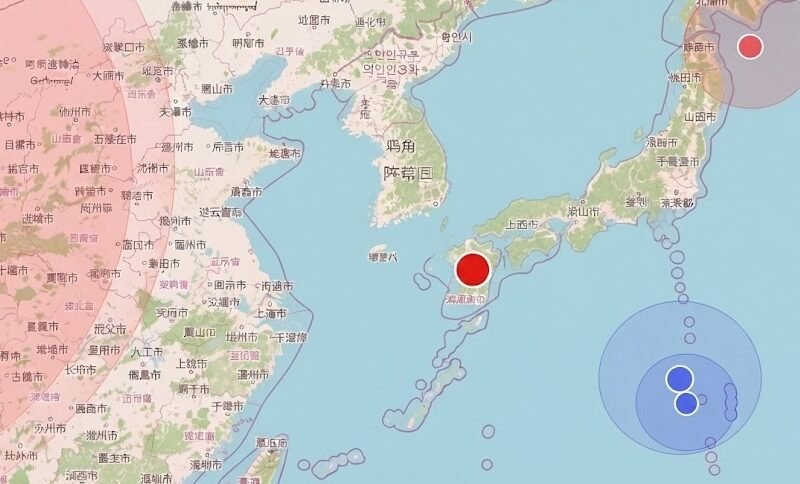
7.1 magnitude earthquake strikes Japan: Tsunami warning issued
A strong 7.1 magnitude earthquake has struck near Japan's Kyushu island.
📅 July 28, 2026, 12:20
Tsunami: Learn about the causes, impacts, and historical occurrences of these powerful ocean waves. This section covers their global reach and potential for devastation.
A strong 7.1 magnitude earthquake has struck near Japan's Kyushu island.

A 5.8 magnitude earthquake was recorded in Japan's Chiba Prefecture. Initial reports indicate no casualties or damage. A tsunami warning was issued…
A tsunami is a series of extremely long waves in a body of water, typically an ocean or large lake, caused by a large-scale disturbance usually associated with an earthquake beneath the seabed or a landslide into the sea. These waves can travel across entire oceans, with their destructive power often underestimated in deep water where their height is small. As they approach shallow coastal waters, tsunamis slow down but grow dramatically in height, creating towering walls of water that can inundate coastlines, causing widespread destruction and loss of life. Historically, regions bordering the Pacific Ocean, particularly the "Ring of Fire," are most susceptible to these natural disasters due to frequent seismic activity.
The impact of tsunamis extends beyond immediate destruction; they can alter landscapes, contaminate freshwater sources, and displace populations, leading to long-term humanitarian and economic challenges. While Israel and Azerbaijan are not traditionally considered high-risk areas for large-scale tsunamis due to their geographic locations and the nature of their surrounding bodies of water (Mediterranean Sea, Caspian Sea), the study of tsunamis remains a critical aspect of global disaster preparedness and scientific research. Understanding their mechanisms is vital for developing effective early warning systems and mitigation strategies worldwide.
In this section of jnews.az, readers can explore articles and reports on various aspects of tsunamis, including major historical events, scientific advancements in prediction, international cooperation in disaster response, and regional preparedness efforts. The coverage aims to provide factual information and insights into these formidable natural phenomena, offering a comprehensive understanding of their global significance and the ongoing efforts to protect vulnerable communities.