
VIDEO
Politics
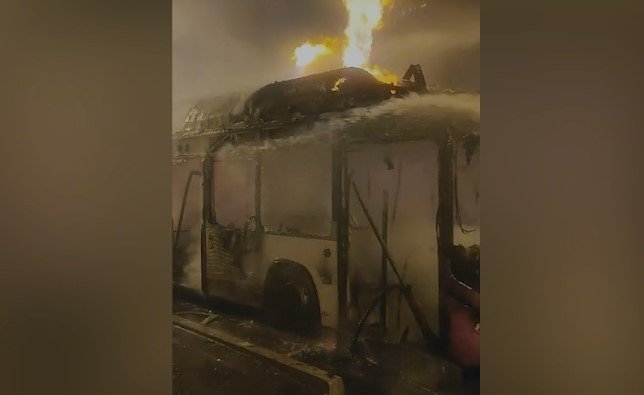
Passenger bus catches fire in Baku
A passenger bus caught fire on Shamsi Badalbeyli Street in Baku. Units of the Ministry of Emergency Situations promptly arrived at the…
📅 August 12, 2026, 22:53
Public transport covers various shared transportation systems for the general public. This section explores its role in urban development and its impact on daily life.
A passenger bus caught fire on Shamsi Badalbeyli Street in Baku. Units of the Ministry of Emergency Situations promptly arrived at the…
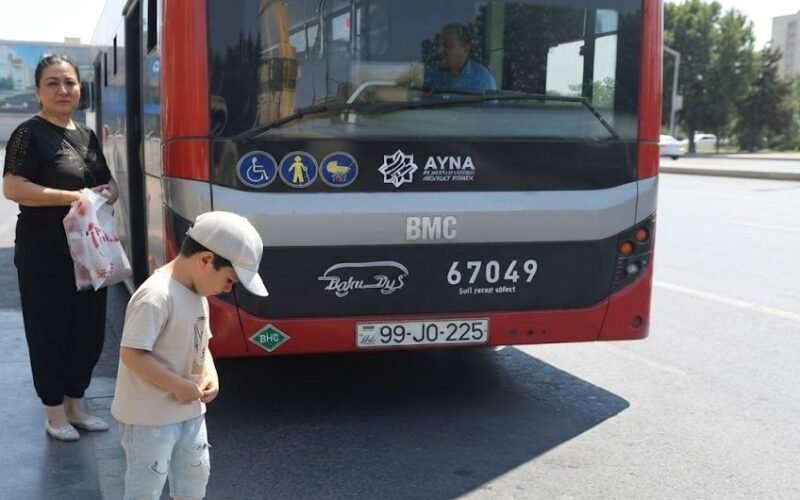
A dispute occurred between a driver and a passenger on bus route number 211 in Baku.
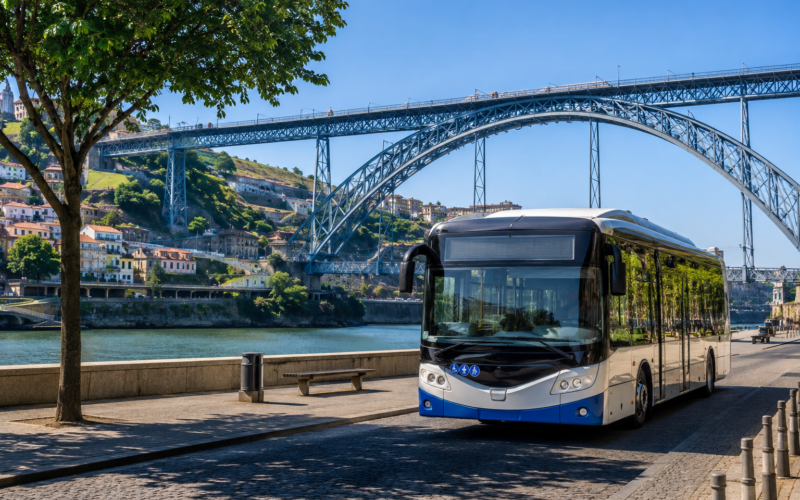
In the Portuguese city of Porto, residents now have access to free public transport. Under the new program, holders of the municipal…
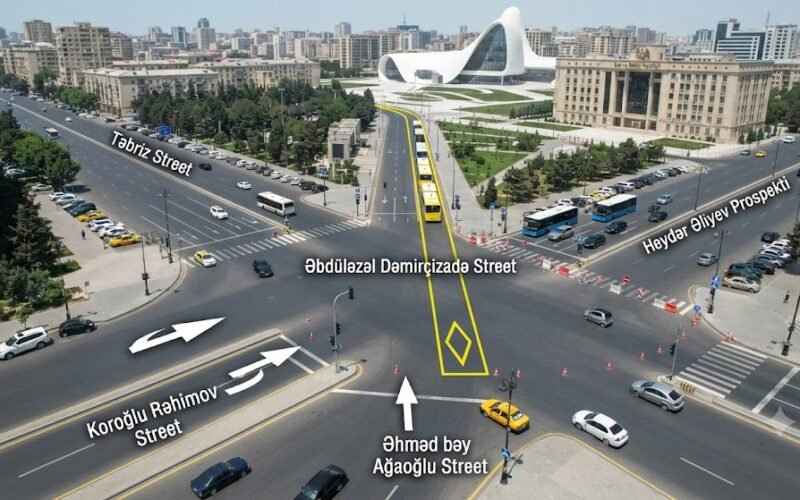
From July 16, significant changes to traffic flow will be implemented on Abdulaziz Demirchizade Street in the capital. The Azerbaijan Land Transport…
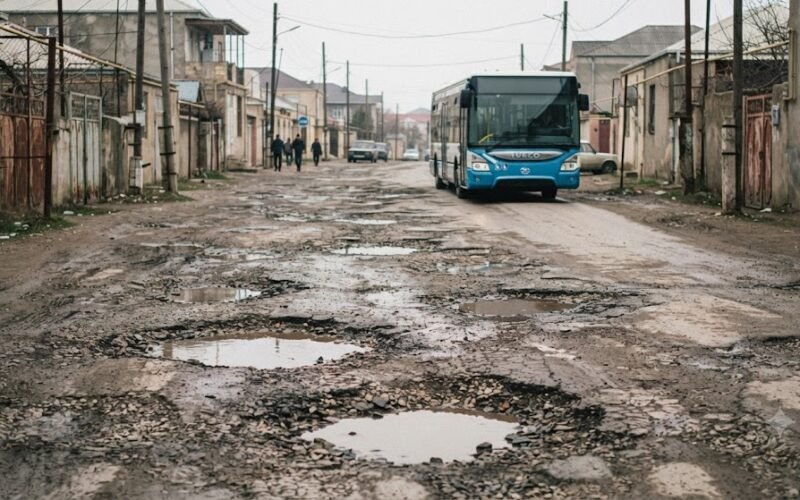
Hyrdalan, July 13 – New buses set to be deployed soon on route 135 connecting Hyrdalan to central Baku cannot access Baku…
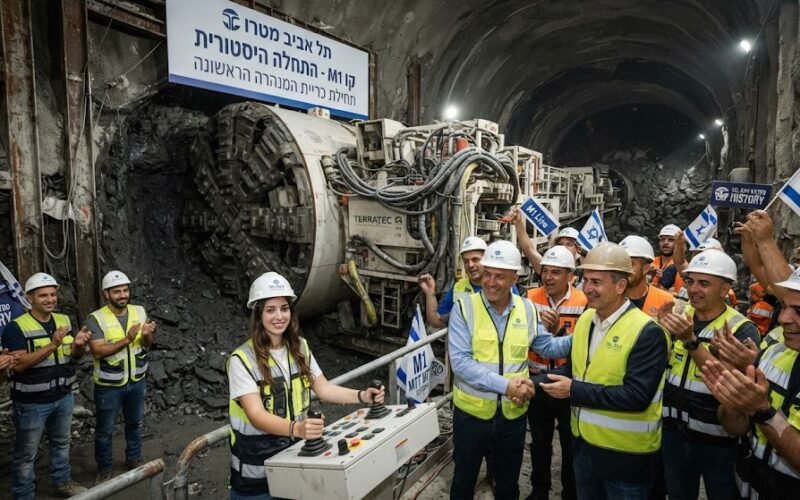
Major phase of Greater Tel Aviv metro construction launches. Next month, work will begin on excavating the first tunnel for the M2…
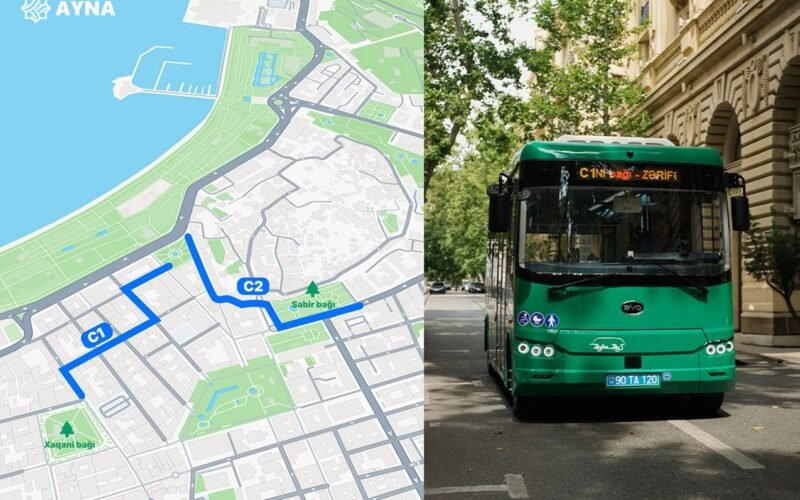
The Azerbaijan Land Transport Agency has launched two free minibus routes — C1 and C2 — in areas where traffic movement is…
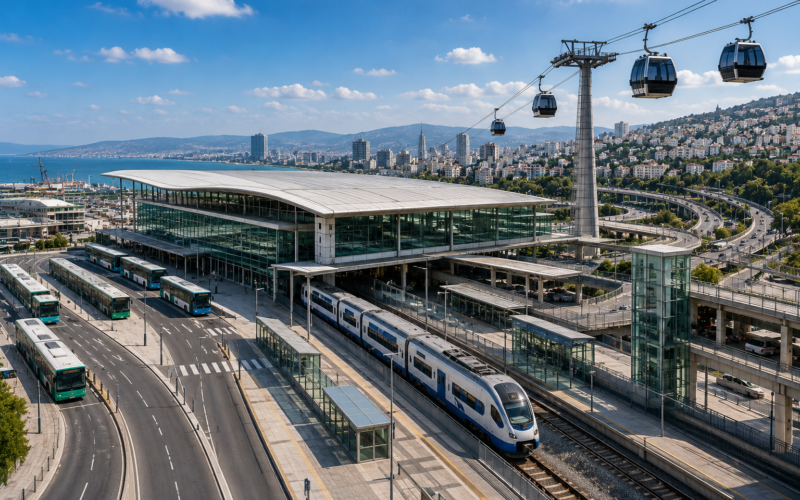
Israel's Ministry of Transport and Road Safety has launched a major project aimed at developing the transport infrastructure in the Haifa agglomeration.
Public transport encompasses a wide array of shared passenger transportation services available for general public use. This includes buses, trains, subways, trams, and ferries, among other modes. It plays a crucial role in the economic and social fabric of cities and regions by providing accessible mobility options, reducing traffic congestion, and minimizing environmental impact. Efficient public transport networks are essential for urban development, connecting residential areas with business districts, educational institutions, and recreational facilities.
For many, public transport is a daily necessity, offering an affordable and often faster alternative to private vehicles, especially in densely populated areas. Improvements in public transport infrastructure and technology are constantly being pursued globally to enhance user experience, safety, and operational efficiency. The integration of digital payment systems, real-time tracking, and interconnected routes further streamlines travel for commuters.
On jnews.az, the public transport tag provides insights into how these systems operate, their importance in various contexts, and any relevant news or developments that may impact the Jewish communities or Israel, particularly concerning international travel or regional infrastructure projects that facilitate movement and connection. Readers can find updates on urban planning, technological advancements in transit, and their broader societal implications.